
Updated on 30/06/26
This page is your starting point, linking out to practical, in-depth guides on the most common menopause symptoms on Silverlocks.
What is Menopause?
Menopause is the point when you’ve gone a full 12 months without a period and there’s no other reason for it, like pregnancy or major illness. It marks the end of your natural cycles and your ability to get pregnant naturally.
Around this time, your ovaries slow down how much oestrogen and progesterone they make. Those hormones are involved in many parts of your body, so when they start to drop, you can feel it in lots of different ways – from hot flushes to sleep problems and mood swings.
Perimenopause and Menopause are often used as if they all mean the same thing, but there is an important difference between perimenopause and menopause.
Perimenopause – the transition years leading up to menopause. Perimenopause can start in your early to mid-40s, and for some women it even shows up in their late 30s, especially if their mum or older sisters hit menopause early. You might still be getting regular periods on paper, but something just feels “off”. Your cycle can start to misbehave a bit: a period that turns up early or late, bleeding that’s suddenly much heavier or lighter than usual, random night sweats, mood swings that feel like PMS on steroids, or those lovely 3 a.m. wake-ups for no good reason.
Menopause – that one point in time: 12 months after your last period. What actually happens is that your periods get more and more irregular during perimenopause, then eventually stop… and only a year later can you look back and say, “Right, that was my final one.” From that point on, you’re technically “postmenopausal” – your ovaries have slowed right down, your oestrogen is much lower, and the hormone rollercoaster of the transition is meant to be easing off.
That doesn’t always mean every symptom magically disappears after the 12-month mark. Some women find symptoms ease within a couple of years, others notice them on and off for longer – there’s no one ‘right’ pattern. But you don’t have to just grit your teeth and get through it; there are options that can make this phase much easier.
Read more about the difference between perimenopause and menopause.
Popular Menopause Articles on Silverlocks
- Low libido during menopause – why it happens and what can help
- Fear of turning 50 – our bodies change with time, and that’s perfectly natural
- Menopause in the workplace – brain fog doesn’t magically clock off when you walk into work
When Can Menopause Start?
Menopause doesn’t have a precise start date. There is a “usual range”, but every woman’s timeline is a little different.
- For most women, menopause happens sometime between 45 and 55. A very common age is around 50–51. But the story usually starts earlier, quietly in the background.
There Are Also a Few Special Situations
- Early menopause – when menopause happens before age 45.
- Premature menopause – when it happens before 40.
- Surgical menopause – when your ovaries are removed (for example during a hysterectomy that includes the ovaries), which can trigger an instant menopause at any age.
Surgical menopause can feel very sudden and intense because your hormone levels drop quickly instead of drifting down slowly over years. Symptoms can be stronger at first, and support really matters.
First Signs And Common Symptoms
Menopause is not usually a tidy moment. It’s more like a long, messy in-between season. The first signs are easy to brush off as stress, work, kids, ageing parents, or just “getting older”.
Here are some of the very common things women notice.
1. Period changes
One of the biggest early clues is that your periods start to behave differently.
- They might come closer together or much further apart.
- Flow can be heavier than you’ve ever known, or strangely light.
- You might skip a month, then suddenly have two periods very close together.
If your bleeding is extremely heavy, you’re soaking through pads or tampons in a short time, or you feel dizzy or weak, that’s not something to ignore or just label “menopause”. That’s a “get checked properly” situation.
2. Hot flushes and night sweats
Hot flushes (or hot flashes) are the stereotype for a reason.
- You might suddenly feel a wave of heat rising through your chest, neck and face. Your skin can go red, you start sweating, and then maybe feel chilled afterwards. A flush can last seconds or a few minutes, but it can leave you feeling drained.
- Night sweats are simply hot flushes that happen when you’re asleep. They can soak your pyjamas and sheets and completely disturb your sleep, which then affects everything else.
Read more about sleep solutions to ease hot flushes and insomnia.
3. Sleep problems
Even women who have slept like a rock their whole lives can suddenly find sleep turning on them.
- You might notice waking up several times a night, struggling to fall asleep, or waking very early and lying there for hours. The classic 3 a.m. “mind won’t switch off” moment is very common.
- Sometimes this is thanks to night sweats. Sometimes it’s just your nervous system feeling a bit more wired during this hormone shift. If night sweats and restless nights are wearing you down, you might find more ideas in the guide to menopause sleep solutions that ease hot flushes.
Read more about sleep problems and how melatonin can help.
4. Mood changes and anxiety
Hormone changes can stir up your mood in really unhelpful ways.
- You may feel more snappy or short-tempered than usual, tearful for no obvious reason, or anxious in ways that feel new – for example, worrying more about social situations, driving, work meetings or travelling alone.
- Many women say, “I just don’t feel like myself anymore.” If you’ve lived with depression or anxiety before, this phase can make things heavier, which is exactly when support and proper treatment really matter.
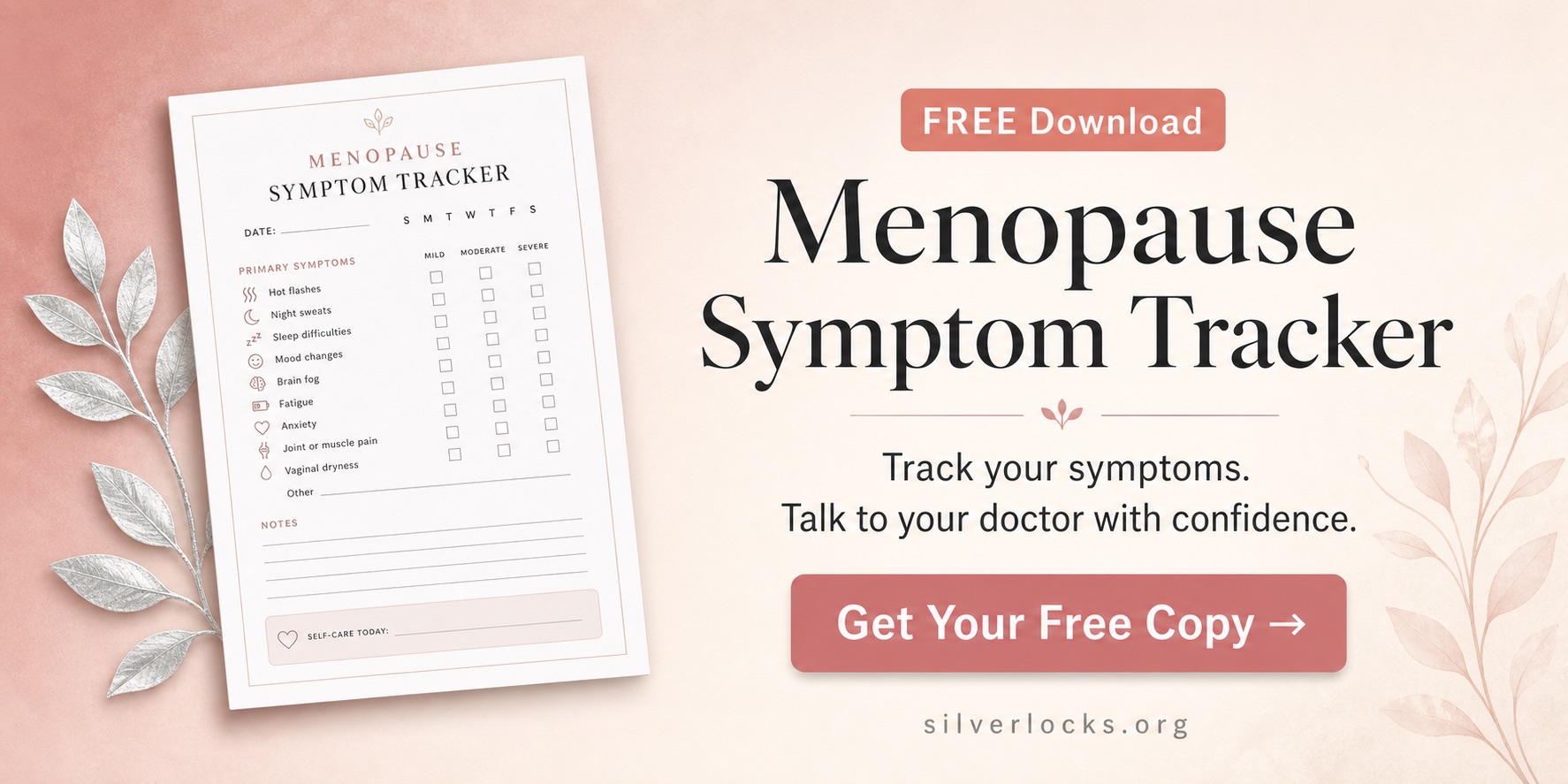
Read more about anxiety during menopause.
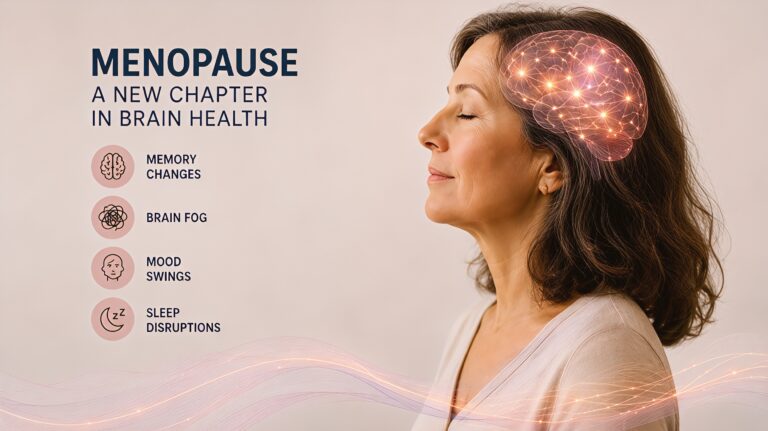
5. Brain fog and concentration
Brain fog during perimenopause and menopause is very common, but can be frightening if no one has told you it’s a thing.
- You might struggle to find simple words, forget what you were about to say mid-sentence, walk into a room and have no idea why, or find it much harder to focus on tasks, reading, or work that used to feel easy.
- Often it’s a mix of hormone changes, poor sleep, and general life stress. It does not mean you’re “going senile” or losing yourself, even if it feels unsettling.
6. Body changes: weight, joints, skin, hair
Menopause and midlife often come with a set of slow, background changes.
- You might notice weight creeping onto your waist and belly, joints feeling more stiff or achy, skin feeling drier, and hair thinning on your head while appearing in new places you didn’t ask for.
- This is a blend of hormones, age and lifestyle – not some personal failure. Many women find small, sustainable changes in movement, food, stress and sleep help, but it’s also okay just to know this is a shared experience, not something you’re going through alone.
Read more about weight gain during menopause.
Read more about belly fat and gut health.
7. Vaginal Dryness
As oestrogen drops, the tissues in and around the vagina and bladder can change.
- You might notice vaginal dryness, itching or burning, pain or soreness during or after sex, needing to pee more often or feeling a sudden, urgent need to go, and more urinary infections than you used to get.
- These are incredibly common, but many women feel too shy to mention them, even to a doctor. The good news is: there are many treatments and options, and you absolutely don’t have to “just live with it”.
Read more about vaginal dryness during menopause.
How Hormones And Brain Fog Affect Your Energy In Perimenopause
This article looks at how hormones and brain fog can affect your energy and focus during perimenopause and menopause, both in daily life and in the workplace. It explains why concentration, memory and productivity can change in midlife, how symptoms like poor sleep, fatigue and mood shifts contribute, and which simple, realistic strategies may help you cope. It also explores how these changes can affect you at work, with practical tips for managing busy days, planning tasks around your energy levels and, if you wish, asking for support at work.
Read more about how hormones and brain fog affect your energy in perimenopause and menopause
Can You Get Pregnant During Perimenopause?
Yes, you can — and that is exactly why this stage of life can catch women off guard. Periods may become irregular, ovulation may happen less often, and fertility does decline, but it does not drop to zero until menopause is reached. That means it is still possible to conceive naturally during perimenopause, even if your cycle has become unpredictable and even if you feel “too old” for pregnancy.
Read more about Can you get pregnant during perimenopause
Muscle Loss During Menopause
Have you noticed that your arms feel a little less toned, your legs tire more quickly, or that getting up off the sofa takes just a bit more effort than it used to? Muscle loss during menopause is one of the most common, and most undertalked, changes that happen during the hormonal transition that affects every woman. The good news? Once you understand why it’s happening, you’re in a much better position to do something about it.
Read more about Muscle Loss During Menopause
Changes In Libido
Libido in midlife can be a bit of a rollercoaster.
- For some women, desire drops – because of hormones, tiredness, pain, stress or relationship issues. For others, it actually rises, especially once pregnancy is off the table and there’s more sense of freedom.
- There is no “right way” to feel. What matters is keeping the conversation open – with yourself, and, if you have one, with your partner – and getting help if pain, dryness or low mood are getting in the way.
Read more about Low Libido During Menopause.
Painful Sex After Menopause
Painful sex after menopause is much more common than most of us were ever told, and it’s usually not “in your head”. As oestrogen levels fall, vaginal tissues can become thinner, drier and less stretchy, which often leads to burning, soreness and a “sandpaper” feeling during or after sex. On top of that, sleep problems, stress, body image changes and relationship worries can all make intimacy feel more complicated. If sex has become painful, it’s a sign your body needs support, not that there is something wrong with you. Simple steps like using vaginal moisturisers and lubricants, considering local oestrogen, adjusting positions and pace, and talking openly with your partner or GP can make a big difference – you do not have to just put up with it.
Read more about Painful Sex After Menopause
The Truth About Sex After Menopause
Sex after menopause often changes, but it does not have to disappear or become less important. Falling levels of oestrogen can lead to less lubrication, more sensitive vaginal tissue and a slower build‑up of arousal, which helps explain why many women notice discomfort or reduced desire at this stage of life. At the same time, libido is also affected by tiredness, stress, long‑term health conditions, medicines, pain and the mental load of everyday responsibilities, so it is not “just hormones”.
Read more about Sex After Menopause
Menopause In The Workplace
Menopause doesn’t press pause just because we’re at work. A menopause in the workplace guide is all about helping you feel understood and supported on the job, and giving employers simple, practical ideas to make that happen – from flexible hours and more breaks to better temperature control and open, stigma‑free conversations. It encourages a kinder, more informed work culture so women in midlife can stay well, feel confident, and continue doing the work they love.
Read more about Menopause in the Workplace
Menopause and ADHD
If you already have ADHD, menopause can feel like someone turned up the volume on every symptom. Surveys and emerging research suggest that women with ADHD often experience a significant worsening of symptoms during perimenopause and menopause, especially around inattention, memory problems and emotional regulation.
Read more about Menopause and ADHD.
Menopause and Insulin Resistance
Insulin is a hormone made by your pancreas that acts like a key. When you eat, food is broken down into sugar (glucose), which travels in your blood. Insulin “knocks” on your cells and tells them, “Open up, let the sugar in so we can use it for energy.” When everything works well, your body makes a small amount of insulin, the doors open, sugar goes in, and your blood sugar stays in a healthy range.
Menopause doesn’t “create” insulin resistance out of nowhere, but it certainly doesn’t help. Falling oestrogen changes where we store fat and how our bodies handle sugar and insulin.
Read more about Menopause and Insulin Resistance.
Ozempic and Menopause Weight Gain
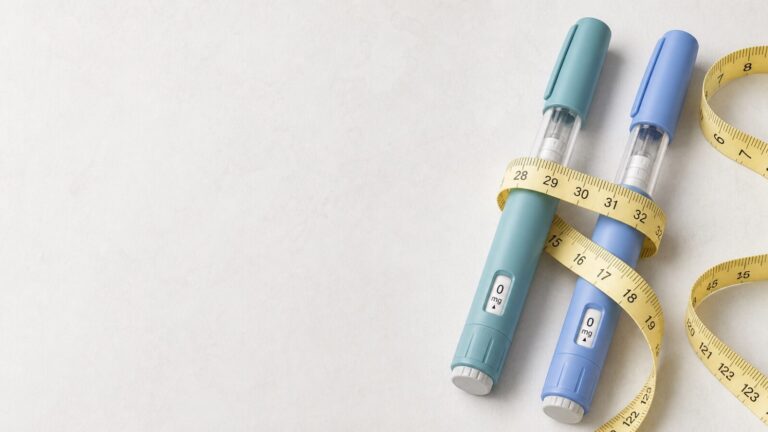
The drop in oestrogen during perimenopause and menopause directly worsens insulin resistance — making weight gain almost inevitable for many women, no matter how well they eat or how much they exercise. A new generation of weekly weight-loss injections, including Ozempic, Wegovy and Mounjaro, works by mimicking natural gut hormones that regulate blood sugar, appetite and fat storage. Research shows that women combining these medications with HRT may lose significantly more weight than with either treatment alone.
Read more about Ozempic for Menopause Weight Gain
HRT and Dementia Risk: What New Research Really Says
HRT and dementia have been such a confusing topic for so long that this new research actually feels like a relief. In simple terms, a huge review has just found no evidence that menopause hormone therapy (HRT) either increases or decreases the risk of dementia in postmenopausal women.
Read more about HRT and Dementia Risk.
How To Prevent Osteoporosis After Menopause
One of the less talked about but most important changes that happens after menopause is the effect on bone density. When oestrogen levels drop, bones can start to lose their strength more quickly than before — and because this happens silently, without any obvious symptoms, many women do not realise it is happening until they have a fracture. The good news is that there is a lot you can do to protect your bones, from eating calcium-rich foods and getting enough vitamin D, to staying active with regular walking and strength training.
Read more about how to prevent osteoporosis after menopause.
When To Talk To a Doctor
Menopause itself is a normal life stage. But normal does not mean you should suffer.
- It’s a good idea to get proper medical advice if your periods change suddenly and dramatically, bleeding is very heavy or you have bleeding after sex, you notice any bleeding after menopause, or symptoms like hot flushes, sleep problems, mood shifts, pain or brain fog are making daily life hard to manage.
- Seek help urgently if you feel very low or hopeless, have thoughts about harming yourself, or have chest pain, trouble breathing, strong or sudden headaches, or any new symptom that feels “wrong” in your gut.
Disclaimer: The content on Silverlocks is for general information and support only. It is not medical advice and is not a substitute for seeing your own doctor. Always talk to a healthcare professional about your symptoms, treatment options, and any questions about HRT, medicines, or supplements.
International Organisations
- World Health Organization – Menopause fact sheet
Clinics and Organisations in the US
- Mayo Clinic – Menopause: Symptoms and causes
- Mayo Clinic – Perimenopause: Symptoms and causes
- Cleveland Clinic – Menopause: What It Is, Age, Stages, Signs & Side Effects
- Office on Women’s Health – Menopause
- The Menopause Society (USA) – Patient education and Menopause Guidebook
- NIH / PubMed Central – Research on menopause education and women’s midlife health
- NIH / NCBI Bookshelf – Menopause overview (StatPearls)
Clinics and Organisations in Europe
- European Society of Endocrinology & Endocrine Society – Clinical guideline on menopause and perimenopause
Clinics and Organisations in the UK
- British Menopause Society – “What is the menopause?” leaflet (PDF)
- Women’s Health Concern – Menopause factsheet (PDF)
- NICE – Menopause: identification and management (NG23)
- British Menopause Society & Women’s Health Concern – Menopause information and factsheets
- Royal College of Obstetricians and Gynaecologists – Menopause: diagnosis and management (patient information)
- NHS / UK Government – Menopause and midlife women’s health checks
This menopause guide is a living page, and new articles and updates are added regularly, so you can return to it whenever you need fresh information or support.



I loved the article!
How important is it to start speaking out about this! I think our generation will be the first to treat perimenopause and menopause as normal stages of a woman’s life. Congratulations (and thank you) for taking the initiative.