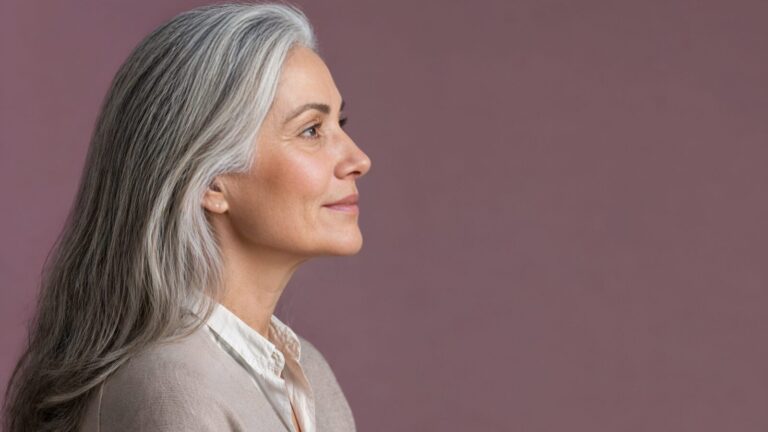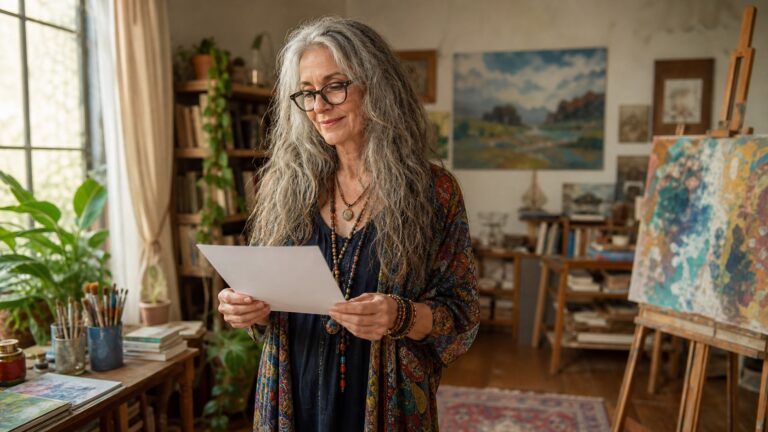

Turning 50—“the big 5-0”—sounds dramatic, doesn’t it? There’s so much talk about midlife changes and even a quiet fear of turning 50 that can make us feel a bit nervous or out of place. “Midlife crisis” is practically a cliché by now! But you’re not alone—most women feel a jumble of emotions in this new chapter. Some days it’s excitement, others a little sadness or worry, and sometimes, you get both at once.
And if all of this comes with questions about hot flushes, brain fog or mood swings, check the Menopause Guide to start understanding what’s really going on in your body.
Fear of turning 50: why do some women get so nervous?
Our bodies change with time, and that’s perfectly natural. Wrinkles, gray hair, maybe a few extra kilos are all part of the package, and on paper we know this is normal. Still, those changes can catch us off guard emotionally, especially when they show up faster than we expected.
It’s so easy to compare ourselves to glossy magazine covers, perfectly filtered Instagram feeds, or even our own photos from ten or twenty years ago. That quiet fear of turning 50 often isn’t really about the number itself, but about what we think it says about our value, visibility, and place in the world.
hen society keeps glorifying youth, it’s no wonder many women start questioning whether they’re still attractive, interesting, or “allowed” to take up space as they age.
Fear of turning 50: identity changes
Some of us are watching kids fly the nest, while others might be caring for aging parents or starting over in work or relationships. When life changes around us, it’s normal to ask, “Who am I now?” Every woman’s version of turning 50 looks different—new beginnings, small endings, a bit of both sometimes.
Fear of turning 50: work, and the “what now?” question
Work brings its own set of worries. Maybe you wonder, “Do I still matter here? Am I keeping up?” It’s common in midlife to experience doubt—even for women with long, successful careers. Changes in the workplace, new technology, or even just seeing a new generation arrive can make us question our place.
Fear of turning 50: regrets and nigh-time worries
We all have “what if?” moments, especially late at night. Maybe an old dream crosses your mind or you remember a decision from years ago and wonder: Did I make the right choice? Have I done enough? Am I where I thought I’d be by now?
As 50 approaches, these questions can feel louder, as if there’s suddenly a timer on all the things you still want to do. Sometimes, it’s not really about regret, but about reflection and taking stock of your life so far.
We look back not to criticise, but to learn, to notice how much we’ve actually lived through, and to decide what we want the next chapter to look like. That quiet review of our past can be uncomfortable, but it can also become a powerful motivator to make more intentional, satisfying choices going forward.
Fear of turning 50 and the future
Retirement, health, and what tomorrow brings can cause a mix of anxiety and excitement. The future feels wide open, but sometimes a little scary. If you ever feel alone with those thoughts—please know you’re not. So many women share these questions.


How to feel good about turning 50 (and beyond!)
There’s no single right way to face turning 50. There’s no award for breezing through menopause, and nobody wins a prize for never feeling lost.
Here are things real women say make the journey easier:
1. Accept aging
Aging is universal—none of us can skip it. Rather than fight every little change, try to celebrate what makes you wiser and more yourself. Our stories, our humor, even our quirks—those are our strengths.
- Look at your hands or face and say, “Thank you for carrying me this far.” Not everyone has the chance.
- Write a gratitude letter to yourself: what do you admire about the woman you’ve become?
2. Lean on friends
Conversations—especially honest ones about menopause, family, hopes, and worries—are deeply healing. The more we talk, the less “taboo” midlife feels. Whether it’s in-person, on WhatsApp, or a heartfelt letter, reach out if you’re lonely. Small connections matter.
- Have regular coffee dates, even virtual ones
- Share funny memories or ask for advice—you’ll find support
3. Move your body
Midlife movement is about feeling vibrant. Find activities that bring energy, not pressure—walks, swimming, yoga, cycling, or even just dancing while you make dinner. Remember, movement is medicine for mind and body.
- Try a new sport or hobby you’ve never tried before
- Join a class or online community
4. Try new things
Paint, learn to cook a new dish, pick up a language app, or start a puzzle—you’re never “too old” for curiosity. Discoveries as an adult feel extra special.
- Sign up for a cooking or art class—promise, it’s fun even if you get messy
- Write a list of things that’ve always sparked your curiosity, no matter how small
5. Ask for help
When life or emotions feel heavy, reaching out for help is a sign of self-respect. Therapists or trusted friends are wonderful resources.
- Try journaling as a gentle first step
- Ask your doctor about menopause support, sleep, mood, or energy
Real stories from real women
Many women have shared that midlife brings new interests and freedom. Some finally get time to volunteer, travel, or pick up projects paused for family or work. Others face more challenges—health shifts, caring for parents, or adjusting to an empty nest. Some move through menopause without much trouble; others face sleepless nights and mood swings.
One friend once told me, “Midlife is a little like changing seasons—you never know what the weather will be like, but you dress for it and go outside anyway!” I love that thought.
Making peace with menopause
For some women, menopause is just “meh”—a few hot flashes, some irregular periods, and then it’s done. For others, it feels more like an unpredictable rollercoaster, with mood swings, sleep issues, brain fog, and a body that suddenly doesn’t behave like it used to. Either way, you’re not alone in feeling confused, frustrated, or even blindsided by symptoms no one really warned you about.
Making peace with menopause often starts with understanding what’s happening in your body, knowing what’s normal, and learning which options you have for support and relief. If you need answers, talk to a doctor you trust, and don’t hesitate to seek a second opinion if you feel dismissed.
You can also join community groups focused on menopause support where women share real experiences that make you feel seen instead of “crazy.” No question is silly, especially when it comes to your health and comfort.
Embracing midlife
Midlife is often a time for reclaiming old dreams or starting new ones. Maybe you want to travel, or even start a small business. Some women use this phase as a time to mentor others or volunteer. All are wonderful ways to add meaning and energy to this new chapter.
Mentor someone in your field or community. Write down your “someday” dreams and pick one to work toward, just for yourself.
Wellness after 50
Taking care of your mind and body can feel different now, but it matters more than ever. Prioritise rest, nutritious food, and time in nature. Make appointments for checkups, and don’t be afraid to ask for what you need. Sleep, hydration, laughter, and creative time are all part of true wellbeing—not just gym routines and salads.
Your new chapter: Tips and reflections
- Welcome every feeling, even the uncomfortable ones—they tell you what matters in your life.
- Remember that NO stage of life lasts forever; the tough days pass and so do the clouds.
- Find little daily joys: good tea, a favorite show, a walk outdoors, trying something new.
- Celebrate yourself: you are not just “a woman over 50,” you are wise, funny, strong, and ready for new adventures.
My experience
Fear of turning 50 has never crossed my mind – in fact, I was genuinely excited about it. I’d been planning a “big do” for ages, had the perfect 80s playlist ready, and invited friends from all over the world to come and celebrate. My birthday is in August, so in my mind it was simple: summer time = party!
Everything was looking amazing… until Covid hit and all my plans sank. Travel became complicated, people had to be careful, and many friends understandably felt too worried to come. In the end, I had a much smaller gathering—but it turned into a very special party to mark a truly important milestone.
When you think about the fact that, just a few centuries ago, many people didn’t even live to see 50, reaching this age feels even more precious to me. So now, I suppose it’s time to start planning my 60th in a couple of years. Bring it on!
Share your story
What has surprised you about turning 50? How have you taken care of yourself—body and mind? Have you faced struggles or celebrated wins you never expected? Your advice may help another woman.
Is the fear of turning 50 on your mind? Drop your thoughts or funny stories in the comments below! Let’s turn “the big 5-0” into a conversation full of honesty and laughter.
Disclaimer: This article is for general information and support only and is not a substitute for professional medical or mental health advice.
References
- National Library of Medicine – The challenges of midlife women
- National Library of Medicine – Ageism and psychological well-being among older adults