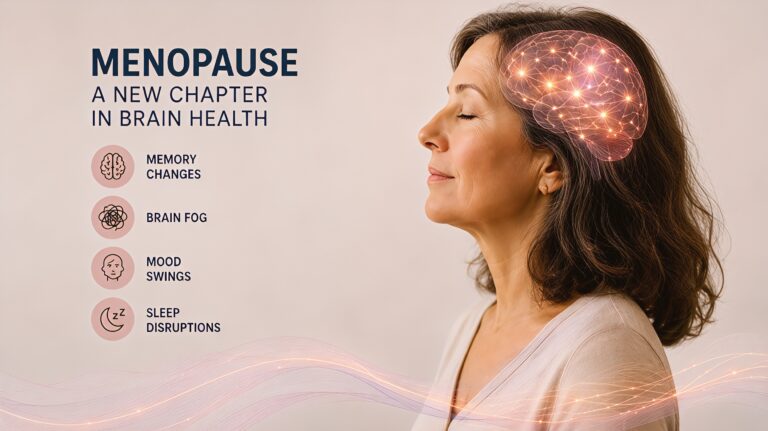
Whether you’re reading with your morning coffee or your evening tea, I’m so glad you’re here. The topic today is menopause belly fat and gut health.
If you’re over 50 and sometimes wonder why that extra weight won’t shift—no matter how hard you try—you’re not alone! I used to think my menopause weight gain was all about hormones and my age, but there’s another piece of the puzzle that nobody talks about enough: gut health.
In this article, I’m sharing what I’ve learned about how your gut influences your weight, mood, and much more during menopause.
Menopause belly fat and your gut health
For years, we blamed menopause belly fat and weight gain on falling oestrogen, slower metabolism, and maybe a few too many comfort foods. But researchers now say menopause changes the gut in ways that can lead to stubborn weight, bloating, and even a crankier mood. As explained in Menopause: The Complete Guide for Women Over 45, these gut and weight changes are just some of the many ways menopause impacts your body.
- As hormones drop, the community of helpful bacteria in your gut—called the gut microbiome—changes. These microbes help with digestion, regulate inflammation, control hunger hormones, and even help keep your metabolism humming.
- When oestrogen levels drop during menopause, the numbers of beneficial bacteria like Lactobacillus and Bifidobacteria can significantly decline, according to clinical studies. This decline affects your gut and vaginal health, making mature women more likely to experience digestive problems, bloating, and even increased inflammation. These “good bugs” help with digestion, immunity, and keeping harmful bacteria in check, so their reduction is an important—but often overlooked—reason why gut health can change so much after menopause.
Many women in one big study said their digestion changed during perimenopause and menopause—invisible proof that it’s NOT just you.
Bloating, constipation and food intolerance
- Bloating: Feels like your belly is a balloon by afternoon, even if your jeans fit in the morning.
- Constipation and Slow Digestion: Suddenly, your “regular” is not so regular anymore.
- Gas and Food Intolerance: Veggies, beans, lentils—sometimes healthy foods can make you feel awful.
- Heartburn and Acid Reflux: Many women notice it during menopause.
These are all connected to shifts in gut bacteria and hormone levels. It’s common—and you’re not imagining it.
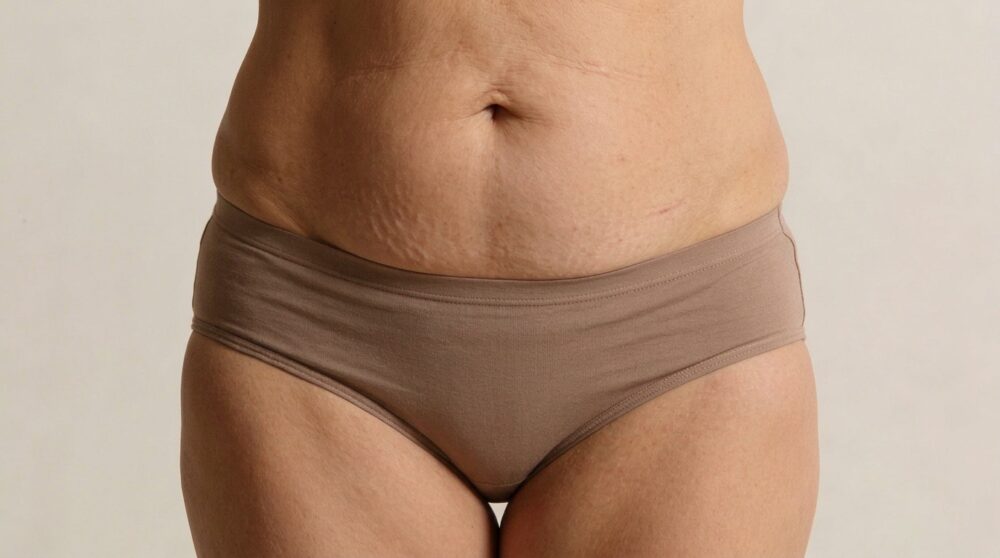
My digestion has really changed for the worse since menopause started. I’ve always had lots of food intolerances thanks to the Hypermobility messing with my gut, but lately, there seem to be even more. I feel unwell after eating all kinds of different foods—and don’t even get me started on the size of my belly! The big “M” is seriously messing with us!
Happy gut, happy life
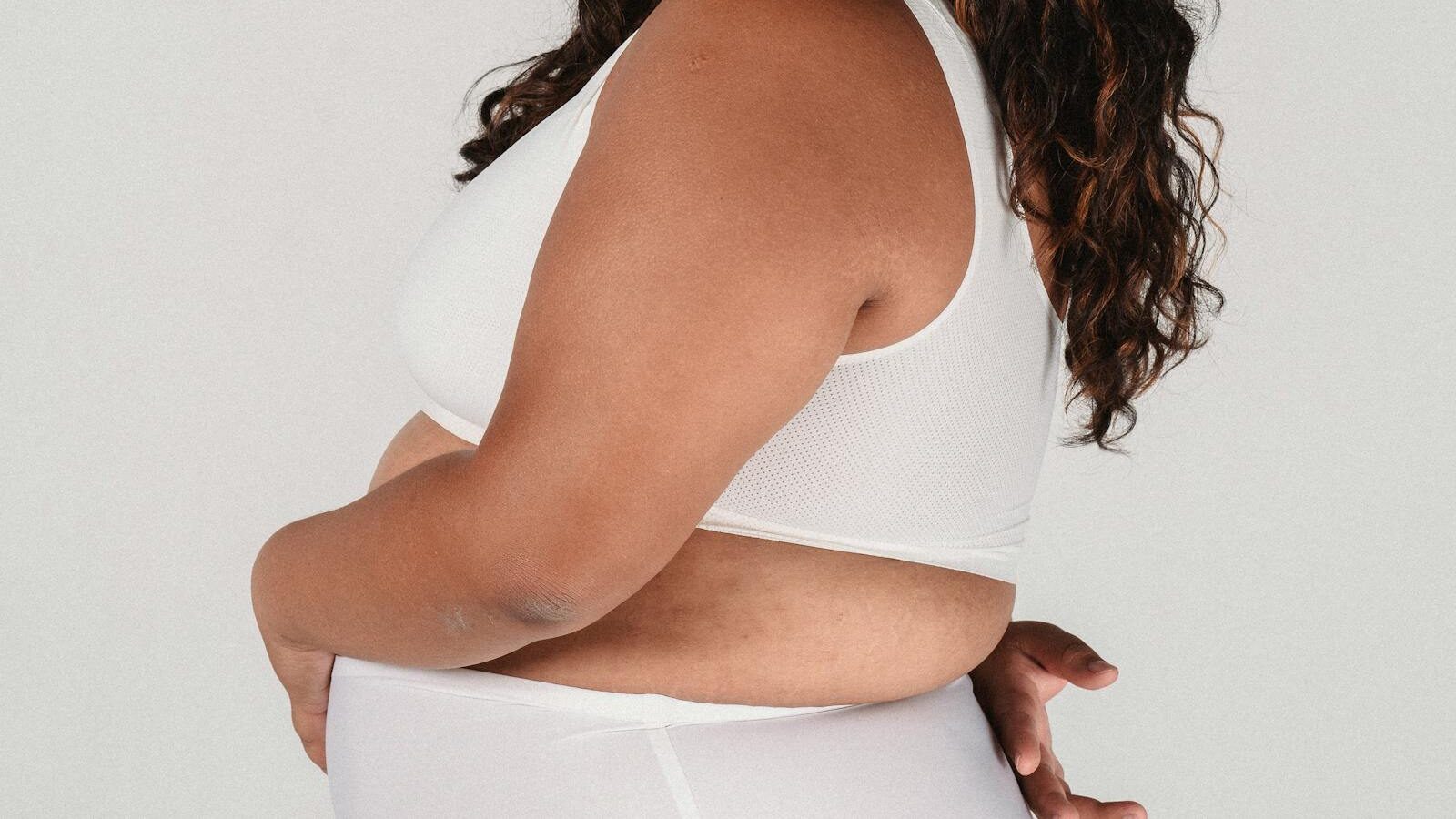
Have you noticed that fat seems to settle around your stomach, no matter what you do? It’s not just hormones—it can be your gut too.
- The gut microbiome helps process food, absorb nutrients, and keeps inflammation down. When it loses diversity (especially after menopause), metabolism slows even more.
- Some gut bugs help you burn fat; others may make you more likely to store it. If your microbiome is out of balance, you may feel hungrier, crave carbs, and store fat around your belly.
Scientists now say improving your gut health may help fight menopause-related weight gain—and even make you feel more energetic, less bloated, and in a better mood. That’s some good news!
When your gut and hormones chat
Did you know your gut microbes actually help control oestrogen levels by breaking down old hormones and sometimes even recycling them back into your body? When menopause lowers oestrogen, your gut bugs change—sometimes making symptoms worse.
- Good gut health means smoother hormone metabolism, which can help with hot flashes, mood swings, and even sex drive.
- The “estrobolome” is the collection of bacteria in your gut that manage oestrogen. After menopause, changes in the estrobolome can increase belly fat, inflammation, and risk of metabolic syndrome.
Your diet, lifestyle and gut are all connected
What can you do to make your gut—and your weight—happier during and after menopause? Here are simple, science-backed steps:
1. Prioritise fiber
- High-fiber foods like whole grains, lentils, beans, and veggies feed your good gut bacteria and support digestion.
- Start slow if fiber makes you bloated. Build up gradually to avoid discomfort.
2. Fermented foods for friendly bacteria
- Yogurt, kefir (even non-dairy), sauerkraut, kimchi, and fermented vegetables introduce healthy microbes to your gut.
- These can help restore balance and support regular digestion.
3. Avoid processed foods and sugar
- Processed foods and too much sugar can fuel problem bacteria and worsen inflammation.
- Focus on whole-food meals most of the time.
4. Hydrate
- Aim for 1.5 to 2 litres of water daily. Herbal teas count, too!
5. Manage stress
- Stress and poor sleep can upset your gut—try gentle movement, puzzles, walks, or talking with friends to keep stress at bay.
6. Move your body
- Exercise isn’t just for burning calories—it helps keep your gut moving (literally!). Gentle activities like walking, swimming, yoga, or dancing all count.
7. Magnesium, calcium, and B-vitamins
- These nutrients are crucial for nerve, gut, and bone health. If you’re low, ask your doctor about testing or supplements.
8. Probiotics or HRT
- Some women find that specific probiotics, or hormone therapy, can help with symptoms—discuss options and risks with your doctor.
What worked for me
- If raw veggies suddenly started making you feel bloated, try cooked vegetables instead for easier digestion. I’ve realised I was eating way too many tomatoes and, for me, they’re becoming a bit of a no‑no now – even though I never had a problem before.
- I also don’t eat any leftovers. I realised that if the food is not fresh and has been reheated makes me bloated and unwell. Keep an eye if the same is happening to you.
- Keep a “food and symptom diary” for a week—you’ll spot patterns between what you eat and how you feel.
You are not alone
The big “M” changes your body in ways that most people never talk about—including your gut. If you’re carrying extra weight, constantly bloated, or tired of blaming yourself, please know it isn’t your fault. Shifts in hormones and gut health are part of the journey for mature women.
Focus on small steps: eat more fiber, add fermented foods, move every day, and take time for self-care. Listen to your body. And if symptoms don’t improve or you feel worried, speak with a doctor who understands menopause and gut health.
Have you noticed changes in your digestion or gut health since the big “M” started? Share your symptoms, tips, or questions in the comments below—your experience might help another Silverlocks reader feel understood and supported.
Disclaimer: This article is for general information and support only. It does not replace personalised advice, diagnosis or treatment from your GP, gastroenterologist, menopause specialist or any other qualified health professional. Never ignore or delay seeking medical advice because of something you have read on Silverlocks.
References
- National Library – Gut microbiome in menopause
- National Library – Health disorders in menopausal women: microbiome alterations and possible treatments
- Frontiers – Gut microbiota has the potential to improve health of menopausal women by regulating estrogen
- Sage Journal – The gut microbiota in menopause: is there a role for prebiotic and probiotic solutions?
- Paloma Health – Estrobolome: how your gut influences menopause and your thyroid