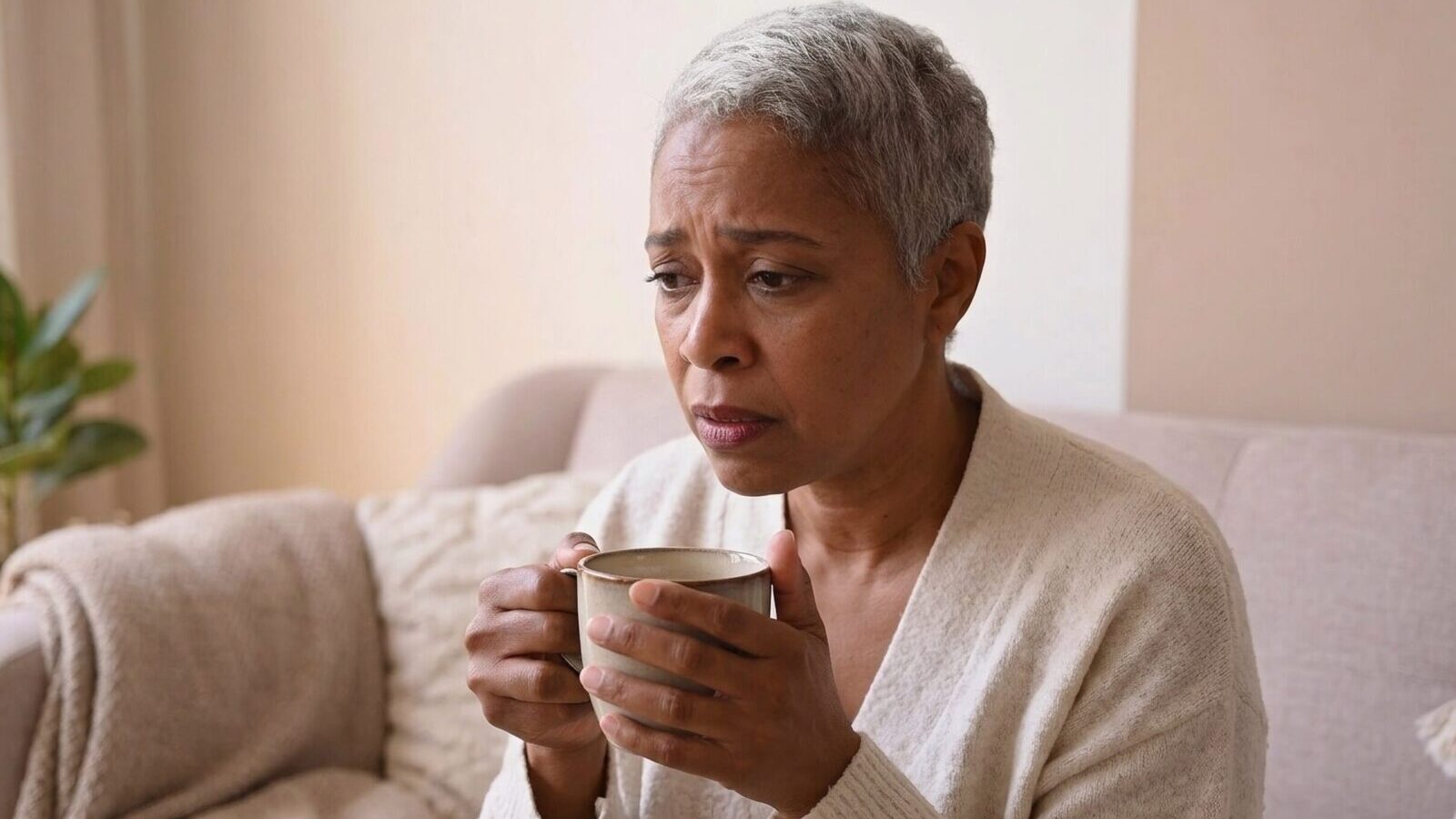
Menopause is a natural transition in our lives, not only a physical transformation, and it can bring a whirlwind of emotions—mood swings, “not feeling like myself,” and even moments of sadness that feel overwhelming. If you’ve ever wondered, “Does menopause cause anxiety?”, you’re definitely not alone. Many women find that their mental health takes a hit during perimenopause and menopause, but there are natural ways to find calm and joy again. If you are experiencing this, here’s what I’ve learned, tried, and found helpful.
Read about more symptoms in the Menopause Guide.
Does menopause cause anxiety? Your mind matters
While menopause marks the end of reproductive years, it’s just as much a beginning—a new phase. But the drop in oestrogen and progesterone can cause profound changes in brain chemistry, particularly in serotonin and dopamine, which influence mood, sleeping habits, and emotional resilience.
Women are often expected to “keep calm and carry on,” but struggling with low mood, foggy thinking, or sudden anxiety is no reflection on your strength. In fact, the stress of juggling family, work, and aging often reaches a peak during this midlife moment, so it’s little wonder that even the most focused woman can feel out of sorts.
Does menopause cause anxiety? It can be more than “just” mood swings
Here are some ways menopause can affect mental health, based on both expert findings and what women across the world have shared:
- Unpredictable mood swings—one minute calm, the next on edge or tearful.
- Racing thoughts or panic.
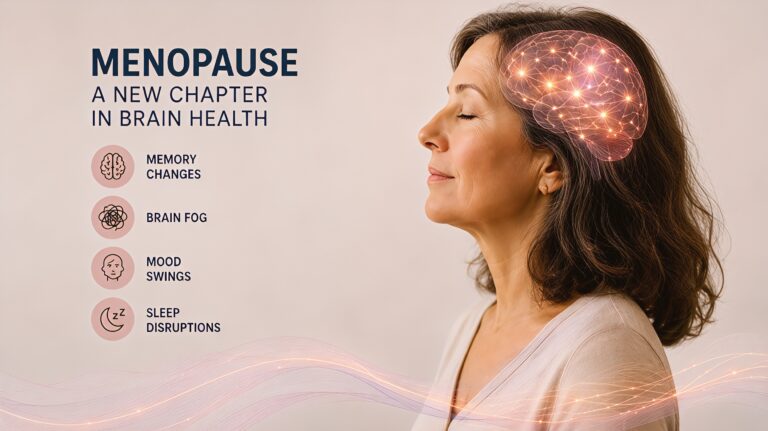
- Brain fog (misplacing keys, struggling to find words).
- Difficulty falling or staying asleep, vivid dreams, or early waking.
- Fatigue or loss of motivation and pleasure in daily activities.
- Loss of confidence or changes in self-image.
These symptoms are not “all in your head”—they’re rooted in real hormonal and neurological changes, often made worse by lifestyle demands and social pressures.
Natural ways to calm menopause anxiety
Here are practical steps to help you find more peace of mind during this phase.
1. Move your body regularly
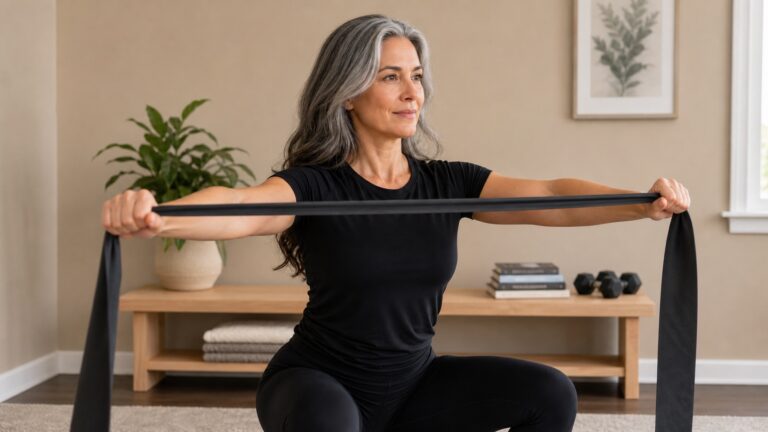
Exercise is not about perfection or intensity; it’s about shifting energy and boosting those vital endorphins. Swim, dance, or simply walk in your local park or neighbourhood and you’ll notice a gradual lessening of tension and a gentle lift in mood. Pair physical activity with music—a favourite playlist from your youth can boost those good feelings even more, “Eye of the tiger”, anyone?
Tip: Walking your dog (or a neighbour’s!) not only supplies fresh air and light but also gives you an unbeatable dose of wagging-tail joy and social connection.
2. Build good habits at bedtime
Menopause often causes sleep problems, but small changes can help you sleep better. Establish a winding-down routine long before bedtime—dimming lights, soft music, or a warm shower/bath. Reading uplifting stories (avoid the news) sends the mind into a calmer state. Herbal teas and magnesium supplements (with your doctor’s okay) can make a real difference for some women.
Tip: Keep a notebook by your bed to write down anxious thoughts—getting them on paper can help the mind let go.
3. Mindfulness
Mindfulness is a powerful form of self-compassion. Guided meditations designed for midlife or a simple five-minute deep-breathing ritual each morning and night can ground you. If you lose your focus (which happens to all of us), gently redirect your mind back to your breath or the sounds around you.
Tip: Download a free meditation app.
4. What you eat matters
Certain foods can do wonders for an anxious mind and tired body:
- Oily fish (sardines, salmon), walnuts, flaxseed and chia seeds for brain-friendly omega-3s are mood-boosting.
- Leafy greens, beans, and seeds for magnesium and B vitamins.
- Greek yogurt and fermented foods (like kimchi, sauerkraut) to boost gut health—where most serotonin is made.
- Soya foods and pulses, which contain natural phytoestrogens that help balance hormones and ease symptoms.
The Mediterranean diet—rich in fruits, vegetables, whole grains, nuts, legumes, and olive oil—is linked to better mood and reduced anxiety in menopausal women. Avoid overly-processed and sugary foods.
5. Supplements
Many Silverlockers have found relief in natural remedies. While these should not replace conventional medical care, there’s solid evidence for:
- Ashwagandha—an ancient adaptogen helpful for anxiety and sleep.
- Magnesium—calming and often lacking in modern diets.
- Black cohosh or red clover—used traditionally for mood and menopausal symptoms.
- Probiotics for better gut-brain balance.
Some supplements can interact with medicines or existing conditions, so it’s important to review them with your doctor or pharmacist first.
6. Therapy
When emotions feel overwhelming or persistent, don’t hesitate to seek support. Mental health professionals can offer tailored therapies like Cognitive Behavioural Therapy (CBT) or Interpersonal Therapy, both proven effective for women navigating the emotional side of menopause. Sometimes, even a few sessions can unlock coping strategies or help reframe negative thinking patterns.
For some women, a mix of therapy, lifestyle changes and, when needed, HRT or other medication offers the best relief from menopause anxiety especially if symptoms are severe. Discuss the risks and benefits with your GP.
In-person groups, online forums, or simply sharing with friends remain some of the most powerful natural mood‑lifters around.
Natural remedies for menopause anxiety and low mood
| Remedy | Effectiveness | Notes |
|---|---|---|
| CBT | High | Changes negative thought patterns |
| Ashwagandha | High | Reduces anxiety, cortisol |
| Magnesium | High | Lowers cortisol, works with B6 |
| Probiotics | Moderate | Helps your gut and brain work well together |
| Mediterranean Diet | High | Rich in phytoestrogens, supports mood |
| Exercise | High | Boosts endorphins, improves sleep |
| Mindfulness/Meditation | High | Reduces stress, improves regulation |
| Sleep Hygiene | High | Improves sleep quality |
| Black Cohosh | Mixed | Some benefit, evidence inconsistent |
| Herbal Teas | Moderate | May help mood swings |
| Aromatherapy | Moderate | Calming, may support relaxation and emotional balance |
When to ask for help
While most mental health symptoms improve with self-care, sometimes more is needed. Reach out for professional help if you experience persistent sadness or, severe disruptions of work or relationships, have thoughts about hurting yourself or giving up
You can also visit findahelpline.com to find free, confidential crisis and emotional‑support lines in your country.
Menopause isn’t just about things ending—it can be a new start where you learn, become stronger, and take better care of yourself. Healthy habits, good food, and good support—whether medical, therapeutic, or friendly—can help you reclaim joy and strength at any age. You matter!
My experience
I’ve shared in other Silverlock’s articles that sometimes I really feel like one of the “chosen ones”—the sheer number of symptoms and health issues I’ve faced sometimes seems unbelievable. I’m 54 now, writing this in November 2025, and of course, anxiety, panic attacks, and mood swings all made their grand entrance in my big “M” package.
Last year, before I started HRT, there were some awful days; I found myself crying over the washing, calling it all sorts of “colourful names.” If my kids or husband needed something, I could suddenly transform into an “alien”—delivering a ten-minute rant about why I had to do everything, followed by slamming a few doors and tossing around even more colourful words. My family was horrified by my sudden anger outbursts, and so was I. Since starting HRT, things have improved. I still have plenty of symptoms, but at least my family and laundry are safe now!
And what about you? How have you been feeling lately? Is anxiety—or any unexpected emotion—showing up in your world, too? Please share your stories, fears, and even those bursts of anger with us in the comments. Here at Silverlocks, you’re truly not alone, and your experiences can help other women too!
Disclaimer: This article is for informational purposes only and does not provide medical advice. Always consult your doctor before starting any new supplement or treatment. Silverlocks does not offer medical diagnoses or prescriptions—please use this information to support, not replace, professional medical care.
References
- Cleveland Clinic – Menopause overview
- ADDA: Menopause and mental health -understanding the connection
- National Library: Benefits of Mediterranean Diet
- WebMD: Supplements for menopause