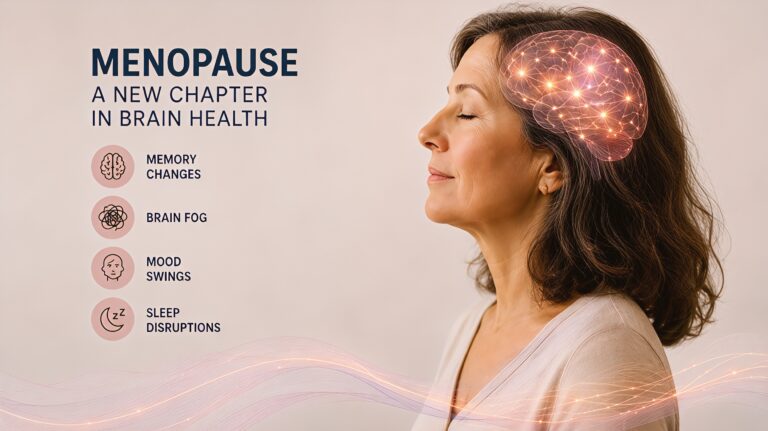

Menopause can really shake things up—your body and mind might not feel the same, and sleep often takes a hit. What starts as a few bad nights can turn into full-on menopause insomnia, with restless sleep, 3 a.m. wake-ups, and daytime grogginess that makes it hard to function.
On top of that, your mood and focus just aren’t what they used to be. A big part of this is changes in melatonin, the hormone that tells your body it’s time to sleep, which is why so many women start looking into melatonin and wondering if it could help them get the rest they’re missing.
For a broader look at what’s happening in your body at this stage, you can always start with the Menopause Guide, here on Silverlocks.
How menopause insomnia affects your sleep
When women are younger, their bodies make plenty of melatonin at night, which helps them fall asleep easily and get refreshing rest. Melatonin rises on a predictable schedule, matching the natural sleep cycle, so young women usually have fewer sleep problems and wake up feeling more energised (good times, I know!).
As women go through menopause, their bodies start making less oestrogen—and also less melatonin, but these hormones don’t drop at the same speed or exactly at the same time.
Along with these hormone changes, common menopause symptoms like hot flushes, night sweats, and mood swings can break up sleep or make falling asleep difficult. You might notice you’re wakeful at night, feel cranky or struggle to concentrate during the day, or just don’t feel like yourself. That broken sleep can really affect your mood, your focus, and how good you feel overall.
Studies show that women in menopause often have less melatonin in the evening, a delayed start of it release at night, and lower levels overall.
From menopause insomnia to hot flushes – the most common complaints
Here’s what thousands of mature women report as their main menopause complaints:
- Fatigue or low energy.
- Brain fog and memory problems.
- Difficulty concentrating.
- Mood swings, irritability, anxiety.
- Hot flushes and night sweats.
- Low libido.
- Joint pain, headaches, muscle pain, dry skin.
Fatigue—driven in part by poor sleep—is at the top of the list.
Menopause insomnia – how melatonin can help your sleep
Healthy sleep is especially important during menopause. When you’re not getting enough sleep in midlife, it’s not just about feeling tired—the risks get bigger. Heart disease, high blood pressure, weight gain, and diabetes are all more likely after menopause, especially if your sleep is constantly broken. Even aches and pains, headaches, and those nagging symptoms you didn’t have before can stick around or get stronger with poor sleep. Your immune system also takes a hit, so fighting off bugs and bouncing back from illness can be harder than it used to be.
Sleep isn’t just about physical health—it’s key for your mind, too. When you’re running on too little sleep, it’s much easier to feel foggy, distracted, or forgetful. Anxiety and the blues sometimes show up or get worse, making everything feel more stressful. But good sleep isn’t just a luxury—deep, regular rest steadies your mood and helps you tackle everyday challenges with more resilience. Experts emphasise that healthy sleep patterns, which rely on steady melatonin and cortisol, can truly make a difference in how women feel and function during and after menopause.
Foods and supplements for menopause insomnia
Give your sleep system every possible nudge with nutrition and supplements:
- Melatonin: Direct supplementation can ease sleep onset, especially for those struggling to fall asleep or with jet-lag-like rhythms. It’s considered safe for most mature women.
- Magnesium: Supports relaxation and sleep.
- Valerian root and Lemon Balm: Herbal remedies with modest evidence for improving menopause-related sleep.
- Tart Cherry Juice: Contains natural melatonin and antioxidants—may help improve sleep duration and quality.
- Foods rich in tryptophan: Turkey, pumpkin seeds, oats, yogurt, and cheese support serotonin and melatonin production. Complex carbohydrates may help too.
- Avoid caffeine, nicotine, and alcohol: These disrupt restorative sleep; try winding down with decaffeinated herbal teas in the evening.
-Always consult your doctor first before taking any supplement-

Creating the ideal bedtime routine and sleep hygiene
It’s not just about what you take—it’s about how you prepare for sleep:
- Keep the bedroom cool, dark, and comfortable; heat increases night sweats and discomfort.
- Maintain a consistent bedtime and wake-up schedule, even on weekends (difficult, I know!).
- Limit screen time and blue light exposure in the hour before bed—these can suppress melatonin further.
- Develop a wind-down ritual: gentle stretches, reading, mindfulness or breathing exercises, a warm bath maybe.
- Avoid heavy meals late at night; opt for a light snack if hungry, but skip sugar and spice.
Living and working with menopause insomnia
Feeling exhausted, yet still expected to perform at work and home, is one of menopause’s most overlooked burdens. Here’s how to cope:
- Build in short rest breaks during the day—even 10 minutes of closing your eyes can help.
- Prioritise the most demanding tasks in the morning (when sleep deprivation often feels least intense).
- Adjust expectations and delegate when possible.
- Thousands of women around the world share these challenges, and while persistent exhaustion is tough, proactive self-care can make a real difference.
Menopause insomnia can really wear you down, but there are more ways to tackle it now than ever. When you know melatonin is part of the problem, you can try routines that help nurture better sleep, like winding down before bed, keeping your room cool, and making time for relaxing activities. There are also safe supplements, therapies, and lifestyle tweaks worth exploring—sometimes that’s all it takes to get back those restful nights and feel brighter during the day.
References
- NIH – National Library of Medicine – “Melatonin Patterns and Levels During the Human Menstrual Cycle and After Menopause”
- PubMed – “Sleep, Melatonin, and the Menopausal Transition: What are the links?”