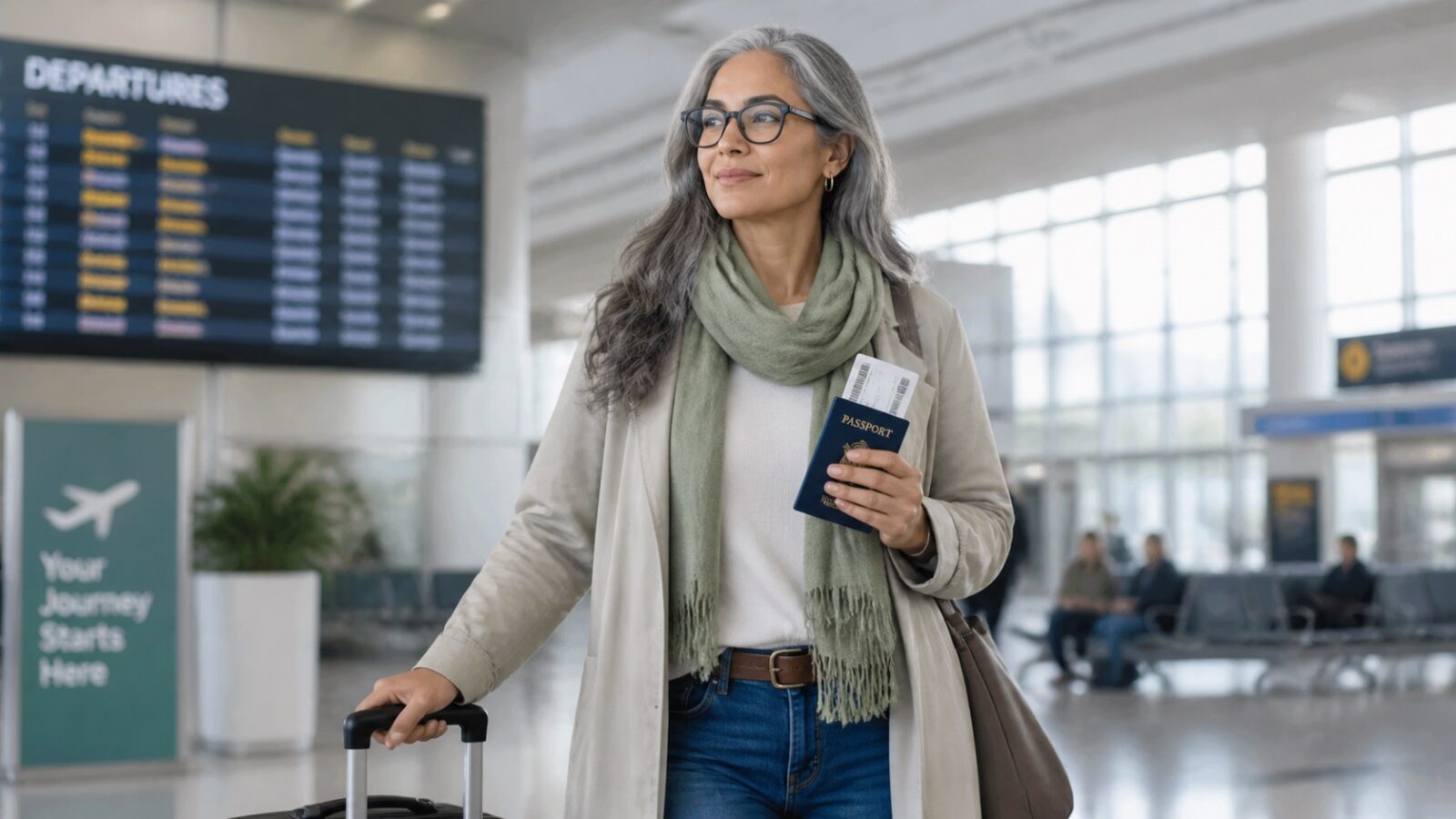
Why Solo Travel For Women Over 50 Is Different
The Joys Of Traveling In Midlife
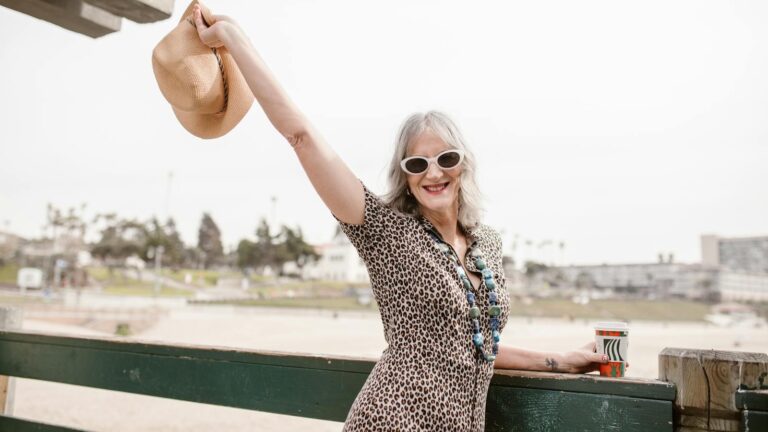
Traveling in your 50s and beyond can be deeply rewarding: you know yourself better, you’re less driven by other people’s expectations, and you can finally design trips that truly suit you. You may have more financial stability, more control over your time, and less pressure to “do it all,” which makes space for slower, more satisfying journeys. Solo travel for women over 50 is less about proving something and more about rediscovering freedom, curiosity and that joyful connection with yourself.
Common Concerns For Women Over 50
At the same time, it’s normal to have extra questions and worries: safety, health, mobility, and sometimes confidence. You might wonder whether you’ll feel lonely, whether you’re “too old” for certain destinations, or how to handle practical issues like medicines, stairs, or heavy bags. This guide is designed to acknowledge those concerns honestly and give you practical tools so you can travel with both caution and confidence, rather than fear.
Core Safety Principles For Solo Travel Over 50
Planning And Preparation
Good preparation doesn’t mean over-planning every minute; it means having a solid, flexible foundation. Before you go, research your destination’s basic safety situation, neighbourhoods, local customs, and typical scams. Share your rough itinerary with someone you trust, keep digital and paper copies of important documents, and make sure you have travel insurance that covers your age and any pre-existing conditions. A simple checklist will help you feel calmer and more in control.
Staying Aware Without Feeling Afraid
Safety awareness is about paying attention, not living in constant anxiety. Aim to stay in well-lit, busy areas, especially at night, and listen to your intuition if something or someone feels “off.” Keep an eye on your belongings, don’t share too much personal information with strangers, and avoid situations where you’d be isolated with someone you don’t know well. The goal is to feel grounded and alert enough to protect yourself, while still leaving space to enjoy spontaneous moments.
Protecting Your Health On The Road
Your health is as important as your passport.
Talk to your doctor before a big trip, especially if you’re changing climate or altitude, and check any recommended vaccines. Pack enough medication for your entire trip plus a buffer, and store it in separate places (carry-on and day bag) in case of delays or lost luggage. Once you’re traveling, pay attention to hydration, sleep, and heat or humidity, and give yourself permission to rest — your trip doesn’t have to be a marathon to be meaningful.
Practical Safety Tips On The Ground
Transport: Planes, Trains, Tuk-Tuks And Taxis
Transport is where many solo travelers feel most vulnerable, so simple habits matter. On planes and long-distance buses or trains, keep your valuables in a small bag under the seat or close to your body, not in overhead bins. Use reputable taxi companies or ride-hailing apps where possible, and avoid unmarked cars; if you’re taking tuk-tuks or mototaxis, agree on the price before you hop in and trust your instincts about the driver. For night travel, consider paying a bit more for safer options, better lighting, or shared rides if that helps you feel at ease.
Accommodation: Choosing Safe, Comfortable Places To Stay
Where you sleep should feel like a safe base, not another source of stress. Choose accommodation in central but not rowdy areas, read recent reviews (especially from solo women), and look for mentions of staff helpfulness and security. When you arrive, notice the exits, the lighting in hallways, and how the front desk manages visitors; you can always ask for a different room if something feels uncomfortable. It’s okay to value peace, cleanliness, and a friendly atmosphere over being in the “coolest” neighbourhood.
Money, Documents And Valuables
Think in layers rather than trying to hide everything perfectly. Carry one card and a small amount of cash in a secure, easy-to-reach place, and keep backup cards and extra cash in a different spot in your luggage or hidden pocket. Store your passport in a hotel safe or a discreet inner pocket when you’re out, and keep photos or scans of your passport and key documents on a secure cloud service or email. If something is stolen, you’ll be able to act more quickly and calmly because you’re prepared.
Staying Connected: Phones, SIMs And Wi-Fi
A working phone is a safety tool as well as a comfort. Consider buying a local SIM or using an eSIM so you can call transport, accommodation and emergency services easily. Save important numbers (local emergency number, your hotel, a trusted contact at home) in your phone and on paper. Use password-protected devices and be careful with public Wi-Fi for banking; if in doubt, wait until you have a more secure connection to handle sensitive tasks.
Navigating Culture And Social Situations
Dressing And Behaving Respectfully
Respecting local culture helps you blend in and avoid unwanted attention. Check typical dress norms before you go, especially for religious sites, and bring at least one outfit that covers shoulders and knees. Watch how local women move, speak, and interact in public spaces, and take your cues from them; small adjustments in clothing or behaviour can make a big difference in how comfortable you feel.
Handling Unwanted Attention
Unwanted attention can range from mild curiosity to persistent harassment, and you have the right to protect your boundaries. Often a neutral, firm “no,” avoiding eye contact, or simply walking away is enough. In more uncomfortable situations, move towards other people, staff, or families, and don’t hesitate to ask for help if you need it.
You don’t owe politeness to anyone who is making you feel unsafe.
Making Friends Without Losing Your Boundaries
One of the joys of solo travel is meeting new people — but you get to decide how close those connections become. Joining group tours, classes, or day trips is a safer way to meet others than accepting private invitations from strangers. Share only what you’re comfortable with, and keep some information (like your room number or exact plans) to yourself until someone has earned your trust. It’s perfectly fine to enjoy a conversation or a meal and then part ways, without further obligation.
Destination Guides For Solo Travel Over 50
Southeast Asia: Gentle Adventures In Thailand, Vietnam And Cambodia
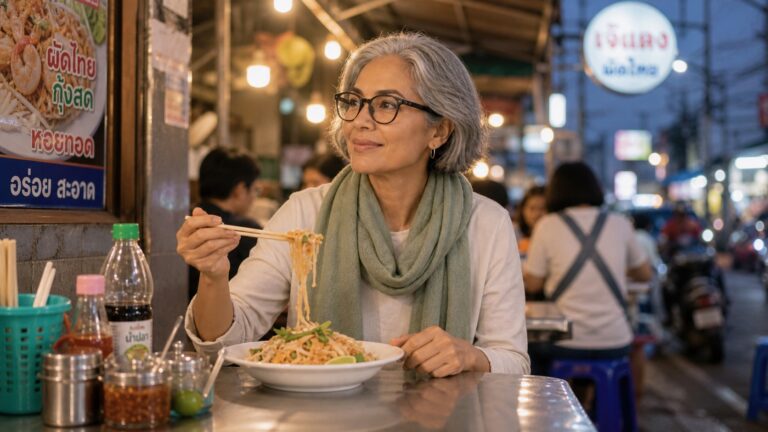
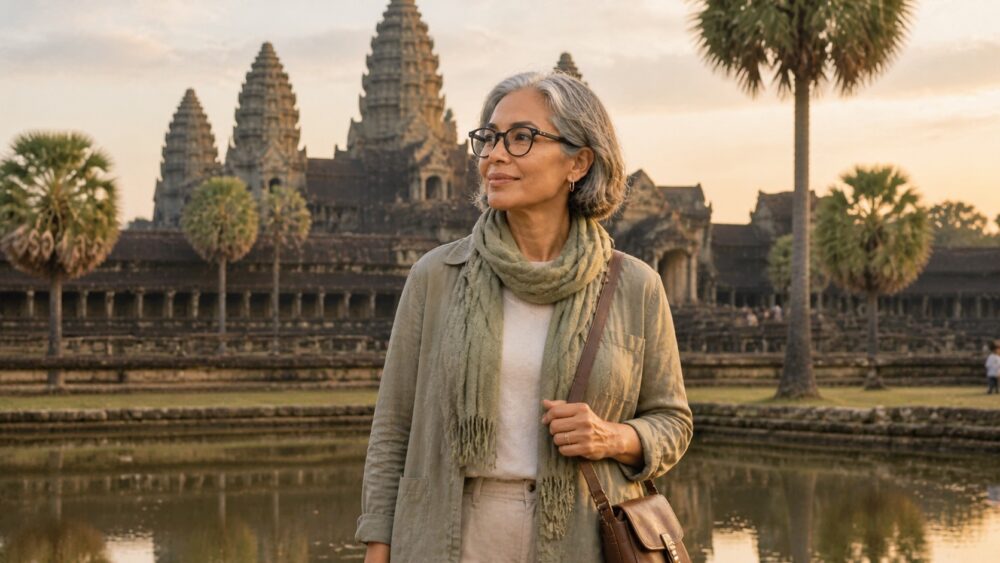
Thinking about temples, street food and warm weather, but unsure if it’s right for you in your 50s and beyond? Think of this Southeast Asia guide as a practical companion if you’re heading to Thailand, Vietnam, Bali (Indonesia), Cambodia or Singapore on your own. You’ll find route ideas, local safety tips, and mindset advice specifically for solo women over 50, plus reassurance about what it actually feels like to be there as a midlife traveler.
Europe: Culture, Comfort And Easy Transport
If you want walkable cities, reliable public transport and plenty of culture, Europe can be an ideal solo-travel playground for women over 50. This guide covers how to pick good “home bases,” use trains confidently, and enjoy museums, cafés and historic neighbourhoods at a pace that suits you. It’s designed to help you feel safe and oriented, even if it’s your first time exploring Europe alone. (coming soon)
Dream Budget Retreats In Portugal For Women Over 50
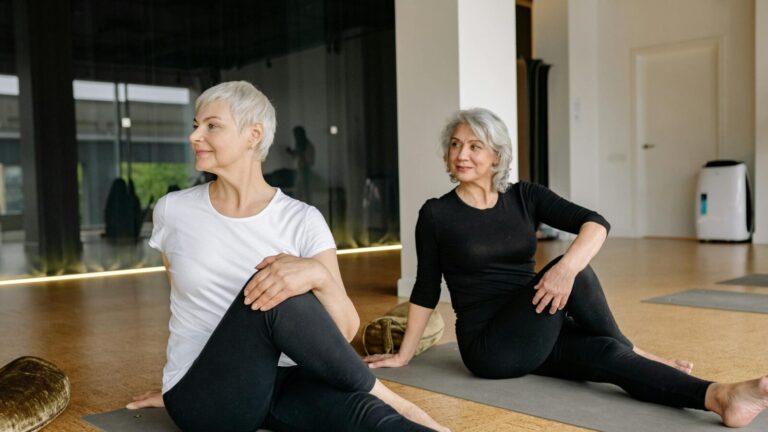
Portugal is a lovely option if you want a gentle, affordable wellness retreat instead of a busy city break. In the Algarve, you’ll find retreats designed specifically for women over 50, with warm hospitality, excellent food and a slower rhythm that lets you rest, reflect and reconnect without spending a fortune. This guide walks you through how to choose the right retreat, what to expect day‑to‑day, and why Portugal can be an ideal place to try your first solo wellness getaway in midlife.
Your First Solo Trip: Where To Start
Not sure which destination should be your first — especially if you’d love to meet new people along the way? This article highlights eight solo‑friendly places for women over 50 who want both exploration and connection, from lively cities like Lisbon and Chiang Mai to softer spots like Vancouver Island. You’ll find ideas for where it’s easier to chat to locals and other travellers, plus suggestions for activities and neighbourhoods that naturally make meeting new people feel relaxed rather than forced.
Read more: 8 Best Solo Travel Destinations for Women Over 50 Who Want to Meet New People
Mindset, Confidence And Enjoyment
Managing Fear Before You Go
It’s completely natural to feel nervous before your first (or next) solo trip, especially if you’ve been carrying other people’s doubts or your own what-ifs. Start by noticing which fears are practical (like health or logistics) and which are more about self-doubt; practical fears can be reduced with information, checklists and planning. You can also “practice” solo travel at home: go out alone for meals, day trips or short breaks nearby to build your confidence step by step.
Traveling At Your Own Pace
One of the biggest advantages of traveling solo over 50 is that you don’t have to keep up with anyone else. You can build slow itineraries, include rest days, and stay longer in places you love instead of rushing on because you “should” see more.
Give yourself permission to skip activities that don’t appeal to you and to change plans when you’re tired; enjoying your trip is more important than collecting sights.
Giving Yourself Permission To Enjoy It
Many women over 50 have spent years caring for others, working hard, and putting themselves last. Solo travel can feel radical simply because it focus on your needs, interests and pleasure. Remind yourself that you are allowed to take up space, try new things, and experience joy, even if others don’t fully understand your choices.
Your travels don’t need to be perfect or social-media-worthy to be meaningful; they only need to feel right for you.
Checklists And Resources
Pre-Departure Checklist For Women Over 50
Before you leave, run through a simple checklist:
- Medical: doctor check-up if needed, prescriptions refilled, any recommended vaccines.
- Documents: passport validity, visas, travel insurance, copies (digital and paper).
- Money: cards and backup cards, cash, emergency funds, bank notified of travel.
- Contacts: itinerary shared with someone you trust, important numbers stored.
- Tech: phone unlocked or eSIM-ready, chargers, adapters, and any key apps installed.
Packing Essentials For Solo Travel Over 50
Pack light, but don’t deprive yourself of comfort. Focus on breathable, mix-and-match clothing, comfortable walking shoes, and a small set of layers for changing temperatures. Include your medications, a basic first-aid kit, and any supports you need (like compression socks, knee brace or back support). Security items such as a small cross-body bag, luggage locks, and a discreet money belt can add peace of mind without making you feel paranoid.
Helpful Apps, Tools And Services
A few thoughtfully chosen tools can make solo travel much smoother. Map and transport apps help you navigate and plan routes; translation apps make it easier to read menus and signs or communicate basic needs. Accommodation and review platforms can help you find better, safer places to stay, and communication apps keep you in touch with family and friends at home. Choose what you’ll actually use, and practice with them before you travel so they feel familiar.
Final Encouragement
You’re More Ready Than You Think
If you’re reading this, you already have the curiosity and desire to travel — the rest is skills and confidence that you can build. Start with destinations and trip lengths that feel manageable, use the safety principles in this guide, and let your experience grow over time. You don’t have to prove anything to anyone; solo travel for women over 50 is simply one way to honour your life, your courage, and your right to explore the world on your own terms.
Disclaimer – This guide is for general information only and does not replace professional advice, medical guidance, or local regulations. Solo travel experiences can vary widely, and safety conditions, visa rules, health recommendations and prices may change without notice. Always check up‑to‑date information from official sources, speak to a healthcare professional before you travel if you have any medical concerns, and use your own judgment when making decisions on the road. You are responsible for your own choices, wellbeing and travel arrangements.