Southeast Asia is one of the easiest places on earth for women over 50 to fall in love with solo travel. You get warmth (weather and people), good value, great food and a huge built‑in community of other solo women, so you’re not “the only one” at every café.
Think of this Solo Travel Safety Tips for Women Over 50 in Southeast Asia as a practical guide if you’re heading to Thailand, Vietnam, Bali (Indonesia), Cambodia or Singapore on your own. It’s the kind of thing I’d send a friend: numbers to save, neighbourhoods that feel safe, taxi options that make sense, and a few apps that quietly look after you in the background.
Why Southeast Asia works so well for women over 50 traveling solo
For women over 50, these countries tick some very important boxes:
- Lots of other solo travellers – including women, which makes you feel less “odd one out”.
- Generally low violent crime in tourist areas (your main risks are traffic and petty theft, not targeted violence).
- Good tourist infrastructure – guesthouses that know how to help, clear transport options, plenty of tours if you want company.
The goal of this guide isn’t to make you anxious; it’s to give you enough information so you can relax and pack your bag with confidence.
Thailand
Emergency numbers
- Police / ambulance / fire: 191
- Tourist Police (English‑speaking): 1155
I’d save both as contacts before you fly.
Safer taxi options (including women‑run)
You’ll see tuk‑tuks everywhere, but for longer rides and nights, apps are your friend:
- Grab – the main ride‑hailing app (cars and motorbikes) in many Thai cities.
- Female Taxi Thailand – women drivers for women, great for airport transfers and evenings.
- Thai Lady Taxi – woman‑run service; you can request a female driver and pre‑book for arrivals and day trips.
These two are particularly nice if you arrive late at night.
Where to stay
- Bangkok
- Sukhumvit (Phrom Phong → Thong Lo → Ekkamai): lots of cafés, BTS skytrain, mid‑range hotels used to solo guests.
- Riverside: calmer, more “grown‑up” hotels, great if you want views and easy boat access.
- Chiang Mai
- Old City and Nimman are both walkable, full of coffee shops, yoga studios and other solo travellers.
- Islands
- Quieter areas of Koh Samui, Koh Lanta or non‑party parts of Koh Phangan often feel better than the heaviest backpacker zones once you’re past 40.
Apps for Thailand
- Grab – taxis and food delivery.
- Google Maps or Maps.me – download Bangkok/Chiang Mai/islands offline before you go.
- Google Translate – download Thai for offline, use the camera on menus and signs.
- Any safety/location‑sharing app you already like (WhatsApp live location works perfectly well).
Extra tip: traffic and scooters are more dangerous than people. Keep your bag on the side away from the road and don’t walk with your phone dangling over the street.
Vietnam
Emergency numbers
- Police: 113
- Fire: 114
- Ambulance: 115
Ask your hotel to write these in Vietnamese on a card you can keep in your wallet.
Transport and taxis
- Grab – widely used in big cities for cars and bikes.
- Trusted taxi brands in Hanoi and Saigon include Mai Linh and Vinasun; ask your hotel to call them or take them from official ranks.
Where to stay
- Hanoi – The Old Quarter is fun but intense; for a slightly calmer base, look near Hoan Kiem Lake or the French Quarter.
- Hoi An – Very easy place to be solo; small, walkable, loads of pretty homestays and hotels.
- Ho Chi Minh City (Saigon) – District 1 is central; some women prefer the slightly quieter feel of District 3 or parts of District 2 (Thao Dien).
Apps for Vietnam
- Grab – for rides and sometimes food.
- Google Maps – to follow your route (and to understand traffic chaos from a safe distance).
- Google Translate – download Vietnamese; even showing the written address can save you when pronunciation fails.
Extra tip: bag‑snatching from scooters is a known thing in Hanoi and Saigon; keep your cross‑body bag zipped and on the building side, not the road side.
Indonesia – Bali & Ubud
Emergency numbers
National lines are not as tidy as in Europe, but commonly used numbers include:
- Police: 110
- Ambulance/medical: 118 or 119
In Bali specifically, your hotel, villa host or retreat is often the fastest way to reach a good clinic. Ask on check‑in: “If I need a doctor or ambulance, who do I call?”
Transport and taxis
- Apps: Grab and Gojek are big players, but in some areas local taxi co‑ops restrict them.
- Many solo women over 50 feel best with: a pre‑booked driver from their accommodation on arrival/regular drivers arranged through their hotel/retreat for day trips.
Where to stay
- Ubud – Great for yoga, nature, cafés and lots of other solo women. Stay within walking distance of central Ubud or choose a place with a shuttle.
- Sanur – Flat seafront path, calmer feel, older crowd; a lovely base if you like walking and early mornings.
- Canggu / Uluwatu – Trendier and busier; fine, but roads are hectic and scooter culture is strong, so think about how comfortable you are with that.
Apps for Bali
- Grab / Gojek – where available.
- Google Maps – for both car and walking.
- Google Translate – download Indonesian (Bahasa Indonesia).
- WhatsApp – drivers, tour guides and even some cafés confirm everything via WhatsApp, so keep it handy.
Extra tip: if you’re not confident riding a scooter, you’re allowed to say “No, thanks” and stick to walking. Hospitals are full of “it looked easy on Instagram” stories.
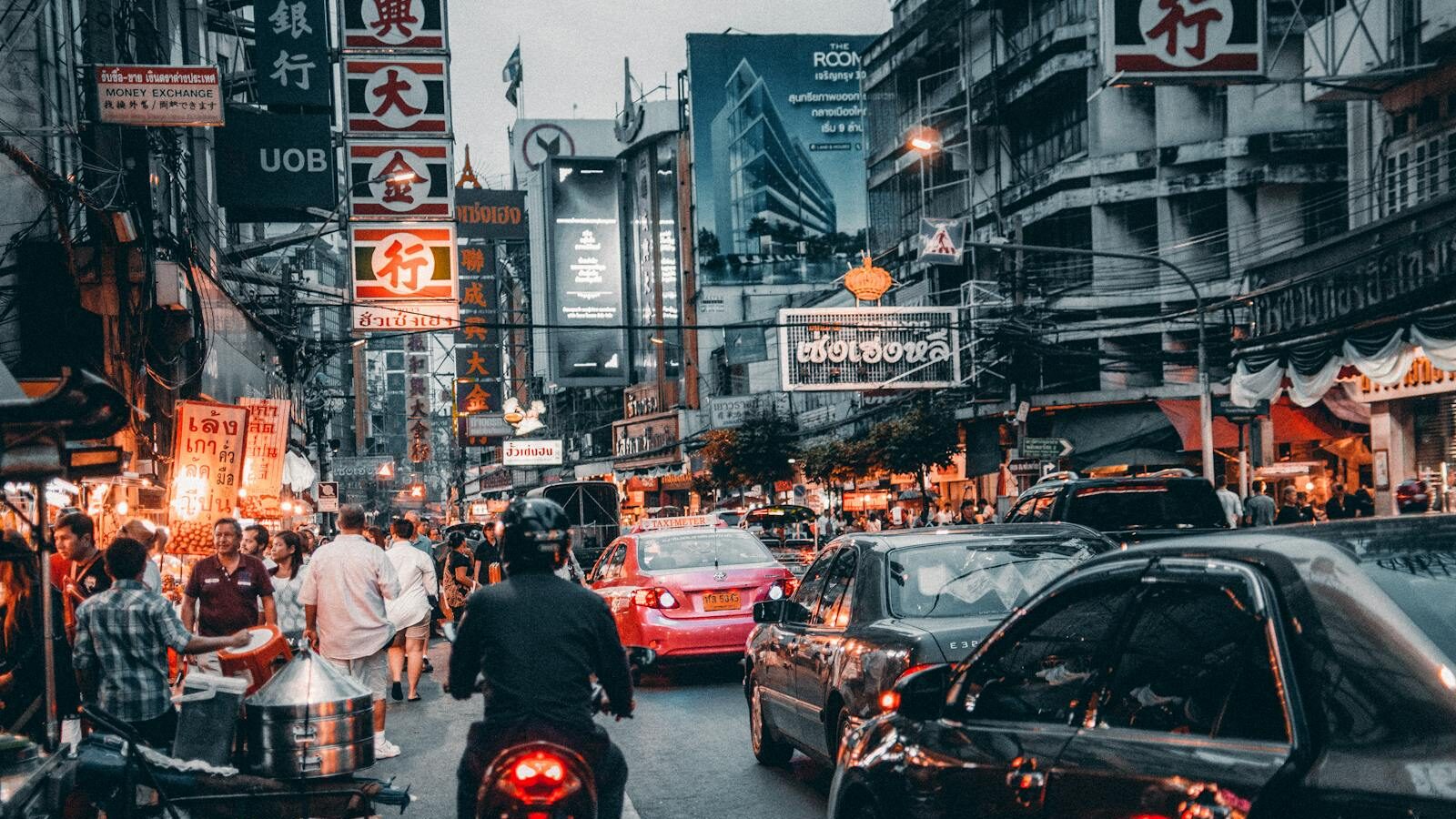
 Phot by Lu Zhao/Pexels.com
Cambodia
Emergency numbers
- Police: 117
- Fire: 118
- Ambulance: 119
As always, your hotel can help contact the right local service, especially in smaller places.
Transport and taxis
- Apps: Grab in some locations; PassApp is popular for tuk‑tuks and taxis in Phnom Penh.
- In Siem Reap, most people use tuk‑tuks arranged through their hotel or a regular driver they trust.
Where to stay
- Siem Reap – Very used to solo travellers; choose a hotel/guesthouse a short walk or short tuk‑tuk ride from, but not directly on, Pub Street, so you can sleep.
- Phnom Penh – Look for well‑reviewed hotels in central areas where reviews mention safety, lighting and helpful staff, not just décor.
Apps for Cambodia
- PassApp / Grab – depending on city.
- Google Maps – to orient yourself.
- Google Translate – Khmer support is limited but still helpful for simple phrases and showing addresses.
Extra tip: Cambodia has a very soft, kind energy in many places, but poverty is real. Be firm but kind if anyone pushes too hard to sell; you don’t have to feel guilty to keep your boundaries.
Singapore
Emergency numbers
- Police: 999
- Fire and ambulance: 995
Both are quick and reliable. Singapore is one of the safest urban environments you can choose.
Taxis and rides
- Apps: Grab, Gojek, and local taxi apps like ComfortDelGro.
- Street taxis are regulated and generally safe; taxi ranks at malls and MRT stations are the easiest option.
Where to stay
Almost everywhere feels okay, so think more about your budget and MRT access:
- Orchard Road – shopping, central, safe.
- Marina Bay – beautiful but pricey; great views and easy walking.
- Clarke Quay / Riverside – nice if you like being near restaurants and the river.
- Bugis / Bras Basah / Tiong Bahru – slightly more local feel, still safe and well‑connected.
Apps for Singapore
- Grab / Gojek / ComfortDelGro – for getting around easily.
- Google Maps – excellent for public transport.
- Google Translate – English is widely used, but it’s handy for the odd sign or menu.
Extra tip: Singapore is a great “first landing” before heading somewhere more chaotic; you get used to the heat and time zone while still feeling very safe.
Cross‑border app kit for solo women
Whatever mix of these countries you visit, a little “digital safety net” helps:
- Maps: Google Maps + offline areas, or Maps.me.
- Translation: Google Translate with offline Thai, Vietnamese, Indonesian, Khmer.
- Rides: Grab almost everywhere; add Gojek (Indonesia/Vietnam) and PassApp (Cambodia).
- Safety & contact:
- WhatsApp, iMessage or Google Maps for live location sharing with one trusted person at home.
- Optional: a personal safety app like bSafe, Mayday or similar if it makes you feel calmer having a quick SOS option.
Final thought
You don’t need to be fearless to enjoy Southeast Asia solo in midlife—you just need to be well‑prepared. Save the numbers, install a couple of apps, pick neighbourhoods that feel good, and then let yourself enjoy the noodles, temples, massages and sunsets you’ve absolutely earned.
These tips come from a mix of trusted travel resources, advice and community stories from women who know Southeast Asia well, as well as local recommendations. I haven’t personally visited all of these destinations (yet!), but I’ve done my best to curate accurate, helpful tips for you.
Disclaimer – This article is for general information only and is not a substitute for professional safety, medical or legal advice. Conditions can change quickly, so always check the latest local guidance, official travel advice and reviews before you go, and use your own judgement when making decisions while travelling.