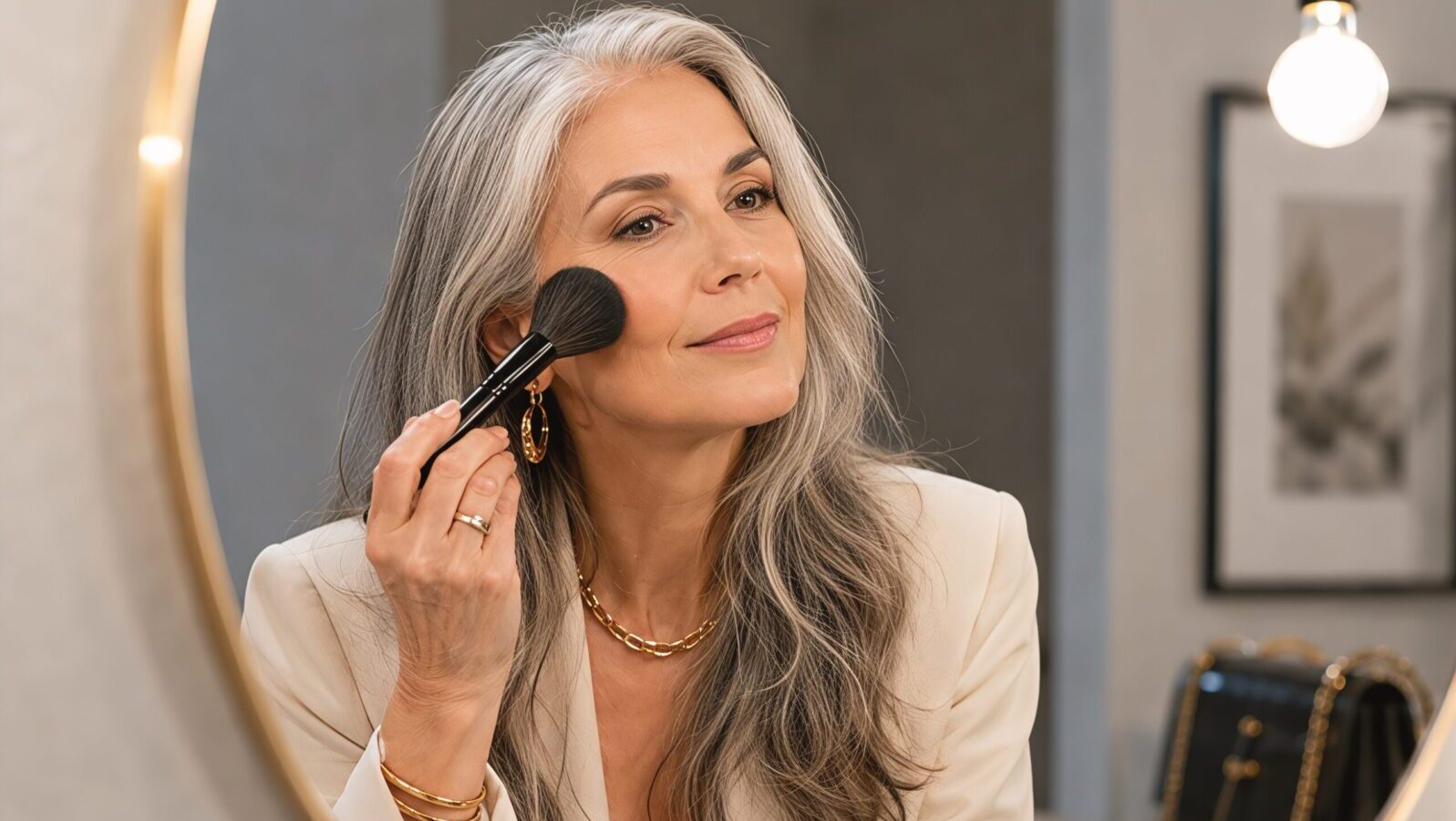
Not long ago, women over 50 were almost invisible in advertising, magazines, and catwalks. If you were past a certain age, you were expected to fade quietly into the background: be a grandmother, look after the house, help with the grandchildren, and not make too much noise.
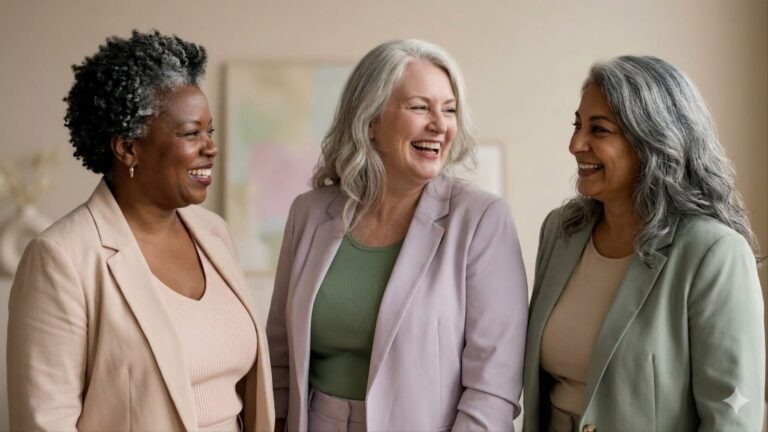
Today, things look very different. We see older actresses on magazine covers, silver-haired models in campaigns, and women in their 50s, 60s, and beyond walking fashion shows. On the surface, this is fantastic progress—it sends a clear message that life doesn’t end at 50 and that beauty standards for women over 50 are finally shifting. Yet beneath the glossy images and inspiring headlines, there’s a question worth asking: has real change happened, or have we simply swapped one narrow ideal for another?
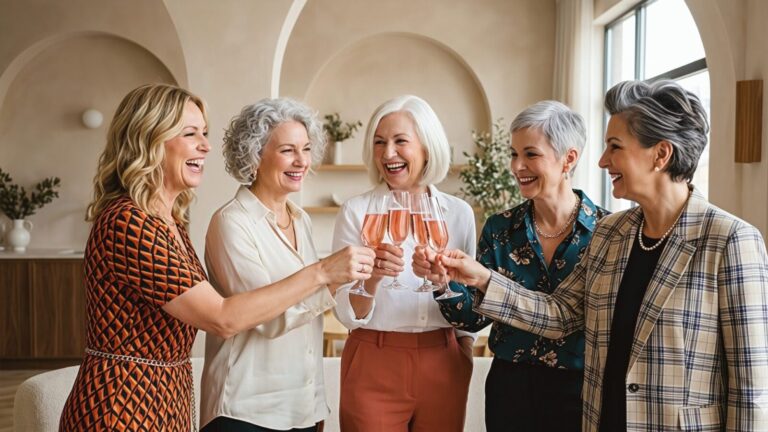
But there’s a catch. The older models celebrated still tend to fit a very narrow idea of beauty: incredibly slim, their skin flawless, their hair shiny, their smiles perfect—almost like a checklist of what we “should” look like. In other words, we’re being told: “Yes, you can be seen… as long as you don’t actually look your age.”
The problem is that this picture doesn’t match how real life feels for most of us, and it shows exactly how distorted beauty standards for women over 50 have become.
Inside, we often feel young and curious. Outside, our bodies tell a different story. That doesn’t make us less. It makes us human. Yet the message we keep getting is that our bodies should somehow “keep up” with our inner 20‑year‑old—or we’re doing aging wrong. For me, some days my knees sound like old wooden stairs, but my brain is still planning the next adventure.
Beauty Standards for Women Over 50: From one type of cage to another
Our generation really is different from our mothers’ generation. Many of us work, travel, study, start businesses, or choose not to have children at all. We have more freedom to decide what we want from life, and that’s a huge step forward. But society has a way of turning freedom into a new set of rules.
Decades ago, the rule was: be a good wife, a good mother, a good grandmother, and don’t make a fuss.
Now, the rule sounds more “modern,” but it’s still a rule: be over 50, but look 35; be successful, but also slim and glowing; have fine lines—but just the “right amount,” and only if they’re “cute.”
So yes, we might have more choices now—but we’re also dealing with a louder, more demanding chorus telling us how we’re “supposed” to look while we age. And if we’re honest, that chorus can be exhausting.
The pressure to stay young and slim
If you’re over 50, slim, and naturally look 30—great for you. Some women have that genetic lottery ticket, even if they do nothing special. Others work hard at the gym, eat carefully, and invest in skincare and treatments. There is nothing wrong with that; your body, your rules. The problem is when this becomes the standard by which all women over 50 are judged.
It’s easy to feel the pressure. When every magazine cover or Instagram post shows the same “perfect” older woman, it can make anyone question themselves. I’ve lost count of how many times I’ve scrolled past an “ageless at 55” post and caught myself thinking, “OK… and what does that say about me?”
So when we see endless images of “perfect” older women—slim, wrinkle‑light, poreless, and glowing—it’s easy to start asking ourselves: What’s wrong with me? Why don’t I look like that? Am I failing at aging?
For many women, this isn’t just vanity. Health conditions, medications, mobility issues, menopause symptoms, and plain genetics all affect weight, skin, hair, and energy levels. You can “do everything right” and still not end up with a catwalk body or a filter‑ready face. And honestly, some days even “doing everything right” is already more than we have energy for.
When “inspiration” becomes pressure
Brands and media love to talk about “inspiring” older women. In theory, it’s positive: we get role models who are our age and doing fantastic things. But there is a thin line between feeling inspired and feeling crushed.
Some patterns that can turn “inspiration” into pressure:
- “If she can do it, what’s your excuse?” messaging, especially around fitness and weight.
- Before‑and‑after photos that suggest midlife is only “successful” if you end up thinner than before.
- “Ageless” campaigns that celebrate women over 50… as long as they barely show a wrinkle.
So while it’s wonderful to see women our age on catwalks and in campaigns, we also have to ask: who isn’t being shown? Who is being left out because their body, face, or life doesn’t match the preferred storyline? It’s rarely the woman with a soft belly, dark circles from a bad night’s sleep, and a supermarket bag in her hand—yet that’s many of us, most days.
You are not a failed project
Many women over 50 feel both the physical and psychological weight of aging, and talk about the “injustices and inequities” of how society treats older women. Negative body image in this age group is not about vanity; it’s tied to how respected, visible, and valued we feel.
We shouldn’t have to apologise for our bodies, explain why we are not a size 8 (UK), or justify every wrinkle, stretch mark, or extra kilo. Just as our mothers’ generation deserved more than the “good housewife” box, we deserve more than the “fit, ageless model” box. We’ve already lived through enough rules. We don’t need new ones dressed up as “self‑care.”
Real choice means all choices
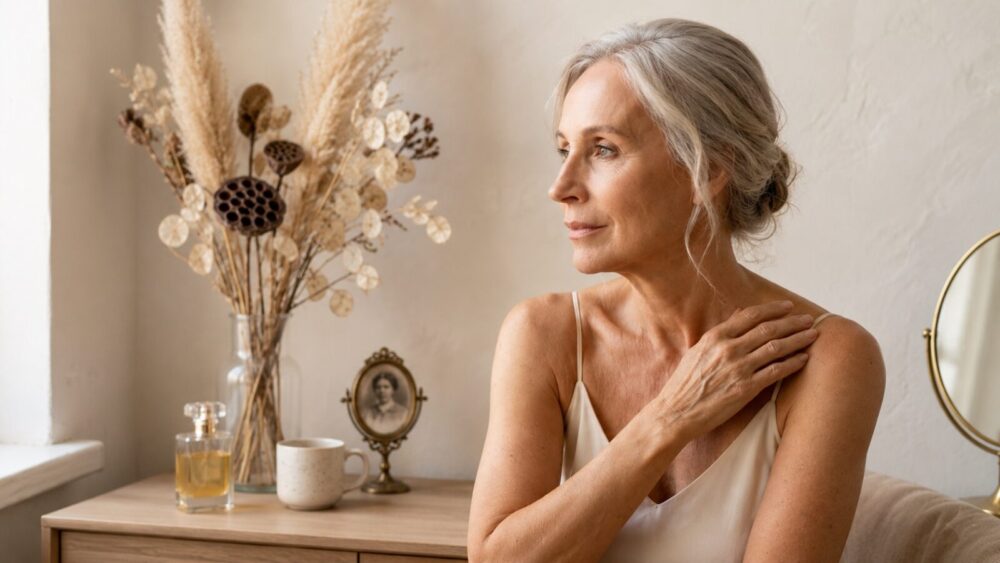
Ultimately, this is about choice. If you enjoy skincare, treatments, hair dye, or surgery—go for it if it feels right. If you’re happy going grey and focusing your energy on other parts of life—that is just as valid. Many women who embrace grey hair or natural aging say it feels like a little act of rebellion—a way to reclaim their true selves.
True freedom for women over 50 means: you can chase the catwalk look if it makes you happy, or you can ignore it completely if it doesn’t. You are not more or less valuable based on how “well” you hide your age.
The problem isn’t that some women look very young at 50+. Good for them. The problem is when that becomes the only story we’re allowed to celebrate.
Dear society: give us a break
Menopause, health issues, caring for parents, children or grandchildren, work, money worries—midlife already comes with enough challenges. We don’t need another full-time job trying to erase every sign that we’ve lived (honestly, most days just getting through the to‑do list is enough of a marathon).
Here’s what many of us over 50 are quietly (and not so quietly) asking society: Stop treating aging in women as a failure to manage time properly. Stop pretending that access to treatments, time, money, and good health is equal for everyone, because it is certainly not. Stop using the few “perfect” examples as proof that the rest of us just need to try harder.
We are full human beings, with stories, scars, achievements and losses. We have laughter lines. We have days where we’re simply tired.
Show us women over 50 on catwalks, yes—but show us all kinds of women over 50: the ones with different bodies, faces, and lives; the ones who love Botox and the ones who love their wrinkles.
I love imagining a runway where women laugh, stumble a little in heels, or sip coffee backstage—because that’s real life, too. That’s the runway I’d actually like to watch.
This is our time—on our terms
If you’re reading this and feeling tired of trying to match some impossible “ageless” beauty standards for women over 50, you are not alone. Many women say they want to focus less on trying to look young and more on being authentic, healthy in a realistic way, and valued for who they are.
Remember: your worth does not shrink or grow with your waistline. Your value is not measured in how convincingly you can pretend you’re still 30.
This is our time—but it has to be on our terms, not on a new, shiny, “ageless” rulebook written by people who don’t live in our bodies, don’t have to work to pay the bills at the end of the month, or are living with a health condition or two.
If you feel like sharing, I’d love to hear your experience. Have you ever felt pressured to look younger or slimmer just because you’re over 50? Have you made peace with your body—or are you still in the middle of that journey? Your voice might be exactly what another woman needs to hear today.
This article is based on personal experience, opinion and publicly available research and is intended for general information only. It is not medical, psychological, or professional advice and should not replace guidance from your doctor, therapist or another qualified professional. Always consult a healthcare or other relevant professional about your own situation before making changes to your health, lifestyle, or treatment.