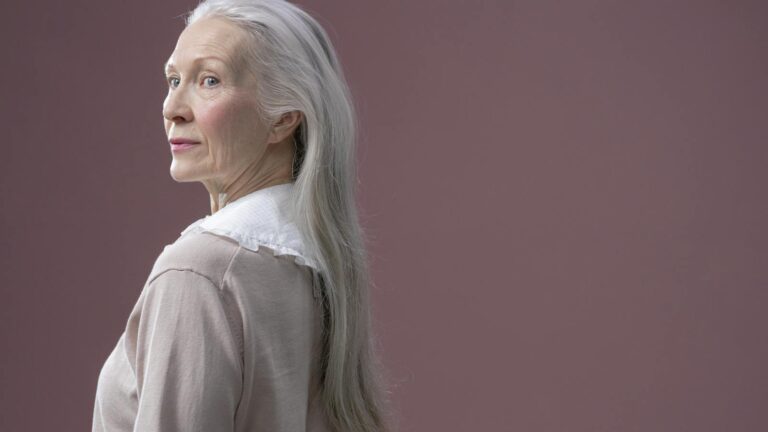

Two years ago, when a doctor confirmed my ADHD diagnosis after 50, I wasn’t surprised at all, to be honest—I was 52. Suddenly, the constant chaos in my head made perfect sense. All those years of feeling “different without realizing it,” struggling to focus and study at university, and wondering why I couldn’t keep up like everyone else—there was finally a reason.
Now I have an answer: ADHD. My creative, curious brain just works a little differently. But throughout my life, I paid a high price for not knowing.
Childhood clues (Looking Back on ADHD Diagnosis After 50)
I was the youngest of three and this often gave me a free pass when it came to my mischief. From a very early age, I showed all the signs—but in the 70s, who would have thought about ADHD? I think my parents had never heard of that. To my family, I was just “nervous, forgetful, curious, impatient and impulsive”, so different from my brother and sister.
I remember the times I went to see a neurologist, Dr Crispin. My parents were hoping to find some explanation for my behaviour. However, the answer was always the same: he used to tell them there was nothing wrong with me. I was simply… a different kind of child. People then assumed that I would grow old and get “normal”, just like my siblings.
Life at school
At school, my grades were good and I had many friends. Still, I had problems that nobody else seemed to notice. My black-and-white way of thinking had a talent for sabotaging friendships from time to time. Sometimes I was so direct, I could end a friendship with just a word. My poor mum, honestly, she was forever being called to school because, well, I was often in trouble. Why was that? I can’t bear to see someone weak being taken advantage of. I’d stand up for other children’s problems, and somehow, I’d end up being the one blamed, even when it wasn’t really my fault. This happened many times during primary school. The headteacher actually told my mum once, “She’d make an excellent lawyer!” And, truth be told, that’s still me: my patience runs thin in situations like that.
Adulthood and missed opportunities
My adult life brought no peace. I lost many opportunities—jobs, places on competitive courses, you name it. I was always changing my mind and looking for something else. There were certain behaviours shaping my life that I couldn’t see, and I just assumed that what I was doing was normal, because I was young. Nowadays, the mess I made with my life is very clear.
Since I learned I have ADHD, I feel like someone has cleaned the fog from my glasses. The constant agitation, the endless curiosity, and abandoned plans finally have a name. I feel a bit relieved in understanding my past behaviour. There are regrets, of course, and I still feel very angry with myself when I think about the missed opportunities, but I can’t go back and fix every mistake, or rebuild every burned bridge so I am learning to live with them.
Living with ADHD after 50
I know some people who think that having ADHD is like having a superpower, or something special. I don’t feel like that most of the time. I spend a lot of energy trying to keep my life organised and managing the constant worries my mind seems to create. I have to deal with non-stop distraction, it is like my brain is my worst enemy. For me it’s not about having some special ability, it’s learning to deal with the way my brain works.
Yet, here’s my silver lining. If ADHD has given me anything truly special, it’s my sixth sense. My intuition never fails me. I sense things quickly and in situations of chaos or crisis, I’m often the first to sort things out or at least think about something. Ideas show up out of nowhere. Sure, my thoughts can be all over the place, but that restlessness actually helps me get creative and find clever solutions. In fact, this mix of intuition and imagination feels like my hidden superpower, if I can call that.
Understanding ADHD symptoms for women over 50
Getting diagnosed with ADHD in my fifties has been eye-opening. After decades of beating myself up, I’m finally starting to embrace who I am. It is difficult to deal with some tasks, but now I can appreciate how my brain’s unique wiring has blessed me with out-of-the-box thinking. I just wish I’d known sooner. Maybe I wouldn’t have missed so many opportunities and I would be in a different place, but I’m happy to finally understand the reason now. If any of this sounds familiar, I hope my story helps you remember: you’re definitely not alone.
For women after menopause, ADHD symptoms can worsen. Lower estrogen can affect memory, attention and mood. Many women describe feeling more anxious, having sleep issues, and facing trouble with time management. Some say they get more easily frustrated or overwhelmed. These changes aren’t just about age—they’re linked to how ADHD interacts with hormonal shifts. I’m living proof of that.
But don’t lose hope: lots of us find that small tricks help—using alarms, pill organisers, colour-coding calendars, wall boards, (I use all). And for many, finally understanding yourself brings less guilt.
It’s never too late for change
Every woman’s ADHD journey is different. After fifty, it’s easy to wonder, “Is it just me?” Honestly, it isn’t. You are not alone. Some of us are diagnosed young, others late, and many—like me—after half a life spent searching for answers. Sharing our stories helps bring understanding.
This is my personal story. I’m not saying it’s true for everyone. Each person’s experience is unique, and there’s no single way to describe life with ADHD. What’s hard for me might be easy for someone else—and vice versa. I hope that sharing my experience helps other women, even if just a little.
If you’ve also been diagnosed with ADHD later in life—or you’re wondering if that might be your story too—I’d love to hear from you. Your experiences, big or small, can make another woman feel seen and a little less “out of place”. If you feel comfortable, share your journey in the comments so other Silverlockers can learn from you, and remember they’re not doing this alone.
References
- National Library of Medicine – The impact of living with undiagnosed ADHD and adult diagnosis on women
- NHS – ADHD in adults
- Henry Ford Health – Why ADHD is often under diagnosed in women
- JSTOR Daily – The History of a diagnosis
- The Guardian – Chaotic and curious women with ADHD all have missed red flags
Read more on Silverlocks
- What to know before starting hormone therapy HRT
- Why does turning 50 feel so scary for some women?
- Perimenopause x Menopause: what is the difference?
Books about ADHD
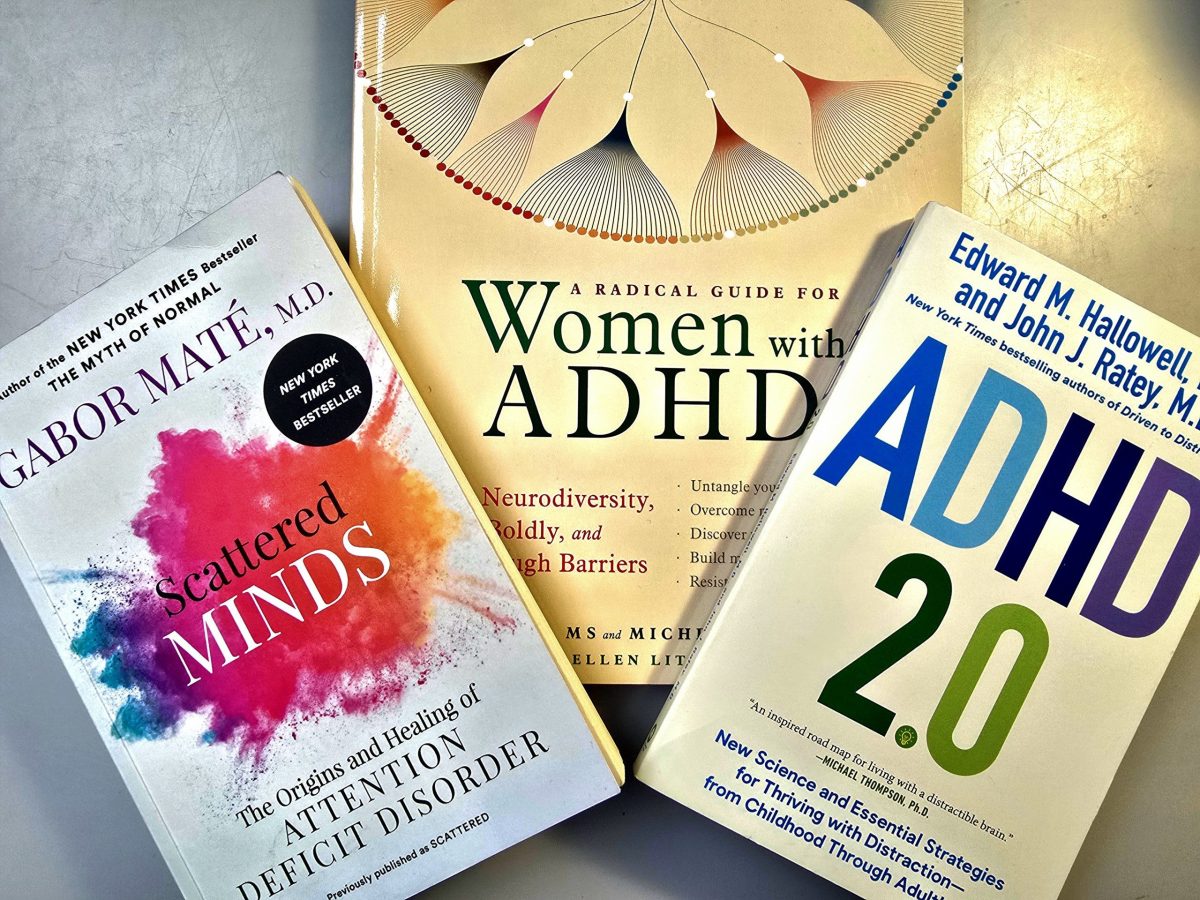
- Scattered Minds
- A radical guide for women with ADHD
- ADHD 2.0
- Dirty Laundry
- Invisible ADHD
- The ADHD effect on marriage
Disclaimer: This article shares my personal experience and general information about ADHD and is not a substitute for professional diagnosis or treatment. If you think you might have ADHD or are struggling with your mental health, please speak to your doctor or a qualified mental health professional.