If you’re reading this, I’d guess you’re a bit like me—curious about what life might be like in different countries in Europe, maybe daydreaming about a new chapter with adventure and friendly new faces. If turning 50 has stirred up mixed feelings about ageing, you might also like my article on the fear of turning 50, where I unpack some of those worries and how to move through them.
After reading various reports, the same handful of countries in Europe kept rising to the top, so here are my 5 best countries for women over 50 in Europe who are thinking about their next chapter.
These are my 5 best countries for women over 50 in Europe based on safety, equality and quality of life
1. Norway
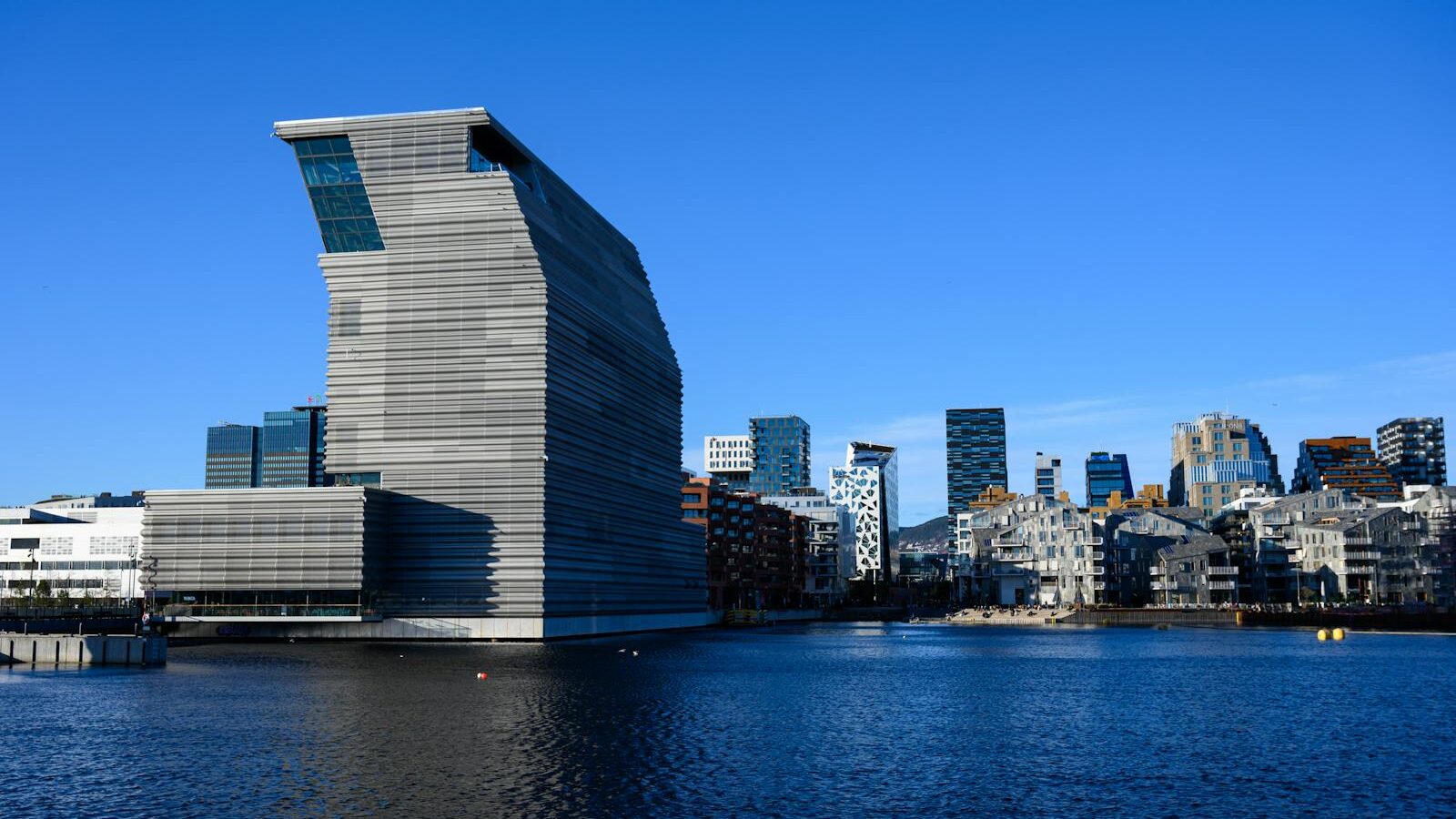
Norway is one of those countries that quietly does a lot of things right for women in midlife, even if the cost of living can make you gulp at first. Healthcare is universal and tax‑funded, with legal rights to necessary care and very low rates of people skipping treatment because of cost; older adults have some of the highest life and healthy‑life expectancies in Europe thanks to a strong health and long‑term care system. Everyday life is expensive compared with Southern Europe, especially in Oslo and the big cities, but expat budgets show that once rent is covered, supermarkets, public transport and utilities are predictable, and living in a smaller town or outer suburb brings costs down quite a bit.
From a practical point of view, Norway works very well if you like to be out and about without a car. Public transport is efficient and clean, and cities put real effort into being age‑friendly, with safe pavements, benches and lifts; Oslo’s age‑friendly action plan even talks explicitly about helping older citizens use public transport and feel safe while doing it. The climate is definitely colder and darker than Portugal or Spain, but Norwegians lean into it with good clothing, winter lighting and a strong outdoor culture, so walking, hiking and even cold‑water swimming become social habits.
Socially, Norwegians have a reputation for being a bit reserved, but most expats say that once you get to know them, people are kind, reliable and loyal friends. Almost everyone speaks excellent English, which makes the first months much easier, but taking Norwegian classes or going to language cafés is one of the best ways to meet people and feel more at home.
Hobbies: there are clubs for hiking, skiing, choir singing, crafts, volunteering and book groups in even quite small towns, and outdoor associations and community centres actively encourage older adults to stay active and involved.
Higher living costs, yes—but in exchange you get excellent healthcare, clean air, safe and well‑designed cities, and a culture where older women are expected to keep learning, moving and taking part in community life rather than shrinking into the background.
- Norway regularly ranks among the top countries in Europe for gender equality and women’s health, according to EU and Nordic gender‑equality indicators.
- Studies tracking Norwegian women over time show high life expectancy and good self‑rated health in older age, supported by a strong welfare and healthcare system.
2. Portugal

If you like the idea of decent healthcare without London‑level prices, it ticks a lot of boxes: there’s a universal National Health Service, life expectancy sits above the OECD average, and everyone is covered for core care, even if you sometimes need patience with waiting lists or choose private top‑ups for speed. Day‑to‑day life is kinder on the wallet than in much of Northern Europe; retirement and expat guides consistently say a single person or couple can live comfortably on a budget that would feel tight in Denmark or Germany, especially if you pick a smaller city or inland town where rent and supermarket prices are lower than in Lisbon or Porto.
The climate is mild and sunny, so walking to the supermarket, café or local market becomes part of the pleasure, and many towns have buses and urban trains on hand if you don’t want to drive everywhere. In most cities and coastal areas you can get by in English at the start, but learning basic Portuguese really does change how included you feel; lots of expats say language classes are where their first real friendships started.
Hobbies translate easily here too: choirs, walking groups, yoga, ceramics, cooking workshops and language exchanges are easy to find in Lisbon, Porto and along the coast, and people tend to open up quickly once they’ve seen you a couple of times.
Café terraces, long lunches and evening walks mean you can be out and about. International safety and peace rankings keep placing Portugal among the calmer, safer countries globally—something many retirees and solo women say they can feel in the general atmosphere. If you’re looking for a place with good‑enough healthcare, reasonable costs, good weather and plenty of opportunities to meet people, Portugal is a very solid contender.
- Cities like Porto have even appeared in “safest cities for female digital nomads” lists, thanks to low violent crime and a generally welcoming atmosphere for women.
3. Sweden
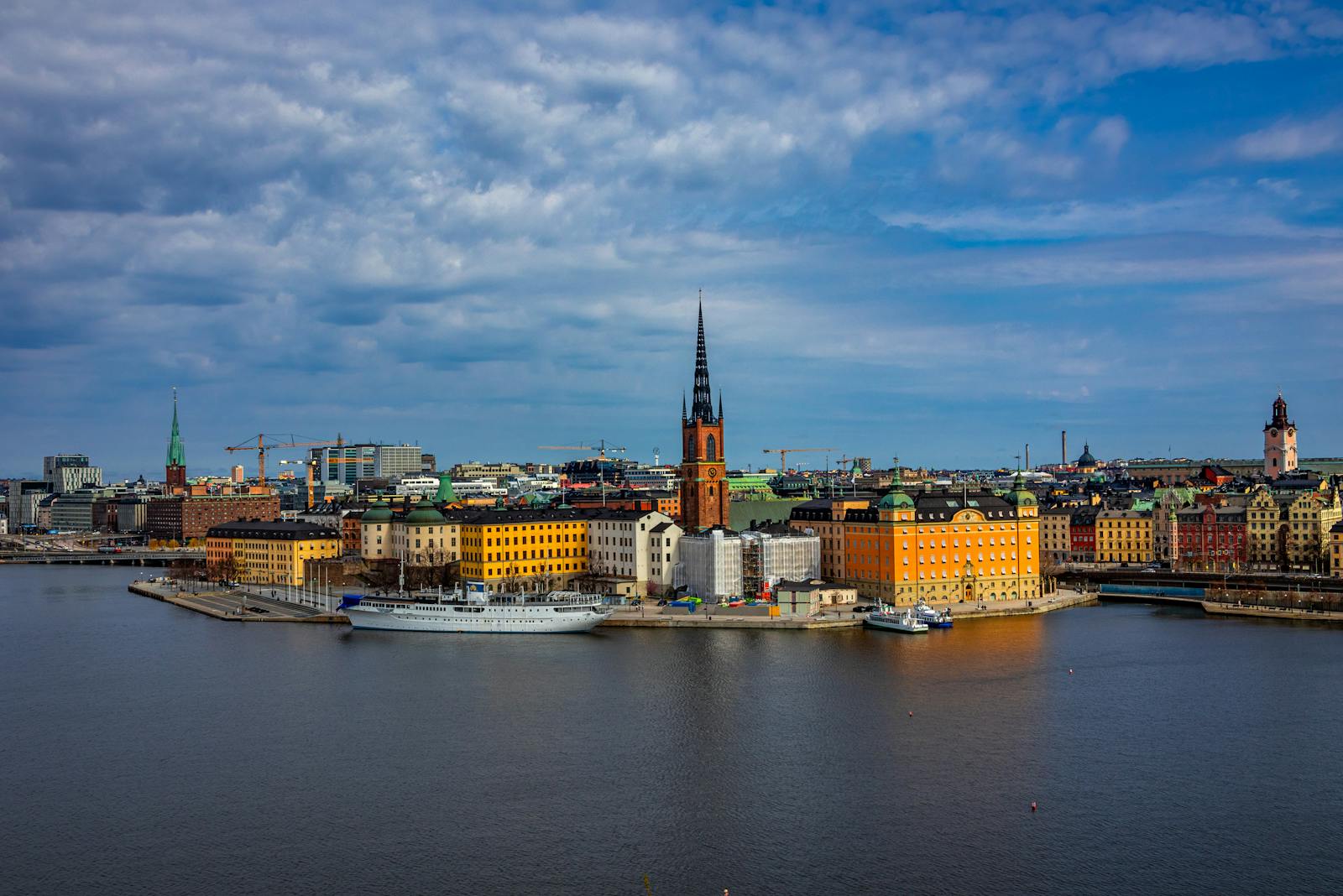
Sweden still scores at the very top of Europe for gender equality, social support and quality of life, which makes it a good fit for many midlife women. Everyday life is organised: public transport is reliable, cities are green and walkable, and healthcare and social care are universal, with specific policies aimed at giving women and men equal chances to stay healthy and independent in older age.
That doesn’t mean Sweden is perfect or crime‑free. Some larger cities have struggled with gang‑related violence and public concern about safety, although official figures show that overall homicide numbers have recently dropped to their lowest level in a decade and fear of being outdoors at night has in fact decreased slightly in recent years. As a mature woman, you would still take normal big‑city precautions (especially in certain districts), but you also benefit from strong institutions, and clear policing.
For many older women, what really stands out in Sweden is the culture around ageing: dignity, autonomy and participation are baked into policy and social life. It’s normal to see women in their 50s, 60s and 70s active in politics, arts, volunteering, and there are plentiful opportunities for language classes, crafts and nature groups that welcome newcomers. If you like the idea of somewhere socially liberal, highly organised and still relatively safe by international standards—but are comfortable doing a bit of research about specific neighbourhoods—Sweden can still be a very good place to build a later‑life chapter.
4. Denmark
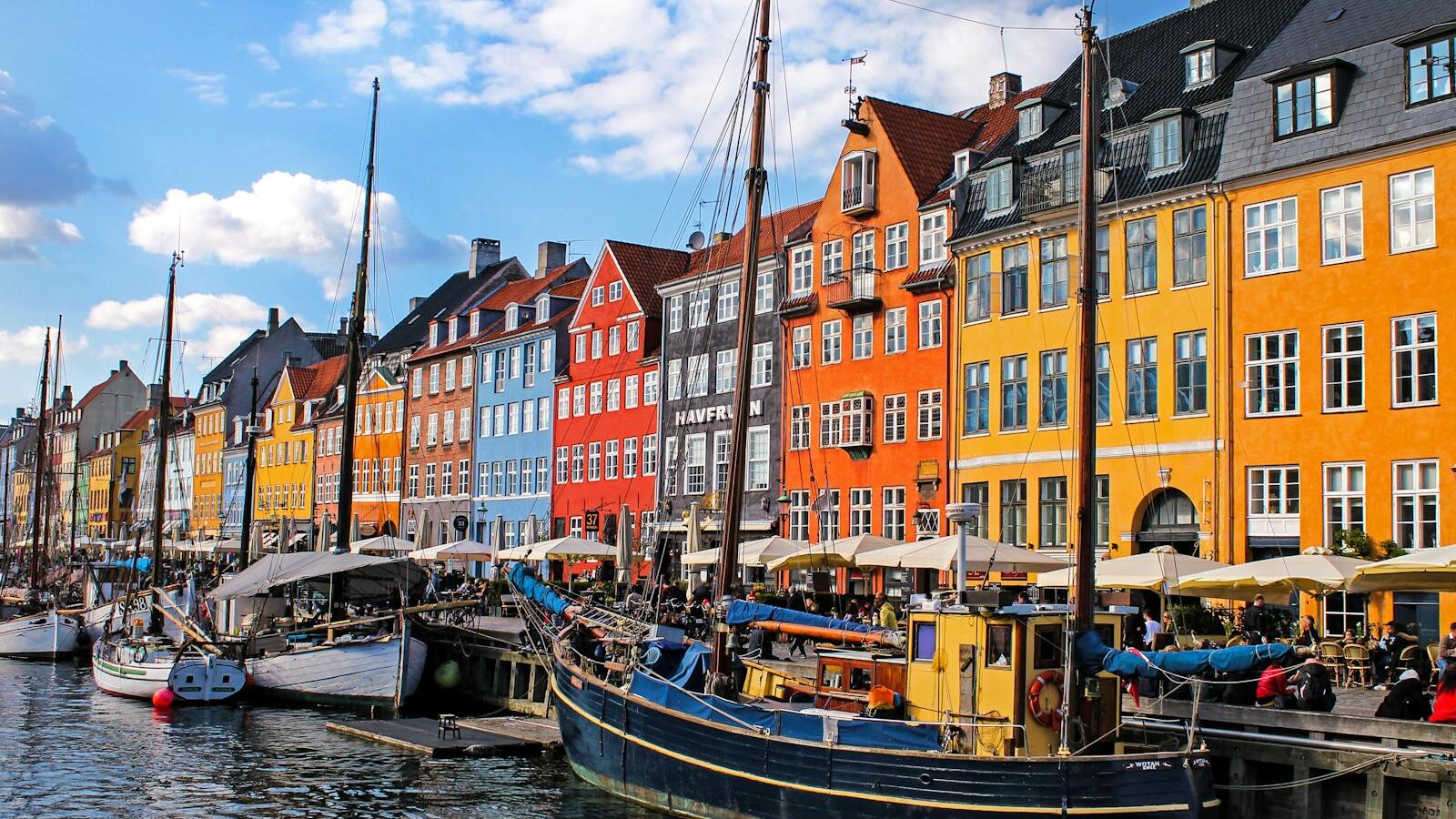
Denmark is a brilliant option if you like things to work. Healthcare is universal and tax‑funded, and all registered residents are entitled to publicly financed care that’s largely free at the point of use, including GP, hospital and most long‑term care services. The flip side is cost: Denmark is not cheap, especially Copenhagen, but living in smaller cities like Aarhus or Odense brings monthly budgets down compared with the capital.
Cities are walkable and bike‑friendly, and public transport is efficient, so you don’t have to drive unless you want to. Supermarkets are everywhere, with plenty of fresh produce and good bread, and you’ll also find cosy cafés and local markets in most neighbourhoods. The weather is cooler and greyer than Southern Europe, but Danes lean heavily into hygge—cosy lighting, candles, warm food and coffee dates.
Socially, Danes can seem reserved at first, but expats consistently say friendships deepen once you show up regularly. Almost everyone speaks excellent English, so daily life is very manageable from day one, but learning some Danish is a big gesture of respect and opens more doors. Making friends tends to happen through structured activities: sports clubs, knitting or craft groups, book clubs, language exchanges, volunteering and workplace socials. There are plenty of options for going out —think board‑game cafés, food festivals and seasonal events like Christmas markets and Midsummer celebrations.
Denmark is a great fit if you value solid healthcare, safe streets, libraries and community centres over sunshine and cheap cocktails. It’s a place where older women are expected to stay active, keep learning and take part in community life—and where the systems around you are designed to make that feel normal rather than exceptional.
- Denmark has a universal, tax‑funded healthcare system, where all registered residents are entitled to largely free primary and hospital care, including older adults
5. Finland
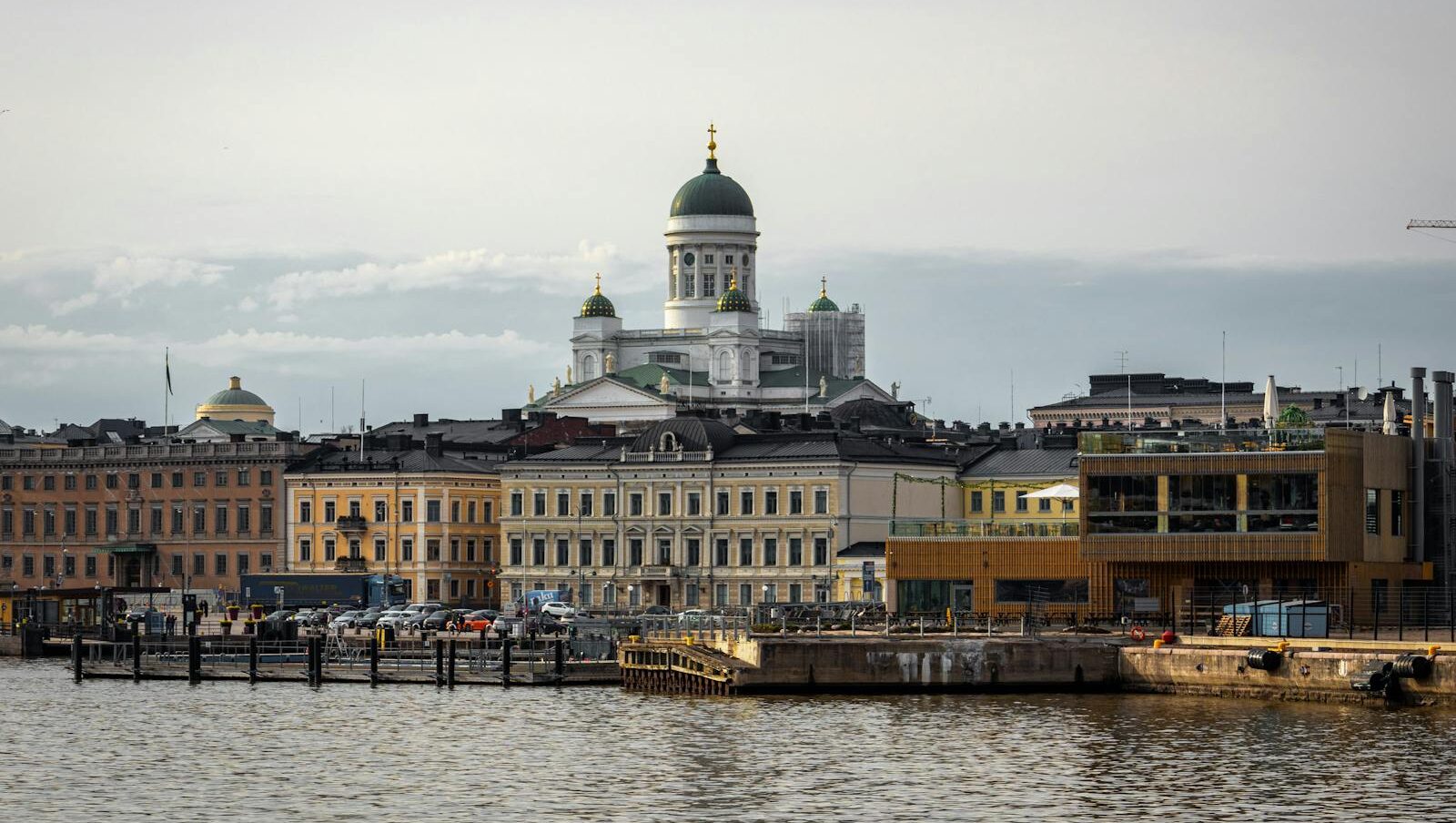
Last but not least, Finland—a land of lakes, saunas, and a famously happy population. Finland’s society is progressive, supportive, and places special emphasis on life-long learning. Age is celebrated rather than concealed, and there is zero stigma around living, dating, or starting new hobbies as an older woman.
Healthcare is universal and tax‑funded, with all residents entitled to publicly provided services, and long‑term care is treated as a public responsibility rather than something families are left to manage alone. Policy documents on ageing specifically aim to keep over‑75s living at home independently for as long as possible, backed by preventive health checks and home‑help services.
Cost‑wise, Finland is not “cheap”, especially in Helsinki, but it is more moderate than some other Western capitals and very transparent: expat budgets show typical monthly costs for a single person are similar to or slightly below other Northern European countries, with smaller cities like Tampere, Turku or Oulu noticeably more affordable than the capital. Groceries and public transport are predictable, and you can keep everyday expenses reasonable if you avoid luxury imports and dine out less often. Public transport is reliable and well‑developed in cities, so you can get by comfortably without a car.
Socially, Finns are famously reserved at first, but expats often say that once you do make friends, they are solid, long‑term relationships. Almost everyone speaks excellent English, so daily life is manageable from day one, but joining a Finnish class, a hobby group or a volunteer project is one of the best ways to move from polite small talk into real friendships. Hobbies are everywhere: from dancing, choir and book clubs to ice‑swimming, hiking, crafts and community courses organised by local adult‑education centres.
What makes these societies special?
- Respect for Midlife Women: not just as mothers or grandmothers, but as individuals.
- Quality Healthcare: Universal access, regular screenings, and age-specialised medical care are standard.
- Safe & Walkable Cities: Nature nearby, and reliable public transport make daily life easier.
- Opportunities for Friendship: Loads of clubs, networks, and social events welcome newcomers.
- Low Ageism: Women 50 and up are encouraged to participate in everything—arts, community, politics or sport.
Across these countries, high scores on gender equality, safety and social welfare show up consistently in European and global indices, which is one reason they often appear in rankings of “best places” for women to live. Whether you choose the elegance of Oslo, the serenity of Helsinki, the calm of Stockholm, the sunny charm of Lisbon or the cosiness of Copenhagen, you can find joy, and safety.
If you already live in one of the 5 best countries for women over 50 in Europe — or you’ve spent extended time there —I’d love to hear how it really feels from the inside. Share your experience in the comments so other Silverlockers can see what daily life is like for mature women on the ground, not just on paper.
Disclaimer – This article is based on publicly available data on safety, gender equality, healthcare and quality of life, combined with my own views and priorities as a woman over 50. It is not professional legal, financial or relocation advice. Always check up‑to‑date local information and, if needed, talk to qualified advisers before making any big decisions about moving or retiring abroad