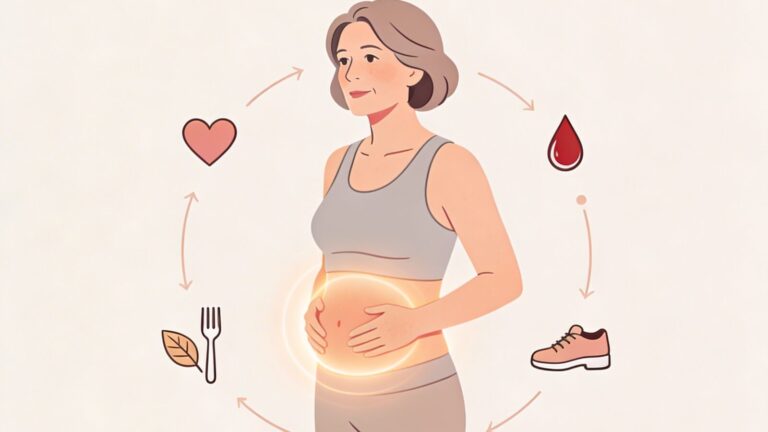

We hear the word “menopause” all the time, but did you know there’s a whole phase before that? Do you know the difference between perimenopause and menopause? Most of us don’t really learn about it until our own bodies start sending loud, confusing signals. If your moods are all over the place, your periods have gone rogue, and your body doesn’t feel like your own—you may be entering the perimenopause.
What is perimenopause?
Think of perimenopause as the warm-up act before menopause, not the main event. Perimenopause usually starts in your 40s, though some women begin noticing changes even earlier. This phase is the time when your ovaries are slowing down on estrogen production, and you might notice all sorts of unpredictable symptoms.
Your periods become irregular. Maybe they show up early or late or skip a month altogether. Some months feel like you’re back in puberty; other months nothing happens at all. You’re not imagining it—it’s hormones doing their thing.
Perimenopause symptoms
Here’s what many women report:
- Irregular periods (lighter, heavier, sometimes skipping)
- Worse PMS before periods
- Breast tenderness
- Weight gain that feels random
- Hot flushes and night sweats
- Mood swings, anxiety, feeling weepy
- Poor sleep and tiredness
- Forgetfulness (“Where did I put my keys again?”)
- Muscle aches and headaches
- Loss of sex drive
- Hair changes and dry skin
- Heart palpitations
Some women sail through with only a few symptoms; others get hit with the whole list (me, myself and I !) Every woman’s journey is unique.
When does menopause start?
As explained on Menopause: The Complete Guide For Women Over 45, menopause officially begins when you haven’t had a period for 12 full months. Most women reach menopause around age 51 but it can happen earlier or later. The time leading up to menopause—the perimenopause—can last anywhere from 2 to 8 years. Once you’re done with periods for a year, you’re menopausal. Easy marker, but not always easy living.
What happens in menopause?
Menopause is when your ovaries stop releasing eggs and estrogen levels are consistently low. No more periods, but symptoms often continue (or even change) after the official start.
Menopause symptoms
If you thought perimenopause was unpredictable, menopause might surprise you too. Here are common symptoms:
- Hot flushes that strike out of nowhere
- Night sweats, waking up drenched
- Mood changes (irritability, sadness, anxiety)
- Vaginal dryness and discomfort during sex
- Sleep problems and fatigue
- Joint pain and muscle aches
- Weight gain, especially around the belly
- Dry and itchy skin
- Lower sex drive
- Forgetfulness and brain fog
- More frequent urinary tract infections
For some of us, symptoms ease off after menopause, but others find them lingering or changing form over time. It’s frustrating, but it’s all part of the hormonal journey.
Difference Between Perimenopause and Menopause
Here’s the clear separation: perimenopause is a transition, menopause is an official phase.
| Perimenopause | Menopause |
|---|---|
| Periods become irregular | No periods for 12 months |
| Symptoms come and go | Many symptoms continue, some improve |
| Hormones fluctuate | Estrogen levels stay low |
| Pregnancy still possible | No longer possible |
The messy bit is that perimenopause and menopause can share symptoms, and the timeline is different for every woman.
Why so many symptoms?
Oestrogen and progesterone do much more than run your cycle—they affect mood, sleep, weight, skin, bones, heart, and even brain. As these hormones rise and fall, then flatline, your body reacts in surprising ways:
- Hot flushes: The thermostat in your brain gets confused, so you feel suddenly hot.
- Mood swings: Hormones affect serotonin, making emotions feel like a roller-coaster
- Sleep issues: Night sweats and anxiety make it hard to rest
- Weight changes: Metabolism slows down, and you store more fat (especially belly fat)
- Muscle/joint aches: Lower oestrogen affects tissues all over the body
- Vaginal dryness: Less oestrogen means less natural moisture, with discomfort during sex
- Brain fog: Concentration and memory get fuzzy. This isn’t just age—hormones are in the mix
How long does all this last?
Perimenopause can stretch out for a few years or more. Some women are done in two years; others slog through seven or eight. After your last period and once you hit menopause, you’re officially past the transition—but symptoms can persist for years. About 80% of women experience symptoms, and for 25% they’re severe and long-lasting.
The emotional roller coaster
Feeling “not yourself” is incredibly common. Many women feel alone or embarrassed to talk about it. You might notice:
- Anxiety, panic attacks
- Depression or feeling “blue”
- Sudden tears—or snapping at people you love
None of this is your fault. Hormones affect mental health as much as physical health, and it can be a tough ride.
The long-term picture
After menopause, your risk of osteoporosis and heart disease goes up because oestrogen protects bones and blood vessels. So, taking care of yourself becomes extra important. Regular check-ups, learning your risks, and conversations with your doctor really help.
What can you do?
- Eat plenty of fiber: Keeps digestion on track and may reduce bloating
- Add fermented foods: Yogurt, kefir, sauerkraut—all good for gut health
- Move every day: Gentle exercise boosts mood, bone strength, and helps with sleep
- Practice self-care: Whether it’s meditation, a walk, or a favourite hobby—make time for yourself
- Stay connected: Chat with friends, join a community (like Silverlocks!), and share what you’re going through
When to see a doctor
If symptoms get in the way of your daily life, talk to a doctor. Don’t settle for “it’s just your age”—get the help you deserve. Also, always reach out if bleeding resumes after menopause, or if symptoms are severe. A doctor can help figure out what’s normal, what’s treatable, and what strategies or therapies might help you feel better.
Always seek urgent care if you have chest pain, severe shortness of breath, or suddenly feel very unwell.
Sharing wisdom and support
Menopause and perimenopause affect every woman differently. The best thing we can do is talk about it—openly, honestly, and without shame. Sometimes just knowing “it’s not just you” is a huge relief.
My experience so far
Unfortunately, I think I’m one of the “chosen ones”—but not in a good way! I’ve had so many symptoms and health problems thanks to the big “M,” and it can be really frustrating. I did have hot flushes, but not during the night like many women. Mine hit during the day, right in the middle of summer. Yes, you heard me right! At first, I thought I was just sweating from the heat, but when I noticed nobody else around me was melting like I was, it hit me: this was something different. It definitely wasn’t a nice experience. I’m happy to say I feel better now that the hot flushes are gone.
There was also a strange problem with my right eye. I went to the doctor, who quickly sent me to the Eye Hospital, warning it might be something serious. By the time I saw the consultant at the hospital, whatever it was had disappeared! I can’t even remember the condition’s name. Then I had a tailbone issue—for a couple of weeks, I couldn’t sit at all, but just like with my eye, the pain vanished as suddenly as it appeared.
I’ve had a whole bunch of experiences like these. After doing some research, I discovered that the big “M” could have caused the problems. Aside from that, I think I’ve had just about every symptom under the sun! Trust me—it truly is one day at a time.
Have you noticed changes with perimenopause or menopause? What surprised you most? Feel free to share your symptoms, tips, or questions in the comments. Your experience can help another Silverlocks reader feel less alone.
Disclaimer: This article is for general information and support only and is not a substitute for personalised medical advice, diagnosis or treatment. If you have troubling symptoms or are unsure what is normal for you, please speak to your GP or a qualified health professional.
References
- Cleveland Clinic – What is perimenopause?
- Mayo Clinic – Perimenopause
Read more on Silverlocks