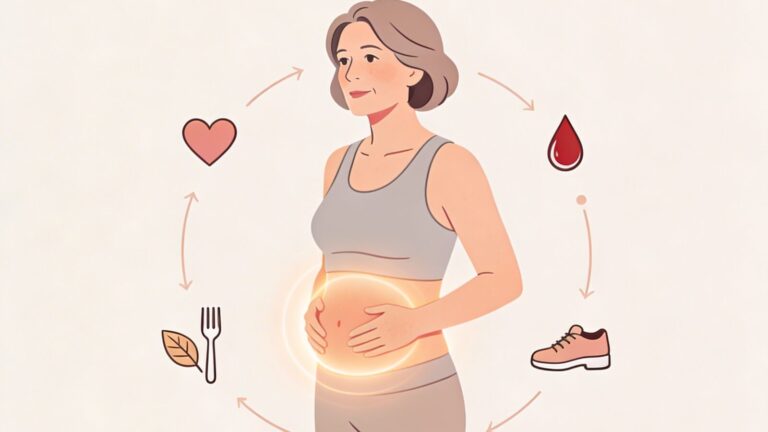

Silverlockers, let’s talk about something close to our hearts – hormone replacement therapy for menopause. For most of us, the decision isn’t easy—there’s so much information, and sometimes it feels like even the experts can’t agree. Headlines change every year, friends have strong opinions, and those pharmacy leaflets can sound scary.
If HRT is on your radar, or you’re desperately googling at midnight while fanning yourself down, this guide is for you. You can also visit the Menopause Guide to learn about other symptoms HRT may help with.
What is hormone replacement therapy – HRT
First things first: HRT (hormone replacement therapy) or MHT (menopausal hormone therapy) is treatment that boosts your oestrogen (and, for most, progestogen) levels to ease those classic menopause symptoms—hot flushes, night sweats, vaginal dryness, mood swings, “brain fog,” even rapid bone loss. There are two main HRT types:
- Systemic: Pills, patches, gels, sprays, and implants spread hormones through your whole body—targeting general menopause symptoms.
- Local/Low-dose: Creams, tablets, or rings go straight to vaginal tissues to relieve dryness or discomfort, with less impact elsewhere.
Deciding on the right HRT type is personal—your doctor will help you choose based on your symptoms, preferences, and health history.
Who should consider hormone replacement therapy – HRT
HRT is worth considering if:
- You’re tormented by hot flushes, night sweats, or sleep problems that mess up daily life
- Vaginal dryness and bladder discomfort are affecting your health or relationships
- You started menopause before 40 (the benefits outweigh risks for early menopause)
- You’re facing a rapid drop in bone density or a high risk of osteoporosis
Every woman’s menopause journey is unique: some sail through with barely a hiccup, while others struggle. Remember, HRT is just one of many options.
How does hormone replacement therapy –HRT help
- Hot Flushes & Night Sweats: HRT is the most effective medical solution by far, often reducing these symptoms by half or more
- Sleep Quality: Oestrogen helps women fall asleep and stay asleep, making nights more restful
- Mood and Anxiety: Studies show HRT can lift mood, ease anxiety, and help with the dreaded “brain fog”
- Vaginal Health: Whether you choose local or systemic, HRT treats dryness, itchiness, and pain during sex; local options pose fewer risks and often work well for these issues
- Bone Protection: Oestrogen shields against osteoporosis—lowering your risk of fractures after menopause
- Heart Health in Early Menopause: For those entering menopause young, HRT lowers future heart disease risk—guidelines recommend treatment at least until the average age of menopause.
Hormone replacement therapy – risks & side
No therapy is perfect—and it’s important to weigh the possible downsides before you start HRT.
- Breast Cancer: Long-term use of combined oestrogen and progestogen raises risk slightly, especially after several years. Oestrogen-only HRT (for women post-hysterectomy) doesn’t carry the same risk
- Blood Clots: Oral HRT increases risk slightly. Patches, gels, and sprays are safer
- Stroke: Rare, but higher for older women and those with certain risk factors. Starting HRT within 10 years of menopause is less risky
- Gallbladder Problems: Pills (not patches/gels) may raise risk of gallstones
- Endometrial Cancer: Using oestrogen alone without progestogen isn’t safe for women with a uterus—always make sure your prescription covers both
Who shouldn’t use hormone replacement therapy – HRT
Don’t start HRT if you:
- Have/had breast or endometrial cancer (unless your specialist says otherwise)
- Had a heart attack, stroke, or serious blood clots
- Have liver disease or unexplained vaginal bleeding
Always go over your exact medical history in detail with your doctor!

How do I start hormone replacement therapy – HRT
- Start Low and Adjust: Most GPs prescribe a low dose to begin with, adjusting based on your symptoms and side effects
- Types, Doses, and Forms: Pills, patches, gels, and even sprays exist—chat with your doctor about what fits your lifestyle and health best
- Side Effects: The adjustment phase brings possible breast tenderness, mild nausea, headaches, and bloating—usually these fade after a few weeks or months
- How Fast Does It Work?: Relief from hot flushes and sleep issues can come within days or weeks, but mood and bone benefits develop over time
Practical tips: get the most from your doctor’s visit
Write down your questions! Here are some of the best to ask at your appointment:
- Am I a good candidate for HRT—based on my symptoms and health history?
- What route (pill, patch, gel, etc.) and dose would you recommend?
- How often will we review side effects and risks?
- How long should I take HRT before reassessing?
- Are alternative or complementary therapies available to try if HRT isn’t suitable?
- What happens if/when I decide to come off HRT in the future?
Expert insights — what specialists are saying now
“If you’re under 60 and dealing with those relentless hot flushes or sleep problems, hormone therapy is generally safe and really does help beat those annoying symptoms,” says Dr. JoAnn Manson, Chief of Preventive Medicine at Brigham and Women’s Hospital.
Dr. Sarah Glynne, a British menopause specialist, notes: “We should look at each woman’s individual story—her values, her needs. One size does not fit all, especially when it comes to hormone treatment after breast cancer. It’s about finding what’s right for you, not a general rule”.
And Dr. Monica Christmas of University of Chicago says: “Women deserve the full picture—the good, the bad, and what’s right for them personally. Make an informed choice, not just follow the crowd”.
Hormone replacement therapy – my experience
I’ve said it before here at Silverlocks, and I’ll say it again—I must be one of the “chosen ones” because my menopause symptoms have been both stubborn and long-lasting. For a couple of years now, I’ve been to so many doctors: orthopedist, neurosurgeon, endocrinologist, cardiologist—you name it. After all the appointments, research, and long chats with my gynaecologist, I decided it was time to try hormone replacement therapy.
Let me emphasise though: every woman’s experience is different, but for me, starting HRT has been the best decision I’ve made for my wellbeing. My symptoms have genuinely improved. While I still deal with aches here and there and the occasional digestive issue—because, let’s face it, menopause loves to keep us guessing—the relentless hot flushes, insomnia, and irritability have eased up dramatically.
Listen to your body and scale down to what feels right for you. If you’re dealing with multiple menopause symptoms that disrupt your life, and you’re generally healthy otherwise, a thoughtful conversation with your doctor about HRT is absolutely worth it.
I started with gel and realised from my blood test results that it wasn’t making any difference at all. After a year and a half of that routine, I switched to the implant in January 2026 and I’m finally feeling better.
Remember, each menopause journey is different, and the right treatment is the one that fits your needs, lifestyle, and health history. HRT can transform lives—for the right woman, in the right way. But don’t let anyone (a friend, a doctor, or even a flashy website) rush you. Do your research and make sure your care is as individual as you are.
Would you like to share your own experience or thoughts on menopause and HRT? Leave a comment below—your story could help someone else on their journey. Every voice matters, and hearing from other women builds a supportive community. What has worked (or not) for you?
Disclaimer: This article is for general information and support only. It does not replace personalised advice, diagnosis or treatment from your GP, menopause specialist or any other qualified health professional. Never ignore or delay seeking medical advice because of something you have read on Silverlocks.
References
- Mayo Clinic: Menopause Hormone Therapy
- NHS: Benefits and Risks of HRT
- Australian Menopause Society: Guide to HRT Doses
- The Menopause Society: 2025 Guidelines
- Cleveland Clinic: Hormone Therapy for Menopause Symptoms