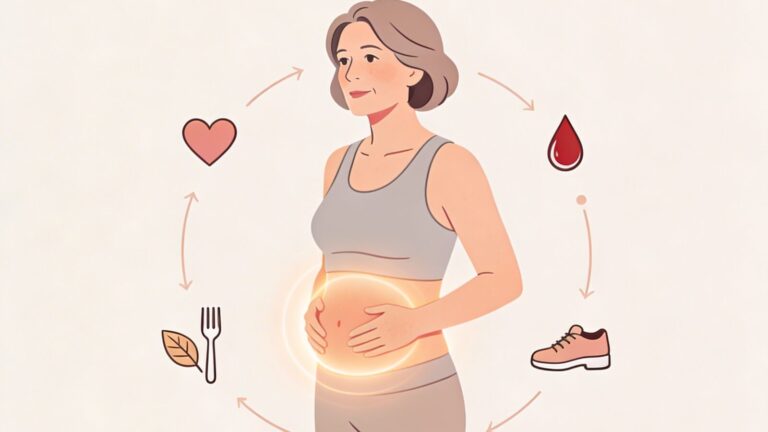

Low libido during menopause can feel like your body pulled the handbrake on desire without asking your opinion first. If you’re still getting your head around what menopause is doing to your hormones and symptoms, you can start with our Menopause Guide. Then we’ll talk honestly about what’s going on – and 5 natural treatments that can actually help, without pretending it’s all in your head.
Low libido during menopause: why it’s not “just in your head”
Low libido during menopause is incredibly common and usually has several causes working together: hormone changes, physical discomfort, stress, fatigue, relationship stuff, and how you feel about your changing body.
As oestrogen and testosterone fall, many women notice less spontaneous desire (you don’t “feel like it” as often), as well as vaginal dryness or pain, which can make sex something to avoid rather than look forward to.
Medical guidelines are very clear: low libido in menopause is real, multi‑factorial, and treatable, but there’s no single magic pill. That’s why a mix of natural treatments plus, if needed, medical support tends to work best.
1. Move your body like you actually like it
One of the strongest “natural treatments” for low libido during menopause is simply moving your body regularly – not to lose weight, but to boost blood flow and lift your mood. When you move, you improve circulation (including to your pelvis), and bring stress and anxiety down a notch – and stress is a massive libido‑killer.
Think of this as pleasure‑friendly movement, not punishment: a walk while listening to something that switches your brain on, some strength work to feel steadier in your joints and core, and maybe a bit of yoga, kitchen dancing or stretching in bed to ease into the day.
The goal isn’t to look like your 25‑year‑old self. It’s to give your menopausal body better circulation, less pain, and a brain that can actually relax enough to want touch again.
2. Calm your nervous system so desire has room to breathe
Low libido during menopause is often a stress and overload issue as much as a hormone one. Chronic stress, poor sleep, and mental load are strongly linked to reduced desire.
Evidence‑based, “natural” ways to help:
- Mindfulness and meditation – improve desire, arousal, and satisfaction in some studies, partly by calming anxiety.
- Breathwork and relaxation techniques – reduce stress hormones and help you feel safe in your own body again.
- Journaling or creative outlets – giving your brain a place to dump worries makes more space for curiosity and pleasure.
You don’t need a perfect ritual. Pick one small practice you can actually sustain: 5 minutes of breathing in bed, a short guided meditation, or a “no screens” walk. When your nervous system isn’t in permanent emergency mode, libido has a better chance to wake up.
3. Herbal and natural supplements: helpful, with caveats
This is where things sound exciting – maca, ginseng, black cohosh, “female libido blends”, and so on – but the science is mixed and often low‑quality. Still, some natural options show promise for low libido during menopause:
- Maca root – Some small studies suggest it may help sexual function in postmenopausal women and slightly increase testosterone, but evidence is limited.
- Ginseng (Korean red ginseng) – One trial in menopausal women reported improvements in sexual function scores, including desire and arousal.
- Tribulus terrestris – May support sexual desire in some women by modestly affecting androgen levels; research is still early.
- Black cohosh – Better evidence for hot flushes and general menopause symptoms; any libido benefit is likely indirect (you sleep better, feel less awful).
Important:
- Many reviews rate the overall quality of evidence for herbal libido treatments as low to moderate, and they’re not risk‑free.
- If you have hormone‑sensitive conditions (breast cancer, certain gyneacologic cancers) or liver disease, some herbs (like black cohosh) may be unsafe.
So yes, natural supplements can be one piece of the puzzle, but they’re not a guarantee – and it’s wise to talk to a clinician who understands both menopause and complementary medicine before diving in.
4. Touch, pleasure, and rewriting the “script”
Low libido during menopause is not just about “wanting sex” – it’s about how safe, seen, and curious you feel in your own skin and in your relationships.
There’s good evidence that therapy, sex therapy and mindful approaches to sex can improve desire, arousal, and satisfaction. But you can also start with changes at home:
- Expand what “counts” as sex – non‑penetrative touch, massages, mutual pleasure, slower build‑up, more focus on warmth and closeness.
- Activate your own desire directly – solo exploration can help you reconnect with what still feels good, especially when your body has changed.
- Talk about it – couples who address resentment, stress, and mismatched expectations tend to see libido improve over time.
Clinicians strongly recommend open communication and, when needed, counselling or sex therapy as part of managing low libido during menopause. This is a natural treatment too – it just works on your brain and relationship, not your hormones.

5. Sleep, pain, and vaginal comfort: the “unsexy” natural treatments that matter most
Low libido during menopause is very hard to fix if you’re exhausted, in pain, or dreading penetration. Some of the most powerful “natural treatments” are simply removing the things that make sex miserable:
- Sleep – Poor sleep is strongly linked with low desire and worse mood. Improving sleep hygiene and managing night sweats can indirectly lift libido.
- Vaginal moisturisers and lubricants – Non‑hormonal moisturisers used regularly and plenty of lube during sex can dramatically reduce pain and increase comfort.
- Pelvic floor exercises and physio – Strengthening and relaxing the pelvic floor can improve sensation and confidence.
- Addressing chronic pain – Joint pain, back pain, and headaches all eat into libido; movement, physio, and pain management plans are part of sexual health too.
Where “natural” ends and medical help begins
Being bold and honest: if low libido during menopause is distressing, impacting your self‑worth or relationship, it deserves proper medical attention – not just teas and yoga.
Guidelines for female sexual dysfunction and menopause suggest that a full plan can include:
- Checking medications, thyroid, mood, and other health issues.
- Optimising menopause treatment (HRT, vaginal oestrogen, or non‑hormonal options, when appropriate).
- Considering specific therapies for hypoactive sexual desire disorder when lifestyle changes aren’t enough.
You’re not “failing” at natural treatments if you decide to add medical options. The most effective approach to low libido during menopause is often a blend: movement, stress care, pleasure, relationship work, maybe herbs – and, when needed, medicine.
Bringing it back to you
Think of it this way: low libido during menopause often isn’t a lack of “horniness”; it’s your body saying, “With this level of pain and exhaustion, sex is not safe or appealing right now.” Once you treat those basics, desire has a better chance to return.
Low libido during menopause is common, but you don’t have to just “live with it” in silence.
Disclaimer – This article is for informational and educational purposes only and is not a substitute for professional medical advice, diagnosis or treatment. Low libido can have many possible causes, and any persistent change in your sexual desire, pain with sex, or concern about your hormones should be discussed with a qualified healthcare professional. Never ignore medical advice or delay seeking it because of something you have read here.
References
- Mayo Clinic – Low sex drive in women
- National Library of medicine – Management of libido problems in menopause
- Science Direct – Clinical review on herbal medicine for low sexual desire
- Oregon Health and Science University – Benefits of complementary and alternative medicine