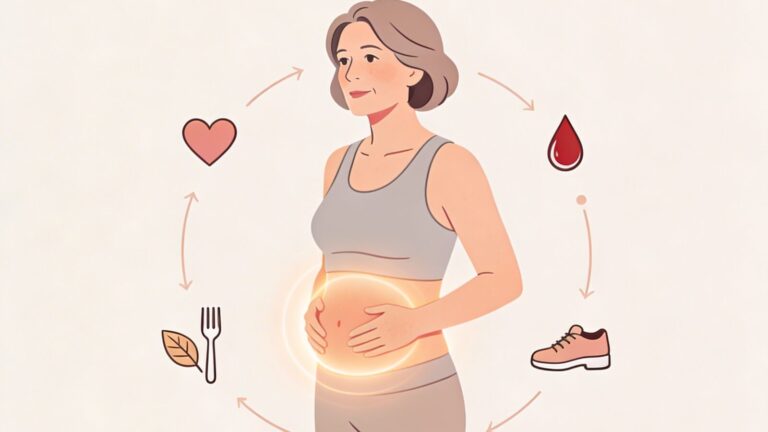

Menopause and ADHD are a messy, exhausting combination, to be honest. If you’re in your 40s or 50s and suddenly feel like your brain has stopped cooperating, you’re definitely not the only one. A lot of women hit perimenopause or menopause and notice a big shift in focus, memory, mood, and energy – and if you also have ADHD (diagnosed or not), that shift can feel less like “a bad phase” and more like a full‑blown identity crisis.
If you’d like a bigger picture of what’s going on in midlife, you may find the Menopause Guide for Women Over 45 helpful and also my ADHD diagnosis at 52.
What actually happens to our brains in menopause (hormones, brain fog and ADHD)
Menopause isn’t just about periods stopping. The years leading up to it (perimenopause) and the time after your final period are linked to big hormonal changes, especially in oestrogen and progesterone. These hormones interact with brain areas involved in memory, attention, and mood, which is why many women notice “brain fog” at midlife. When you add ADHD to the mix, it can magnify every one of those challenges.
Health organisations and menopause specialists now acknowledge that cognitive symptoms – like trouble concentrating and remembering – are common during the menopause transition, and that they are often influenced by sleep disturbance, anxiety and low mood. The good news is that for many women, these cognitive changes are not a sign of dementia, but a response to hormonal shifts, stress, and disrupted sleep.
ADHD in women: why so many are missed until menopause
ADHD in women often looks different from the stereotype of a hyperactive little boy. It can be quieter, more internal, and easier to hide. Many women grow up being called “daydreamy,” “disorganised,” “too sensitive,” or “lazy,” while secretly working twice as hard as everyone else just to keep life moving. Research shows that women with ADHD frequently report a long history of feeling misunderstood, self‑critical and unsupported before they finally receive a diagnosis in adulthood.
ADHD in adults is diagnosed based on a pattern of symptoms like inattention (easily distracted, forgetful, disorganised) and/or hyperactivity‑impulsivity (restlessness, interrupting, difficulty waiting) that started in childhood and still affect daily life. Many women only discover they have ADHD when:
- Their coping strategies stop working.
- Their responsibilities increase (career, family, caring roles).
- Or a major hormonal shift – like perimenopause – makes everything harder.
How menopause can make ADHD symptoms worse
If you already have ADHD, menopause can feel like someone turned up the volume on every symptom. Surveys and emerging research suggest that women with ADHD often experience a significant worsening of symptoms during perimenopause and menopause, especially around inattention, memory problems and emotional regulation. This can look like:
- Losing things constantly (keys, phone, glasses, you name it).
- Struggling to remember words, names or what you were about to say.
- Increased anxiety or emotional overwhelm.
- More difficulty starting tasks, especially boring ones.
- Feeling mentally “slower” or foggier.
Menopause‑related brain fog on its own can affect memory and concentration, particularly in women experiencing hot flushes, night sweats, poor sleep, or mood symptoms. When you layer ADHD on top of that, the executive function issues (planning, organisation, working memory, impulse control) can feel almost unmanageable. For many of us, this is the point where we can no longer hide how hard we’re working just to get through a normal day.
What might have been a mildly frustrating habit in your 30s can turn into a major source of resentment in your 50s.
The key is recognising that there are two real, biological processes happening: a neurodevelopmental condition (ADHD) and a hormonal transition (menopause). Once you see both, it becomes easier to move from “what’s wrong with me” to “what support and systems do we need?”
The constant chase for “something new” – and missed opportunities
One of the most painful aspects of ADHD in women is the sense of lost potential. An ADHD brain is often drawn to novelty, excitement and new ideas. That can make you creative, entrepreneurial and spontaneous – but it can also lead to:
- Starting new projects and not finishing them.
- Changing jobs or careers frequently.
- Abandoning courses, hobbies or long‑term plans.
- Staying in (or leaving) relationships impulsively.
Over time, this pattern can leave a trail of half‑finished plans and “what ifs.” Many women with late ADHD diagnoses describe looking back and seeing a consistent pattern of missed opportunities and decisions made from a place of overwhelm rather than clarity. When menopause arrives and your brain fog and anxiety increase, it can feel like your chances are running out: “If I haven’t figured it out by now, maybe I never will.”
This is where self‑compassion becomes essential. Understanding ADHD doesn’t erase those missed chances, but it reframes them. Instead of “I failed,” it becomes “I was trying to navigate life with a brain that was never supported or understood – and now I can do things differently.”
Why an ADHD diagnosis after 50 can change everything
You might wonder: “Is there even a point in getting diagnosed at my age?” The answer, for many women, is a very clear yes. ADHD diagnosis in adults involves a careful assessment of symptoms, history, and current impact on life. For women in midlife, this process often overlaps with menopause assessment, because so many symptoms can look similar on the surface: forgetfulness, mood swings, sleep problems, low motivation.
A diagnosis can:
- Give you language to describe what you’ve lived through.
- Help you separate ADHD from “personality flaws”.
- Open up treatment options (medication, therapy, workplace adjustments).
- Improve communication in your relationships (“this is how my brain works, and this is what helps”).
Research into women diagnosed in adulthood shows that many experience a strong sense of relief and self‑understanding, alongside grief for the years spent undiagnosed. That mix – relief and grief – is very normal.
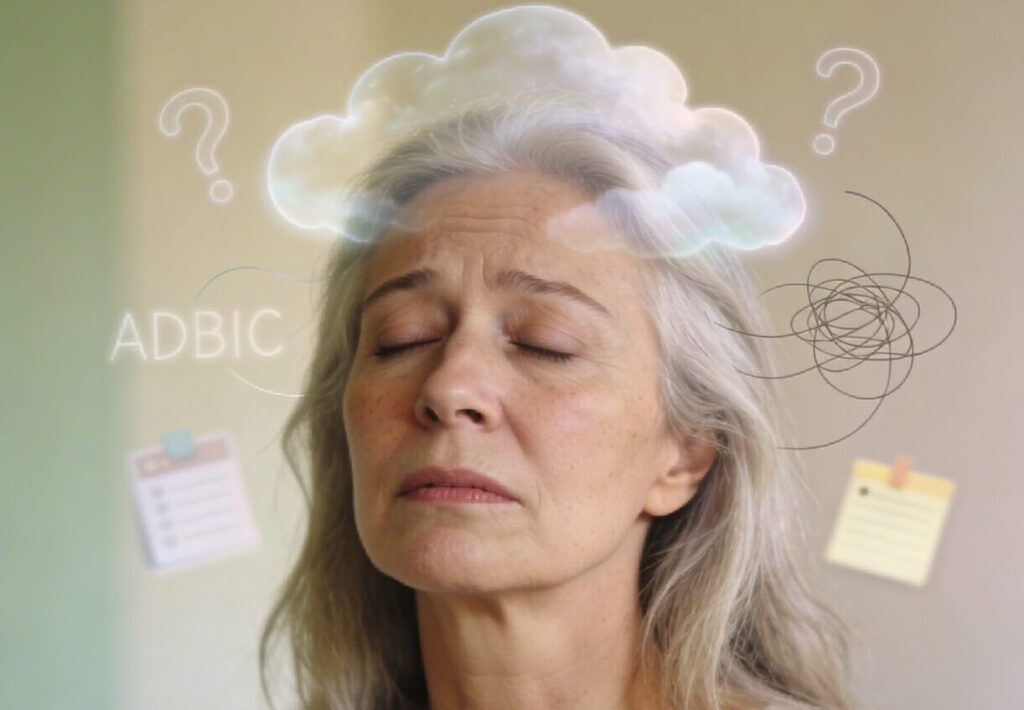
My story: when menopause and ADHD collided at 52
I am living proof of what unknown and untreated ADHD and menopause together can do to someone. I’m 54 now, and at the tender age of 52 I finally had my official ADHD diagnosis. I say “official” because all the signs were there if you knew how to look for them. In that moment, my whole life suddenly made sense – the troubles, missed opportunities, and wrong decisions. All the tension, the constant quest for something I couldn’t even name. Fifty‑two years of my life explained in a single moment. That’s exactly how it felt. Suddenly, my behaviour had a name.
Around seven years ago I started having signs of perimenopause, but at the time I had no idea. To be honest, it didn’t even cross my mind. I began having very heavy periods – super heavy – and they were affecting my daily life. My GP prescribed the pill continuously (round the clock), which meant the end of those horrendous periods every month. I was so happy: no more anaemia, no more cancelling meetings, it felt like having my life back again. Heavy menstrual bleeding like that is actually common in perimenopause and is recognised as something that should be assessed and treated.
However, the pill also meant I didn’t really notice the menopause symptoms developing in the background. Only about two years ago I stopped taking it, and because of that I don’t actually know when perimenopause ended or when menopause truly started. In a nutshell: I stopped the pill, waited for my period to come back… and it never did. I was already in menopause.
My ADHD diagnosis happened around the same time. Suddenly I started to feel very nervous, extremely anxious, and I was hit by intense brain fog. It felt like it came out of nowhere, and it was very strong. Almost overnight I began forgetting words and where I’d left my phone. Then it was my keys, appointments, feeding the dogs… and the list went on. Menopause‑related brain fog and difficulties with memory, attention, and word‑finding are common, especially when sleep and mood are also affected. For me, though, it wasn’t just menopause. My ADHD was amplifying everything.
I honestly felt lost, and at times even a bit afraid of the world around me. “Surreal” is putting it mildly. Research and surveys now show that many women with ADHD report their symptoms getting noticeably worse during perimenopause and menopause, especially overwhelm and memory problems.
These days, things are more under control. I’m on HRT, I’m post‑menopausal, and I’m slowly picking up the pieces and trying to feel more in control of my life again. Hormone therapy can be one of several options to support mood and cognitive symptoms in menopause for some women, alongside lifestyle strategies and ADHD‑specific support. This is my experience – and it’s the reason I’m so passionate about talking openly about ADHD and menopause together, so other women don’t have to wait 52 years to understand themselves.
If you recognise yourself in any of this – you are not alone. Practical next steps might include:
- Talking to a menopause‑informed GP or gynaecologist about your symptoms, including cognition, mood and heavy bleeding if that’s part of your story.
- Asking for an ADHD assessment with a clinician experienced in diagnosing adult women.
- Exploring support options: HRT where appropriate, ADHD medication, therapy, and lifestyle changes (sleep, movement, nutrition).
- Sharing resources with your partner or close family so they understand this is not “all in your head” – it’s your brain and hormones asking for support.
Your brain is not lazy. You are a woman whose nervous system and hormones have been carrying a lot, often in silence. Getting informed about menopause and ADHD together might be the first step toward finally feeling like your life – and your mind – belong to you again.
FAQs
Is brain fog during menopause normal?
Yes. Many women experience changes in memory and focus during perimenopause and menopause due to hormonal shifts, sleep disruption and mood changes. It’s common and often temporary.
Can menopause make ADHD symptoms worse?
Yes. Hormonal changes can make difficulties with focus, organisation and emotional regulation more noticeable in women who already have ADHD or were borderline before.
Why do these symptoms appear later in life?
Coping strategies that worked for years may stop being effective in midlife, when hormones change and responsibilities, stress and sleep pressures increase. That’s often when underlying ADHD or executive function issues become more obvious.
How can I tell the difference between menopause brain fog and ADHD?
The symptoms can overlap. Menopause brain fog often starts in your 40s or 50s and may fluctuate with other menopause symptoms, while ADHD usually has a longer, lifelong pattern of inattention, disorganisation and overwhelm.
Is it common to be diagnosed with ADHD in midlife?
Yes. Many women receive an ADHD diagnosis in their 40s or 50s after years of being undiagnosed or misdiagnosed with anxiety, depression or “just stress.”
What should I do if these symptoms affect daily life?
If symptoms interfere with work, relationships or your wellbeing, speaking to a healthcare professional can help clarify what’s happening and what support options are available.
Does this get better?
For many women, yes — especially with understanding, the right diagnosis, and support such as lifestyle changes, therapy, medication and, when appropriate, menopause treatment.
Disclaimer – This article is for general information only and does not replace professional medical advice, diagnosis or treatment. Always speak to a qualified healthcare professional or your GP about your own symptoms, concerns and treatment options, including HRT and ADHD medication. Never ignore, delay or change medical advice based on something you read online.
References
- NICE.org.uk – Menopause and HRT
- Menopause.org – Mental Health
- CDC.gov – ADHD Diagnosis
- Understood.org – ADHD and Older Women
- ADHD Online – How ADHD Affects Older Women Differently