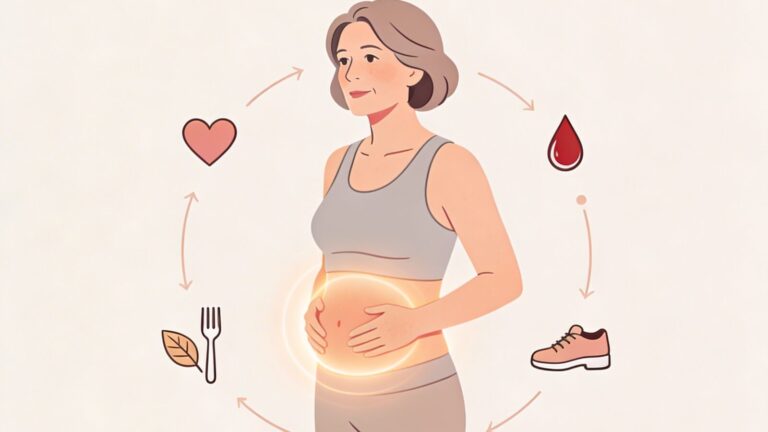
If you’ve reached perimenopause or menopause, your body is going through some truly remarkable changes. Many women are surprised to learn that gut health and probiotics for menopause play a crucial role in how we feel during this time. But there’s good news! Probiotics—those friendly bacteria often found in yogurts (Yakult!) and supplements—can help you navigate menopausal symptoms with extra resilience.
How menopause changes a woman’s body
Menopause isn’t just about hot flushes or periods stopping, as explained on Menopause Guide. It’s a hormonal change that affects almost every part of your body. With declining estrogen, you may notice:
- Bloating, irregular bowels, or a suddenly sensitive stomach
- More frequent urinary tract infections or vaginal dryness
- Mood changes, brain fog, anxiety, or sleep disturbances
- Bone thinning, skin changes, and even shifts in heart health
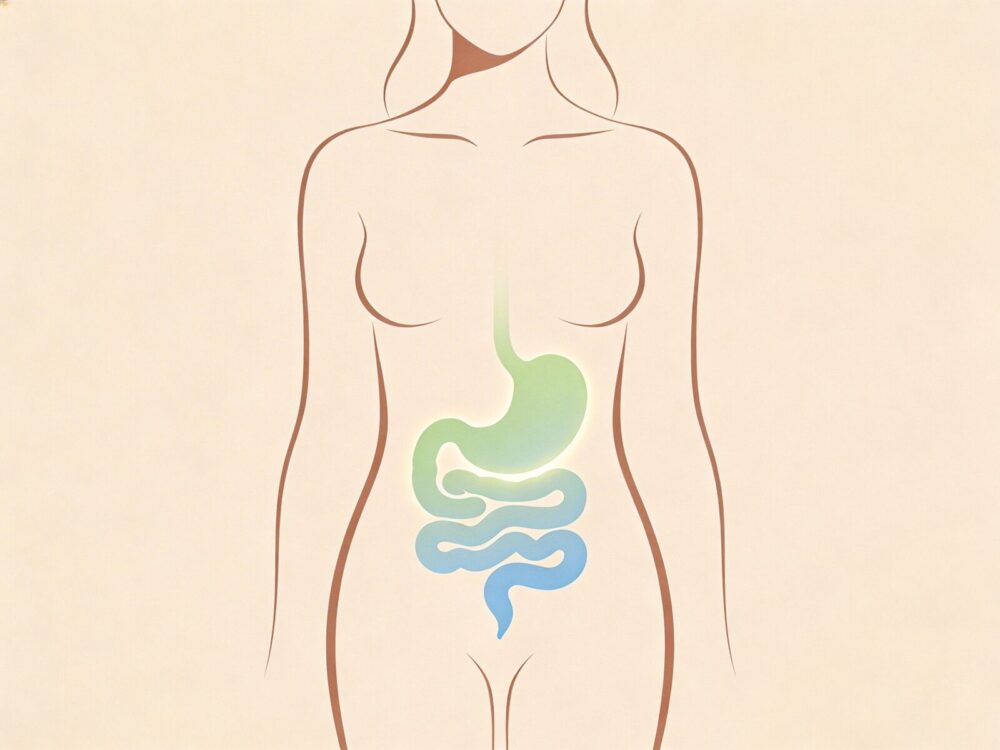
Much of this is connected to the gut and vaginal microbiomes—the communities of bacteria that live in your digestive tract and reproductive system. During menopause, the types and amounts of bacteria in these regions change, especially as oestrogen levels drop. This can mean less “good” Lactobacillus (the bacteria that help keep pH balanced, infections at bay, and inflammation down).
Why probiotics for menopause matter more than ever
Adding the right probiotics can help restore balance in both gut and vaginal flora. Here’s how they support you through menopause:
- Digestive Comfort: Reduce bloating, constipation, and gut discomfort by balancing bacteria in your intestines. A healthier gut means better nutrient absorption for bone, heart, and immune support.
- Vaginal & Urinary Health: The drop in oestrogen leads to fewer protective Lactobacillus, causing dryness, irritation, and more UTIs. Probiotics, especially those with L. rhamnosus or L. reuteri, help restore vaginal balance and guard against infections.
- Mood & Brain Health: Emerging studies suggest that certain strains can help stabilise mood, reduce anxiety, and address brain fog by supporting the gut-brain connection.
- Bone & Heart Health: Some probiotic strains can help the body absorb calcium, reduce inflammation, and support bone density, potentially lowering the risk of osteoporosis and cardiovascular changes.
- Hormonal Harmony: Healthy gut bacteria can aid in recycling and metabolising oestrogen, helping the body manage remaining hormones efficiently.
Top probiotics for menopause and what they do
| Strain | Main Benefits for Menopausal Women | Good For… |
|---|---|---|
| Lactobacillus rhamnosus HN001 | Supports gut, vaginal, and urinary health; may help with mood | Bloating, UTIs, mood swings |
| Lactobacillus acidophilus La-14 | Immunity, reduces inflammation, fights vaginal/UTI infections | Bloating, digestive, vaginal care |
| Lactobacillus reuteri 1E1 | May help reduce hot flushes and support bone health | Hot flashes, night sweats, UTIs, sleep |
| Lactobacillus crispatus | Restores vaginal pH, fights infections, may improve comfort | Vaginal dryness, UTIs |
| Bifidobacterium lactis | Enhances gut health, may help digestion | Constipation, digestion |
| Bacillus subtilis C-3102 | Improves bone mineral density | Bone health |
Remember, not all strains are equally effective for all symptoms. Many of the best menopause-focused probiotics will combine several strains for broad support.
How to choose a quality probiotic
Tips for you to pick a probiotic that’s genuinely beneficial:
- Check the Strains: Look for blends formulated for women and menopause support, with Lactobacillus and Bifidobacterium species like those above.
- Potency Counts: Search for products with at least 10 billion CFU (colony forming units) per serving—this ensures enough bacteria survive past your stomach to do their work in the gut.
- Packaging Matters: Since probiotics are alive, opt for brands that use refrigerated storage or shelf-stable packaging designed to keep bacteria potent until use.
- Acid-resistant Capsules: These help probiotics survive the harsh stomach environment so they reach your intestines intact.
- Transparency & Trust: Choose reputable brands that clearly list strains and potency, without fillers or unnecessary additives. Look for third-party testing or GMP certification for extra peace of mind.
- Clinical Evidence: The best products are backed by research and recommended by women’s health professionals. Checking resources like Cleveland Clinic, Mayo Clinic, and NHS can validate claims.
Are probiotics safe to use alongside hormone replacement therapy (HRT)?
Probiotics are considered safe to use alongside hormone replacement therapy (HRT) for menopause, with no evidence suggesting they interfere with the efficacy of HRT or pose interaction risks. Early research suggests that probiotics may complement HRT by supporting gut, vaginal and urinary microbiomes, but studies are still limited, so they should be seen as an add-on rather than a replacement. If you’re taking HRT, adding probiotics can help further balance your gut and vaginal microbiome during menopause—just be sure to discuss any new supplements with your doctor.
What to ask before buying
- Does this product include the right strains for relief from my top symptoms (gut, vaginal, mood, bone, heart)?
- Are the strains proven in studies, especially for menopausal women?
- Is the potency high enough and clearly labeled?
- Is the brand transparent about quality and storage?
- If in doubt, consult with your doctor or pharmacist, especially if you have specific medical conditions or take regular medications.
Safe use and gentle start
- Gradually introduce probiotics, starting with the lowest dose and increasing slowly. This helps your digestive system adjust.
- Take consistently for at least 2–4 weeks to notice benefits.
- Pair with a diet rich in prebiotic fiber (from plants, oats, fruit, legumes) for the best results—fiber feeds your good bacteria.
FAQs about probiotics and menopause
Can probiotics really help ease menopause symptoms?
Yes—while not a cure-all, studies show that certain strains help relieve common complaints like bloating, UTIs, vaginal dryness, and even mood swings or poor sleep.
Do probiotics help with hot flushes or night sweats?
Some strains like L. reuteri have shown benefits. Using things like cool bedding and drinking water, along with other healthy habits, can make menopause symptoms easier to manage.
Should I keep taking them long-term?
Probiotics are generally safe for healthy adults as part of regular self-care. If you notice benefits, it makes sense to continue, especially during postmenopause. Always review with your doctor for long-term use.
My experience
I’ve shared quite a bit about my own journey through menopause, having so many different symptoms and health problems, so I understand how tough it can be. Last year, I started HRT using patches and it truly helped me—while I don’t feel perfect, my symptoms became a lot easier to manage and I felt more like myself again. A couple of months ago, I wanted to see if taking probiotics could help me feel even better, so I started researching which ones to try and bought some. Since then, my digestion has improved and I don’t feel so bloated after eating.
One reason I started taking probiotics was to help with memory and concentration, both of which have been harder since menopause and with my ADHD. Reading and focusing can be quite a struggle—sometimes, I have to reread a page several times just to remember the information. I’ll share more about whether probiotics help with focus as I keep trying them.
If you’re thinking about start taking probiotics, my advice is to do your research. There are many kinds, and it can be confusing at first. But when you learn about the different strains and what they do, picking the right one gets easier and it’s worth spending a bit of time to make the best choice for you.
Probiotics are an easy way to help your body stay healthy, starting from your gut—and when chosen wisely, can ease the transition and support your immune system. Always remember—listen to your body and consult reliable sources for information.
Disclaimer: This article offers general information and should not replace medical advice. For personal recommendations, especially if you have medical conditions or take medications, please consult your doctor.
References
- Cleveland Clinic – “How to Pick the Best Probiotic” (2022)
- Healthline – “Can Probiotics Help Manage the Symptoms of Menopause?” Novella Lui, RD, MHSc (2023)
- U.S. National Library of Medicine (NIH) – “Probiotics and Prebiotics: Any role in menopause related diseases?”
- IPA – “Probiotic Supplements – What is an adequate dosage?” Clare Fleishman MS RDN (2021)