
You’re not crazy – it might be a midlife crisis
If you’ve found yourself thinking, “Is this it? Is this my life now?” more often lately, you’re not alone. Whether it feels like a midlife crisis or menopause (or a messy mix of both), it isn’t just something that happens to men who suddenly buy sports cars and grow a ponytail; women go through it too, but our version is usually quieter, more invisible and deeply tangled up with hormonal changes.
For many of us, the hormonal chaos of perimenopause and menopause lands at the exact same time as all the “big life” stuff: children leaving home, ageing parents, relationship problems, health scares, career burnout and that heavy list of projects and dreams we never quite got to. No wonder so many midlife women feel lost, unseen and as if they’re coming apart inside.
Midlife Crisis or Menopause? How it shows up in women
If you always thought a midlife crisis meant a younger girlfriend and a motorbike, it’s worth redefining it from a female point of view. For women, it often feels less like drama and more like a slow, simmering discontent that’s hard to name.
Common signs women describe include:
- Feeling emotionally flat, disconnected or dissatisfied with a life that looks “fine on paper”.
- A massive urge to change things – job, relationship, where you live – without being sure what you actually want instead.
- Grief and regret over how some parts of life turned out (career, love, family, creativity), or over things that never happened.
- Obsessively reviewing the past and thinking, “If only I had…”.
- Anxious awareness that time is passing, which can show up as panic about ageing, health and “running out of time”.
- Changes in sleep, energy, libido and mood that make everything feel harder to cope with.
Many of us also carry what psychologists call “crossover stressors” – caring for children and parents, working, running a home and dealing with hormonal shifts – all at once. That’s a perfect storm for crisis.

Midlife Crisis or Menopause: the hormonal amplifier
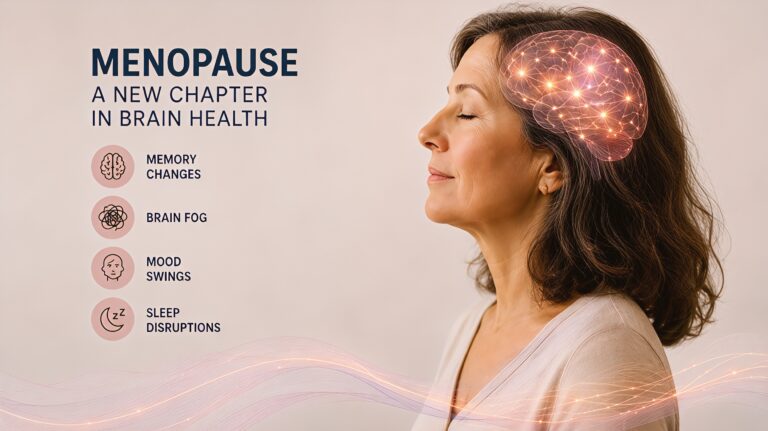
Now layer menopause on top of all of that. As oestrogen and progesterone fluctuate and eventually drop, they affect brain chemicals such as serotonin, dopamine and GABA, which help regulate mood, sleep and anxiety. That’s why perimenopause and menopause are linked to a higher risk of low mood, anxiety, irritability and even more serious mental health issues in women who are already vulnerable.
Research suggests that:
- Midlife and the menopausal transition are key windows when women’s mental health can wobble, especially if there’s a history of things like postnatal depression or premenstrual mood problems.
- Some women in perimenopause are more likely to experience significant mood disorders, including depression and bipolar symptoms, compared with other stages of life.
- Mood symptoms can range from crankiness and sadness to clinical depression or anxiety, and they often appear alongside hot flushes, sleep problems and brain fog.
So if you feel like every regret, every unfinished project and every old wound suddenly feels bigger and heavier, that’s not “just in your head”. Hormone shifts can act like a spotlight on parts of your life that already felt fragile, and they can make it much harder to bounce back from stress.
Unfinished projects, broken relationships and old grief
Midlife has a way of putting everything under review. That half‑written book in your drawer, the business you never launched, the degree you didn’t finish – they can suddenly feel like personal failures rather than ideas that just didn’t happen (yet).
Add to that:
- Relationships that didn’t work out, or marriages that feel lonely and disconnected.
- Friendships that faded while you were raising children or pouring yourself into work.
- Losses you never had time to fully grieve – parents, siblings, friends, pregnancies, your younger self.
Many therapists who work with midlife women say they hear the same questions over and over: “Who am I if I’m not needed as a mum all the time?” “Did I waste my life?” “Is it too late to start over?” When hormones are steady, we might sit with those questions and explore them; when we’re sleep‑deprived, sweaty at 3 a.m. and crying at adverts, they can feel catastrophic.
The important thing to remember is that revisiting old pain at this stage is common, and it doesn’t mean your life is over. It often means your brain is trying to make sense of your story so far and decide what you want the next chapters to look like.
Empty nest, changing roles and feeling invisible
For a lot of women, midlife crisis hits right when the last child leaves home or becomes more independent. “Empty nest syndrome” isn’t just about missing the kids; it’s about a sudden identity vacuum. If you’ve spent years being “Mum”, the silence of the house can feel like losing part of yourself.
At the same time, society has a nasty habit of making middle‑aged women invisible. Many women describe this as a “menopause load”: the emotional labour, caregiving and physical symptoms we carry, on top of feeling sidelined at work and in public life.
That combination – empty nest, shifting roles, menopause symptoms and ageism – is a perfect recipe for feeling unseen, forgotten and misunderstood. It’s not that you’re suddenly less valuable; it’s that the world is not great at valuing older women, and you’re noticing it more now.
Midlife Crisis or Menopause: Health changes that mess with your head
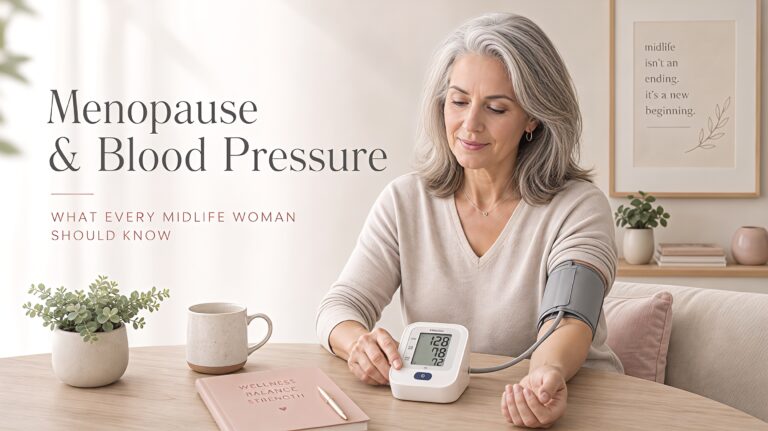
Midlife is also when many of us start dealing with real health issues for the first time – not just the odd cold or sprained ankle. Blood pressure creeping up, joint pain, new diagnoses, mysterious fatigue, and of course the greatest hits of menopause: hot flushes, night sweats, weight changes, vaginal dryness, low libido, brain fog and sleep problems.
These symptoms are not “just cosmetic”. They can seriously affect mental health:
- Sleep disruption on its own can increase the risk of anxiety and depression and make it harder to cope with everyday stress.
- Chronic pain and fatigue can lead you to withdraw from social life, hobbies and movement – all things that usually protect mood.
- Dramatic changes in body shape or weight can trigger old body image issues or even eating disorders, particularly in women who struggled with them before.
Many women of menopausal age have higher rates of mood disorders, and a lot of them don’t realise menopause could be involved until they reach a crisis point. This is why it’s so important to join the dots between mental health and hormonal health, instead of treating them as separate problems.
The pressure to stay slim, ageless and “on it” at work
On top of everything else, midlife women are swimming in pressure from all sides. Our culture still worships youth, especially in women, and that doesn’t magically stop when you turn 45.
You might feel constant pressure to stay slim, toned and “young‑looking”, even when your hormones are encouraging your body to soften and store more weight. Guilty that you don’t look like those 50‑year‑old celebrities with personal chefs and trainers or afraid that looking “old” will affect your career, your relationship or how seriously people take you.
At work, expectations are often brutal. Many women are at the peak of their career in midlife, holding senior roles, pushing for promotions or working in demanding jobs just as their brain fog, anxiety and hot flushes kick in. Yet workplace support for menopause and midlife mental health is still patchy, and stigma is rife.
It’s no surprise that confidence takes a hit. A lot of women describe feeling like a shadow of their former selves, even when, from the outside, nothing huge has changed.
Is it a midlife crisis, menopause, or mental health?
Often, it’s a messy mix of all three. Perimenopause and menopause can:
- Lower your baseline resilience, so normal life stressors feel overwhelming
- Expose old cracks in your relationships and work situation
- Magnify existing mental health conditions, like anxiety or depression
At the same time, genuine midlife questions – “Do I even want this marriage?”, “Is this career worth my health?”, “What do I want from the rest of my life?” – are valid and important. A crisis can be both hormonal and existential.
If you’re wondering whether what you’re feeling is “normal” or something more serious, a useful rule of thumb is this: if your mood or anxiety symptoms interfere with your ability to function and last more than a couple of weeks, it’s time to seek help.
Midlife Crisis or Menopause: Things that can actually help
The goal isn’t to “fix” yourself back to who you were at 30. The goal is to support your current self – hormones, history, grief, dreams and all – so you can move through this phase with less chaos and more compassion. A few evidence‑based strategies you can explore:
- Get proper medical support
Speak to your GP, a menopause‑trained doctor or gynaecologist about your symptoms. Ask directly about perimenopause or menopause and how they might be affecting your mental health. Depending on your situation, options might include hormone replacement therapy (HRT), antidepressants, or other medications to help with sleep and anxiety. - Look after your brain (and body) basics
Regular movement, a balanced diet, limiting alcohol and prioritising sleep are not magical cures, but they genuinely help regulate mood and hormones. Even short daily walks, gentle strength work or stretching can make a difference when done consistently. - Therapy and emotional support
Cognitive behavioural therapy (CBT), counselling or other forms of talking therapy can help you untangle regrets, grief and identity questions, while also giving you tools to handle mood swings and anxiety. Group or online support with other midlife women can be a lifeline – there’s something very healing about hearing “me too”. - Re‑writing your story on purpose
Midlife crisis can also be a midlife awakening. Many women use this time to finally prioritise their own needs, set boundaries, change careers, leave unhealthy relationships or start long‑postponed projects. That doesn’t mean you have to blow up your life; even small, intentional changes can shift how you feel day to day. - Challenge the “shoulds”
Part of the crisis comes from realising how many of our choices were driven by what we thought we “should” do. Working with a therapist, coach or trusted friend to question those assumptions can open up space for a more authentic, values‑based midlife.
If suicidal thoughts, self‑harm urges or very dark thoughts appear, treat that as an urgent mental health issue, not “just hormones”. Reach out to your doctor or local emergency/helpline services straight away.
Midlife Crisis or Menopause: You are not alone
One of the most painful parts of a midlife crisis is the feeling that everyone else is coping fine and you’re somehow failing at adulthood. In reality, a huge number of women between roughly 35 and 55 experience midlife crisis‑type feelings linked to life transitions and hormonal shifts.
Most of us just don’t talk about it openly. We joke about hot flushes and forgetfulness instead of saying, “I feel like my whole life is up for review and I’m scared.” But there is nothing shameful about struggling in this phase. It’s not a personal failure; it’s a combination of biology, biography and a society that doesn’t yet fully support midlife women.
If you’re in the thick of it right now, please hear this: it’s common, it’s understandable, and with the right support, this can be a turning point rather than the end of the road. Your story is not finished, and you are allowed to take up space – emotionally, physically and professionally – at any age.
References
- HelpGuide.org – What is a midlife crisis
- National Library of Medicine – Women’s midlife health: why the midlife matters
This article is for information and support only and is not a substitute for professional medical advice, diagnosis or treatment. It reflects my personal views and experiences, combined with reputable sources, but your situation may be different. Always speak to your GP or another qualified healthcare professional about any physical or mental health symptoms, and never ignore or delay seeking medical advice because of something you’ve read online. If you ever feel unsafe, at risk of harming yourself or others, or unable to cope, please seek urgent help from your local emergency services or crisis support.