
If you’re over 45 and wondering, can menopause make hypermobility worse, you’re not imagining it — many women say yes, especially during the hormonal rollercoaster of perimenopause.
For many, this stage marks a turning point: more pain, more fatigue, and joints that feel less reliable than they used to.
A quick refresher – what is hypermobility?
Hypermobility simply means your joints move beyond the normal range for most people. Maybe your knees straighten “past straight”, your elbows look a bit inside‑out in photos, or you’ve always been able to fold yourself in half in yoga.
Some women are just naturally flexible and never have major problems. Others have conditions like Hypermobility Spectrum Disorder (HSD) or Hypermobile Ehlers–Danlos syndrome (hEDS), where there’s a deeper issue with collagen and connective tissue. Common signs can include:
- Frequent sprains, subluxations or “giving way” joints.
- Widespread pain or fatigue that seems out of proportion to your activity.
- Digestive issues, dizziness, or pelvic floor problems alongside the bendy joints.
If you’ve noticed these things becoming more of an issue as you’ve moved into your 40s and 50s, it’s very reasonable to wonder whether hormones are part of the picture.
What actually happens to hormones in menopause?
Menopause isn’t one single moment; it’s a transition.
- Perimenopause is the long run‑up, when oestrogen and progesterone start to fluctuate wildly. You might still be having periods, but your cycle and your symptoms feel less predictable.
- Menopause is the point when you’ve gone 12 months without a period. After that, you’re officially post‑menopausal and hormone levels are low but more stable.
Oestrogen does a lot more than control your cycle. It has receptors in bone, muscle, ligaments and joint tissues. It helps:
- Support bone density.
- Regulate inflammation in joints and muscles.
- Maintain cartilage and joint lubrication.
- Influence collagen turnover and tissue elasticity.
When oestrogen levels swing up and down – or drop and stay low – it makes sense that joints and connective tissue might feel different, especially in bodies that are already on the stretchy side.
Can menopause make hypermobility worse? What the evidence says
There isn’t a single big Harvard or Oxford trial that answers this in one neat sentence, but we do have some important pieces of the puzzle.
- Studies of women with hEDS and HSD have found that many report worsening symptoms around major hormonal events like puberty, pregnancy and menopause.
- In one cohort of 386 women with hEDS, more than half of those who had gone through menopause reported that their symptoms worsened during or after the transition.
- Hypermobility organisations and clinicians, including the Hypermobility Syndromes Association and specialist clinics, consistently hear that perimenopause is a common trigger for increased pain, joint instability and fatigue.
- Mayo Clinic notes that hormonal shifts, particularly progesterone and oestrogen changes across the menstrual cycle, can affect ligament laxity and symptoms in women with hypermobility.
At the same time, research in the general population (where hypermobility isn’t always measured) shows that menopause is linked with increased musculoskeletal pain, osteoarthritis and stiffness. Put those findings together, and it’s understandable that many hypermobile women feel “hit harder” by midlife hormones.
So while scientists are still piecing together the exact mechanisms, the lived experience and the emerging data point in the same direction: yes, menopause can make hypermobility symptoms worse for many women, especially during perimenopause.
Why perimenopause often feels worse than post‑menopause
If you talk to other midlife women with hypermobility, a pattern often emerges: the perimenopause years feel like chaos, and then things sometimes settle a little once periods stop.
Here’s why that might happen:
- Hormone swings: Perimenopause is all about fluctuation, not a steady decline. Oestrogen and progesterone levels can spike and crash from month to month, and this instability may affect connective tissue and inflammation.
- Ligament laxity: Progesterone and other hormones can loosen ligaments in the second half of the menstrual cycle, and women with hypermobility often notice more instability in the days before a period. Mayo Clinic has highlighted this effect around the menstrual cycle in hypermobile women, and similar mechanisms are likely at play during perimenopause.
- Nervous system load: Sleep problems, hot flushes, mood changes and anxiety all ramp up the nervous system and can amplify pain signals.
Post‑menopause, oestrogen stays low but more stable. Some women with hEDS and HSD say that once they’re through the transition, symptoms become easier to predict, and a small group even report some improvement. That doesn’t mean everything magically goes away, but the wild swings ease off, which can make it simpler to plan movement, rest and treatment.
How might menopause worsen hypermobility symptoms?
Let’s break down what many women notice happening to their bodies in midlife.
1. More joint pain
Joint and muscle pain are among the most common menopause complaints, even in women without hypermobility. When oestrogen falls, joints may become more prone to inflammation, and cartilage can lose some of its protective qualities.
Add in hypermobility, and you have joints that are already working harder to stay in line. Small instabilities can mean repeated micro‑injuries and extra strain on the surrounding muscles and tendons, which can increase pain.
2. Greater joint instability
Many hypermobile women report that their joints feel looser or more unreliable around hormonal shifts – for example, before a period, during pregnancy or in perimenopause. Changes in oestrogen and progesterone seem to affect ligament stiffness and muscle control.
During perimenopause in particular, that may show up as:
- Ankles that roll more easily.
- Knees or hips that feel wobbly on stairs or hills.
- Joints that subluxate doing very ordinary tasks.
3. More fatigue and slower recovery
Fatigue is a classic hEDS/HSD symptom, and it’s also a very common menopause symptom in the general population. Poor sleep, temperature changes at night, and mood shifts all pile on, making it harder for your body to recover from everyday activity.
If your joints already needed strong muscles and good control to stay safe, and now your muscles are tired and you’re not sleeping well, it’s no surprise that everything feels harder.
4. Bone and muscle changes
Lower oestrogen speeds up bone loss and contributes to sarcopenia – the loss of muscle mass. Weaker bones and less muscle support mean more load on your ligaments and joint capsules, which is not ideal when you’re hypermobile.
Clinicians sometimes describe a “musculoskeletal syndrome of menopause”: aching joints, tendon irritation and slower healing, even without big injuries. For hypermobile women, that baseline shift can turn manageable symptoms into something that interferes with daily life.
Does HRT fix it?
Many of us are told that Hormone Replacement Therapy (HRT) – also called Menopausal Hormone Therapy (MHT) – might help joint pain. The reality is a bit more complicated.
Research in the general population suggests:
- Oestrogen therapy can improve some joint pain symptoms in a subset of women, but results are mixed overall.
- HRT clearly supports bone density and can help with hot flushes, sleep and mood, which indirectly improves quality of life.
In hEDS and HSD, evidence is limited, but:
- A study of women with hEDS found that symptom patterns around menopause were varied: some worsened, some stayed the same, and a minority improved, including those using HRT.
- Clinicians who work closely with hypermobile women suggest that stabilising hormones (either naturally after menopause or via HRT in selected cases) may help some people, but it doesn’t “cure” the underlying connective tissue differences.
In other words, HRT may be one useful tool – especially if you also have severe hot flushes, sleep disruption or early menopause – but it isn’t a guaranteed solution for hypermobility symptoms, and it’s not suitable for everyone.
This is where a good, menopause‑literate doctor or clinic really matters. They can look at your full health picture, your family history and your risk factors, and help you weigh up whether HRT is worth trying for you personally.
Practical ways to support a hypermobile body in menopause
Whatever you decide about hormones, there are plenty of things you can do to feel more stable and in control of your body.
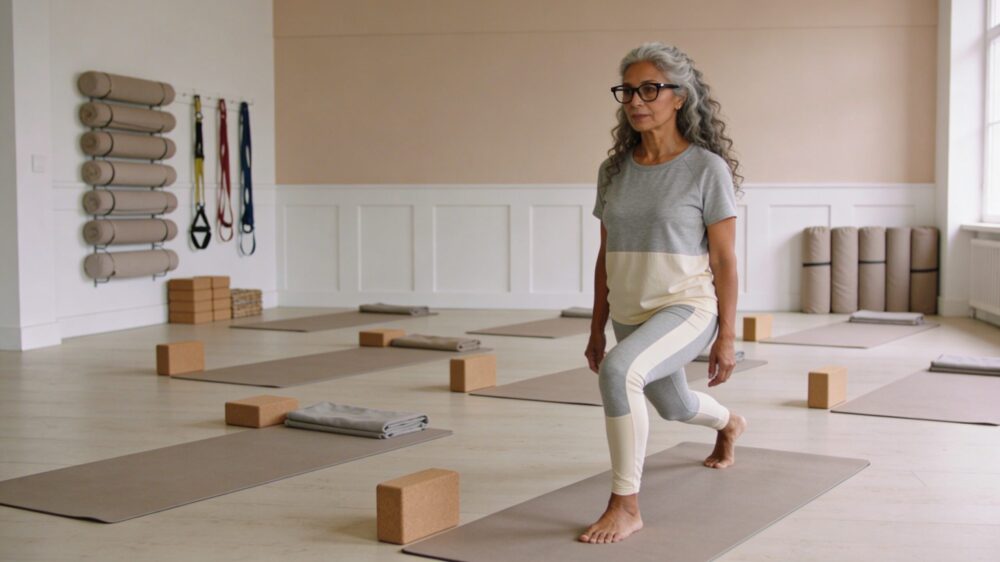
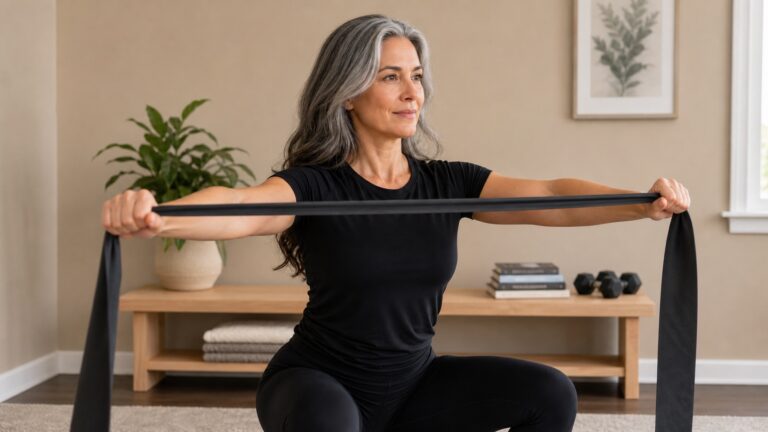
1. Prioritise strength training (done your way)
Muscle is protective: it acts like an active brace around your joints. In midlife, strength training becomes even more important because we naturally lose muscle mass faster.
For hypermobile women:
- Focus on slow, controlled movements, not fast, bouncy ones.
- Stay a little short of your extreme ranges instead of “locking out” joints.
- Start light, pay attention to technique, and build up gradually.
If possible, work with a physio or trainer who understands hypermobility and menopause, so you’re not pushed into unsafe positions or over‑stretched in every session.
2. Keep moving, but pace yourself
It’s tempting to give up when everything hurts, but complete rest usually makes things worse. Gentle, regular movement helps your joints, circulation, mood and sleep.
At the same time:
- Avoid the “boom and bust” cycle of doing loads on good days and then collapsing for days afterwards.
- Break tasks into smaller chunks with rest breaks in between.
- Notice if there are times in your cycle or month when you’re more vulnerable to instability, and plan around those when you can.
3. Be gentle with stretching
Many of us were told our whole lives that stretching is always good, especially if we’re flexible. Hypermobile bodies are different: the problem is rarely “too tight joints”, it’s usually joints that move too far and muscles working overtime to protect them.
Instead of deep, long-held stretches:
- Try small, comfortable ranges of motion that keep you well within your control zone.
- Be cautious in yoga or dance classes where you’re praised for going further than everyone else – that doesn’t mean it’s safer for your joints.
4. Protect sleep and nervous system
Sleep is when your body does a lot of repair work. If menopause is disturbing your nights with hot flushes, night sweats or restless legs, your pain threshold naturally goes down.
Ideas that can help:
- Talk to your doctor about options for managing hot flushes and night sweats, whether that’s HRT or non‑hormonal medication.
- Keep a regular bedtime routine, dim the lights, and avoid doom‑scrolling in bed.
- Explore simple nervous‑system‑soothing tools like breathing exercises, gentle stretching before bed or very short guided relaxations.
5. Nourish your bones and muscles
You don’t have to eat perfectly, but some basics really do help:
- Aim for enough protein spread through the day to support muscle maintenance.
- Make sure your calcium and vitamin D intake are adequate for bone health.
- Focus on mostly whole foods, with plenty of colourful plants, healthy fats and hydration, which support overall inflammation levels.
When should you seek extra help?
You deserve to be taken seriously. Please don’t wait until you’re at breaking point.
Consider seeing a GP, rheumatologist, menopause specialist or a clinic familiar with EDS/hypermobility if:
- Your pain is severe or widespread and not easing with simple measures.
- You’re having frequent sprains, subluxations or falls.
- You’ve noticed red flag symptoms such as unexplained weight loss, fevers, night pain, or neurological changes.
- There’s a strong family history of hypermobility, early osteoporosis or related conditions.
A good clinician can help you:
- Explore whether HSD or hEDS might explain your symptoms.
- Check your bone density and cardiovascular risk.
- Decide whether HRT, other medications, or targeted physio could form part of your plan.
The important thing to remember is that nothing about this means your body is “failing” or that you’ve suddenly become fragile beyond repair. It just means the support systems your joints and connective tissue relied on are changing — and your approach might need to change with them too.
With the right mix of understanding, pacing, (and sometimes medical help), it really is possible to find a new baseline that feels more steady again. It might not look like your 30s — but it can still feel like you, just with a bit more care built in.
And if this is where you are right now — you’re not doing anything wrong. Your body is just asking for a different kind of support.
Disclaimer – The information on Silverlocks is for general educational purposes only and is not a substitute for personal medical advice, diagnosis or treatment. It is based on current evidence and my own experience as a woman post menopause who has Hypermobile Ehlers–Danlos syndrome (hEDS), but I am not your doctor. Always talk to a qualified healthcare professional about your own symptoms, medications and treatment options, especially before starting or stopping any therapy or exercise programme. Never ignore professional medical advice because of something you have read on this site.
I’ve included some research and trusted resources below if you want to go a bit deeper or read the science behind this. I’ve also drawn on clinical information and the experiences shared by hypermobile women and menopause specialists, because this is one of those areas where lived experience really matters too.
References
- National Library of Medicine – Gyneacologic symptoms in 386 women with hypermobility type ehlers-danlos syndrome
- NIH – Slowing Sarcopenia And Keeping Your Muscles Healthy as You Age
- Hypermobility Association – An overview of key sex hormones and their interactions with hypermobility