If you are in perimenopause or menopause and finding that weight has become harder to manage than ever before, you are not imagining it. Falling oestrogen changes the way your body handles blood sugar and stores fat — often in ways that diet and exercise alone cannot fully reverse.
A new generation of weight loss injections is now giving some women in midlife a medically supported option. This page is your starting point for understanding what these medicines are, what they can and cannot do, and whether they might be worth discussing with your doctor.
Why Menopause Makes Weight So Difficult
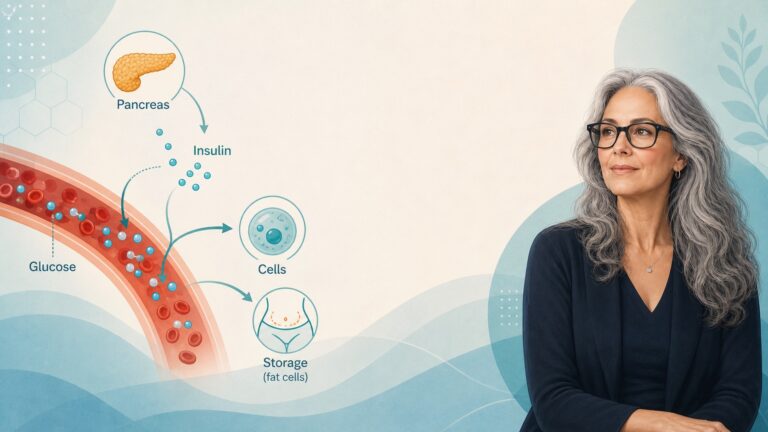
The hormonal changes of perimenopause and menopause affect your metabolism in ways that go far beyond “eating less and moving more”. When oestrogen falls, cells can become less sensitive to insulin, the hormone that manages blood sugar. This state — called insulin resistance — encourages your body to store fat, particularly around the abdomen, even when you are eating well and exercising regularly.
For women who already carry excess weight, or who have developed other metabolic risk factors such as high blood pressure or prediabetes, these changes can reach a level where lifestyle changes alone are not enough. That is the gap that weight loss injections are designed to fill — not as a shortcut, but as a medically supervised tool that works alongside diet, movement and, where appropriate, hormone therapy.
What Are Weight Loss Injections?
Most weight loss injections currently in use belong to a class of medicines called GLP-1 receptor agonists. GLP-1 is a hormone your gut produces naturally after eating. It tells your pancreas to release insulin, slows down digestion and signals to your brain that you are full. GLP-1 medicines mimic or boost this effect, helping your body manage blood sugar and appetite in a more balanced way.
They are given as a once-weekly injection under the skin — usually in the abdomen, thigh or upper arm — and are available on prescription only.
They are not suitable for everyone and should always be used with proper medical support.
The Injections Available Right Now
There are two GLP-1 based medicines currently licensed and widely available in the UK and many other countries:
Ozempic and Wegovy (Semaglutide)
Semaglutide was the first GLP-1 medicine to become widely known for weight loss. Ozempic is the version licensed for type 2 diabetes; Wegovy is the version licensed for weight management. Both contain the same active ingredient but at different doses. Clinical trials showed average weight loss of around 13–15% of starting body weight with Wegovy. For menopausal women specifically, emerging research suggests semaglutide can improve insulin sensitivity and support meaningful weight loss — and may work even better when combined with HRT.
Read our full article: Does Ozempic Help With Menopause Weight Gain?
Mounjaro (Tirzepatide)
Mounjaro works on two hormonal pathways (GLP-1 and GIP) instead of one, which is why it tends to produce greater weight loss — around 20–23% of starting body weight in clinical trials. It is licensed for both type 2 diabetes and weight management. For postmenopausal women, early data suggest strong results, with some evidence that combining Mounjaro with hormone therapy may enhance weight loss further.
→ Full article on Mounjaro and menopause — coming soon
Retatrutide (In Clinical Trials — Not Yet Available)
Retatrutide is an experimental triple-action drug targeting three gut hormones simultaneously. Phase 3 trial data showed weight loss of close to 28% of starting body weight at the highest dose. It is not yet approved anywhere and is only available in a research setting. It is worth knowing about for the future, but not something your GP can prescribe today.
Who Might Be a Candidate for Weight‑Loss Injections?
These medicines are not for everyone, and they are not designed for women who simply want to lose a modest amount of weight or reshape their body after menopause. To be prescribed them, you generally need to meet clear medical criteria:
- A BMI of 30 or above (obesity), or
- A BMI of 27 or above plus at least one weight-related health risk such as type 2 diabetes, high blood pressure or high cholesterol
- No medical history that contraindicates their use (such as pancreatitis or certain thyroid conditions)
- A commitment to lifestyle changes alongside the medication
If your weight is within a healthy range but you are bothered by a shift in shape — more belly fat, a thicker waist — hormone therapy, resistance training and a higher-protein diet are usually more appropriate first steps. A conversation with your doctor is always the right place to start.
What to Ask Your Doctor
If you think weight loss injections might be relevant for you, go to your appointment prepared. These are useful questions to raise:
- Could insulin resistance be contributing to my weight gain? Can we test for it?
- Do I meet the BMI or health-risk criteria for a GLP-1 medicine?
- Would HRT be appropriate for me, and could it be used alongside a weight loss injection?
- What monitoring would I need if I were prescribed one of these medicines?
Silverlocks Articles on Weight Loss Injections
This page is the hub for all our content on weight loss injections and menopause. As new medicines emerge and new research is published, we will add detailed articles here. Use the links below to go deeper on each topic:
Disclaimer — This page is for information only and does not constitute medical advice. Always consult your GP or a qualified healthcare provider before starting, stopping or changing any medicine. You should never alter any treatment because of something you have read on Silverlocks or any other website.