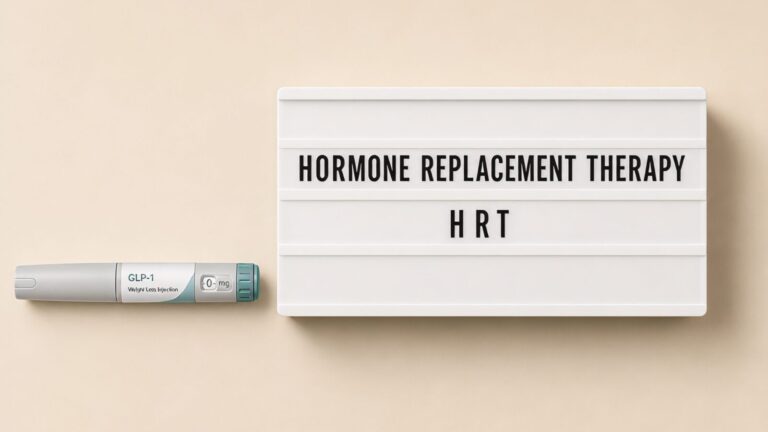

If you’re in menopause or perimenopause and feel you’ve genuinely tried everything – from careful eating to regular movement – yet your weight still will not shift, you’re definitely not alone. In some midlife women, underlying issues such as insulin resistance, type 2 diabetes or obesity make weight loss particularly difficult, and that’s when a prescription treatment like Wegovy may be discussed with a doctor as part of a wider medical plan.
In that situation, understanding Wegovy Side Effects During Menopause becomes just as important as knowing how much weight you might lose, because your body is already navigating big hormonal changes.
Explore other articles on our Menopause Guide and our Weight-Loss Injections Guide, so you can explore both your hormonal health and medication options before deciding what feels right for you.
Why midlife women are turning to Wegovy
During perimenopause and menopause, hormones shift, metabolism slows and weight seems to creep up even when nothing else has changed. Hot flushes, insomnia, mood swings and joint aches can make exercise harder and comfort eating more tempting, so it’s no surprise many women start gaining weight and struggle to lose it.
Wegovy (semaglutide) is a GLP‑1 medication that helps regulate appetite and blood sugar, and clinical trials show significant weight loss in adults with obesity or overweight. For women in midlife, that can feel like a “reset button” for weight that hasn’t shifted in years – but it also brings its own side effects you need to understand.
What to expect from common side effects
Most people have heard that Wegovy can cause tummy issues, and that’s true. The main side effects are digestive: nausea, vomiting, diarrhoea, constipation, bloating and stomach pain. These effects often show up when the dose is increased, and they usually settle after a few weeks as your body adjusts.
Other reported side effects include headaches, fatigue and dizziness. Some people also notice changes in appetite that feel quite extreme at first – suddenly feeling full very quickly, or having far less interest in food. If you already live with menopause‑related tiredness, brain fog or gut issues, these side effects can feel more intense, which is why it’s so helpful to know they are common and usually short‑lived.
When we talk about Wegovy Side Effects During Menopause, we’re really looking at how these “standard” side effects land in a body that’s already going through hormonal change. That context matters just as much as the drug itself.
Perimenopause and Wegovy: why the timing matters
Perimenopause is the long, often messy phase before your periods finally stop, when hormones swing up and down rather than simply dropping. Insulin resistance, cravings, bloating and sleep changes are already common in this stage, and Wegovy works on some of those same pathways by calming appetite and smoothing out blood sugar swings.
For many women, that’s good news. Less snacking, steadier energy and more control around food can feel like a huge relief. But it also means side effects can feel different to those in younger women, simply because your baseline is more sensitive. Some women report stronger nausea and fatigue in the first few weeks, or notice constipation is worse because their digestion was already slower.
Others notice body changes like brief spotting or breast tenderness. These may be linked to shifts in weight and stored oestrogen rather than Wegovy directly changing hormone levels, but they’re still worth noting and mentioning to your clinician so they can see the full picture.
Digestive symptoms: practical ways to cope
The digestive side effects are the ones most talked about, and they’re often the reason some people stop treatment. Nausea is the big one: many women describe feeling queasy after injections, especially on dose‑up weeks, and some have occasional vomiting. Constipation and diarrhoea can also appear, sometimes in waves as your gut adjusts to slower stomach emptying.
In menopause, when constipation and reflux may already be part of the picture, Wegovy can amplify those problems if you’re not proactive. The good news is that small, simple changes often help:
- Eating smaller meals more slowly rather than big portions.
- Choosing gentler, lower‑fat foods on injection days.
- Drinking enough water to keep things moving.
- Keeping fibre steady, rather than swinging between very low and very high.
It also helps to pace your dose increases and listen to your body. If a dose step leaves you feeling very unwell, talk to your doctor about holding that dose for longer or stepping back slightly so your system has time to settle.
Menopause symptoms, mood and energy
Menopause brings its own emotional weight: irritability, anxiety, low mood and a sense that your old coping tools don’t work as well anymore. Adding Wegovy into the mix can create extra shifts, not only physically but mentally.
Some women report changes in mood, including feeling flat or more tearful, especially in the early weeks.
Rapid weight loss or a very reduced appetite can sometimes make fatigue and irritability worse at first, because your body is adjusting to less energy intake. If you are already taking HRT or antidepressants, it can be hard to tell which treatment is behind a new symptom, so it helps to track your mood week by week once you start the injections.
If you feel unusually low, numb or anxious, reach out to your doctor promptly. They may slow the dose, adjust timing, or review your overall treatment plan. Changes like this are not a sign you’ve failed – they’re simply part of finding a way of using Wegovy that respects both your body and your life.
Bone health, muscle and long‑term wellbeing
One of the more subtle concerns for menopausal women is bone and muscle health. Lower oestrogen can lead to bone thinning, and many women notice they lose muscle more easily and recover less quickly from exercise. Wegovy is very effective at weight loss, but the weight you lose can include both fat and lean tissue, and that needs careful attention in midlife.
Emerging data suggest that postmenopausal women may see bigger changes in bone markers during rapid weight loss, which means bone care should be part of any Wegovy plan. In practical terms, that means prioritising resistance training, protein intake, vitamin D and calcium, and not chasing very fast loss just because the scale finally starts moving.
It’s easy to focus only on nausea or constipation, but long‑term effects like bone strength and muscle loss are just as important. A slower, steady approach supported by movement and good nutrition tends to protect your health far more than aggressive dieting alongside injections.
Using Wegovy with HRT
Many midlife women considering Wegovy are already on hormone replacement therapy (HRT) for hot flushes, mood, sleep and bone protection. The good news is that Wegovy doesn’t directly act on oestrogen receptors, and current evidence doesn’t show that it stops HRT from working. Most of the time, they can be used together under medical guidance.
That said, combining medications always needs careful oversight. Wegovy can cause nausea, vomiting and diarrhoea, which may affect how well you absorb oral medicines if symptoms are severe.
As you lose weight, your HRT dose may also need review, because body weight can influence how hormones behave and how symptoms feel.
If you’re thinking about the Wegovy Side Effects During Menopause in the context of HRT, the key is close communication with your doctor.
Ask how Wegovy might interact with your current regime, what warning signs to watch for, and how often your treatment plan will be reviewed once you start.

Who should be cautious or avoid Wegovy
Wegovy is not suitable for everyone. Official prescribing information warns against use in people with a personal or family history of certain thyroid cancers, and urges caution in those with pancreatitis or severe kidney problems. If you have gallbladder disease, long‑standing digestive disorders or complex health conditions, you’ll need a very thorough discussion with a specialist before starting.
For women in midlife, that discussion may include checking blood pressure, kidney function, liver markers, bone health and glucose control, and reviewing all current medication and supplements. This baseline assessment gives you a clearer idea of which side effects would be acceptable trade‑offs and which would be a strong signal to stop.
Red‑flag side effects: when to seek help
Most Wegovy side effects are mild to moderate and ease with time, but some symptoms are red flags you shouldn’t ignore. These include severe or persistent abdominal pain, repeated vomiting, signs of dehydration, chest pain, vision changes, and symptoms that might point to pancreatitis or gallbladder problems.
If you notice sudden, intense pain, fainting, shortness of breath, or any new symptoms that truly worry you, seek urgent medical help rather than waiting for your next routine appointment. It’s better to be checked and told it’s nothing serious than to delay if something is wrong.
One way to stay safe is to agree in advance with your doctor which symptoms require an urgent call, and which can be managed at home with simple steps.
Having that plan written down can be very reassuring when you’re in the middle of dose changes and everything feels a bit new.
Making a balanced decision in midlife
Choosing whether to use Wegovy in menopause or perimenopause is a big decision. For some women, the weight loss and improved blood sugar control are life‑changing and help them feel more like themselves again. For others, the side effects feel too strong or the practical demands too high, and they decide it’s not the right fit.
A balanced view means weighing your current symptoms, health risks and everything you’ve already tried, against the known effects of Wegovy. For many women, this medication is only considered when problems like insulin resistance, type 2 diabetes or obesity make weight loss very difficult despite lifestyle changes. The real decision is whether the potential health benefits are worth the side effects and the practical demands of staying on treatment.
Whatever you decide, it helps to remember that Wegovy is a tool, not a magic fix. Sleep, movement, stress, relationships and joy – all the pieces of midlife wellbeing – still matter, with or without injections. Understanding Wegovy Side Effects During Menopause, and how they overlap with hormone changes, gives you back some control in a phase of life that often feels anything but controlled.
References
- Wegovy® (semaglutide) patient safety and side effects
- Wegovy side effects: common, mild, serious and long‑term
- Can Ozempic or Wegovy be used for menopausal weight gain?
- Wegovy and perimenopause: weight management during the menopausal transition
Disclaimer – The information in this article is for general education only and is not a substitute for personal medical advice, diagnosis or treatment. Wegovy and other GLP‑1 medications should only be used under the care of a qualified healthcare professional after a full assessment of your health. Never start, stop or change any medication based on online content; always speak to your doctor if you have questions about symptoms, side effects or treatment options.